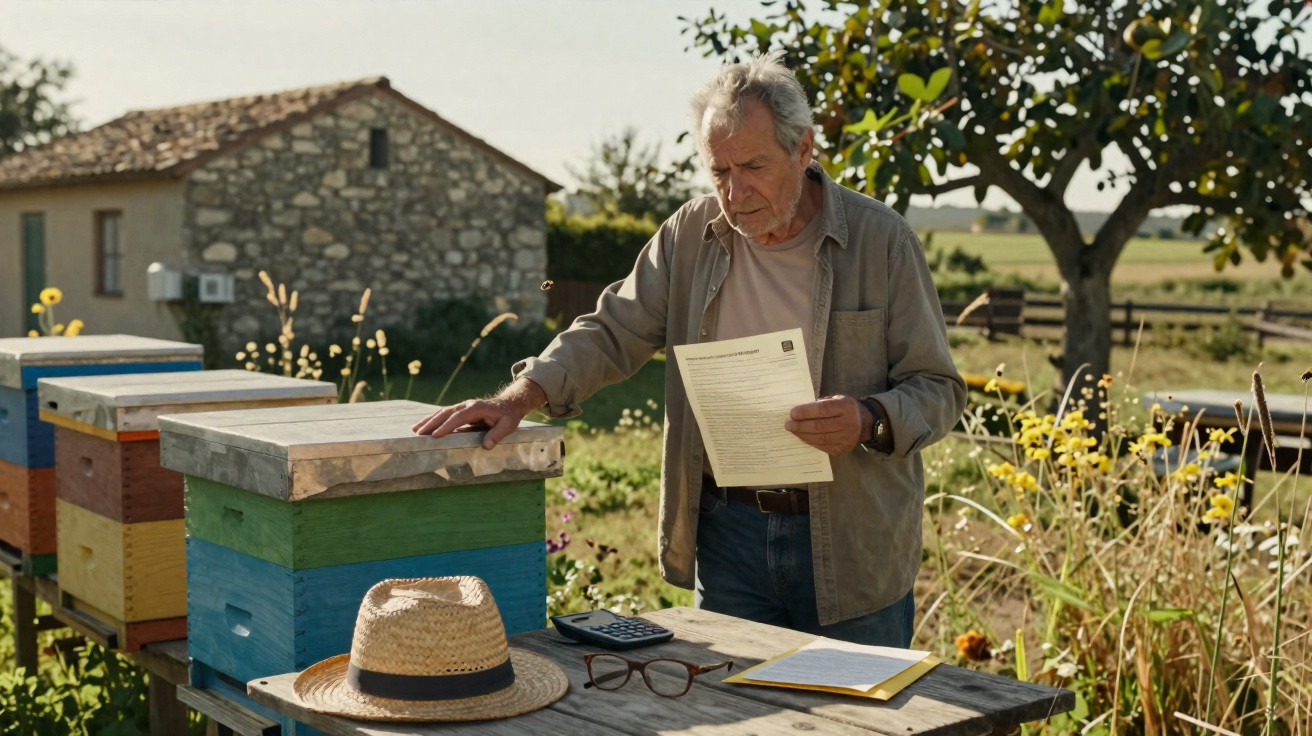
On a warm spring morning in the countryside, Henri believed he was doing a good thing. Newly retired at 68, he had at last agreed to the local beekeeper’s request for somewhere to place a handful of hives. The ground behind his small stone cottage was unused apart from tall grass and dandelions. Why not offer it to the bees and, perhaps, do a little for the planet?
Over coffee at his kitchen table, they drew up a straightforward agreement. Four hives would sit beside the hedgerow. In exchange, Henri would receive several jars of honey and enjoy the soft, constant buzz of wings throughout the summer. It seemed a calm, almost lyrical undertaking: a way to remain useful in retirement without meetings, alarms or Excel spreadsheets.
Several months on, a heavy brown envelope arrived from the tax office. Suddenly, that buzzing no longer felt quite so poetic.
When a good deed is treated as a business
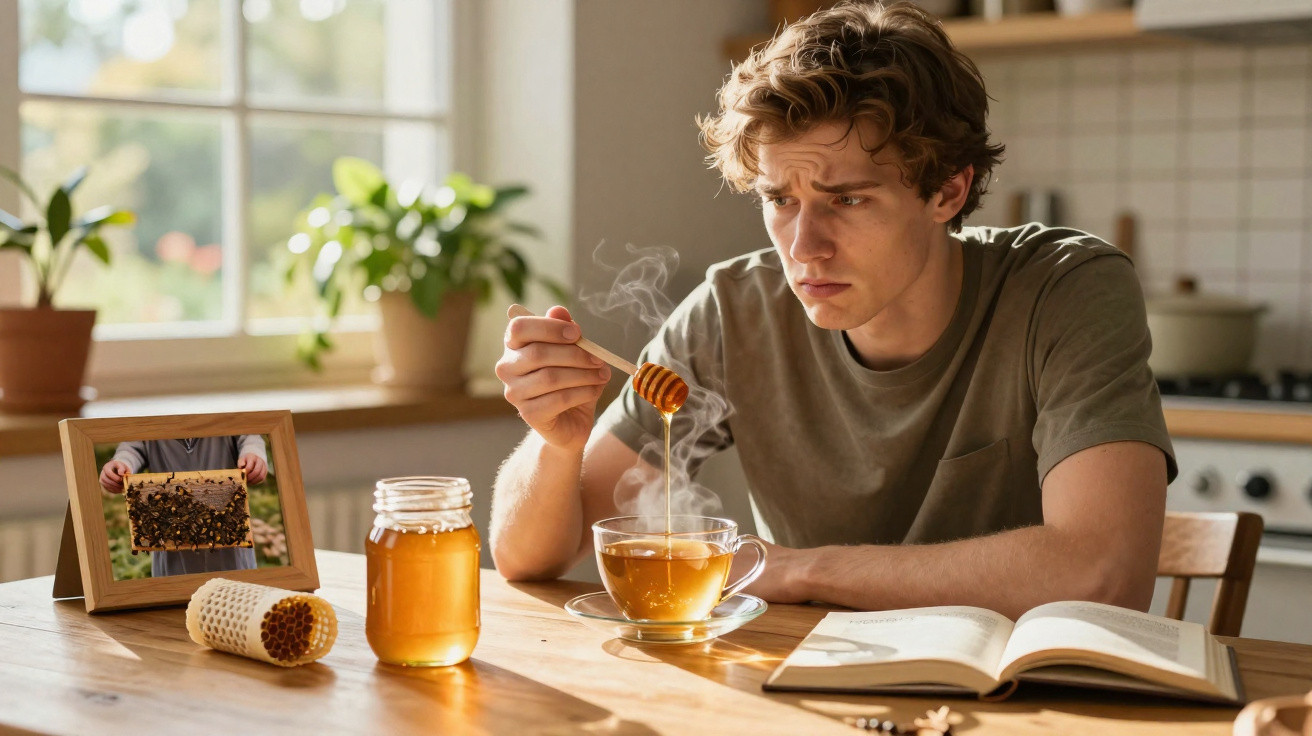
Henri’s first surprise was not the amount printed on the notice, but its wording. “Agricultural activity.” “Land classified as farm use.” “Professional use of property.” He read each phrase three times, convinced it must have been intended for somebody else. All he had done was allow bees onto a piece of unused ground. Yet the authorities now appeared to regard him as a farmer liable for a particular tax.
The letter stated that the installation of beehives meant his land was no longer considered merely “residential” or “recreational”. Instead, it had been placed in another category governed by different tax arrangements. Somewhere, to someone, this may have seemed logical on paper. On Henri’s kitchen table, beside a partly completed crossword and a honey jar bearing his name, it seemed ridiculous.
Cases like Henri’s are becoming more common, if quietly so, in rural and semi-rural communities. Someone lends a strip of land to a neighbour, makes space for a communal vegetable patch or accepts a modest beekeeping scheme, only for the arrangement to prompt a change in land classification. The motive is kind, uncomplicated and sometimes almost innocent. The administrative interpretation is far less so. That is the source of the conflict: a simple act of generosity meeting a system that does not speak the same language.
In one village, a retired couple allowed eight hives to be placed beside their orchard, on the edge of a wheat field. The beekeeper was responsible for everything: putting them in place, maintaining them and collecting the honey. The couple received no payment, only a few jars of fragrant golden honey each year. On Sundays, their grandchildren watched from a safe distance as bees flew in and out, counting those returning with yellow pollen on their legs.
Then the local authority revised its land records using satellite images, site inspections and automated checks. The hives were recorded, and the patch on which they stood was moved into a different category. Later that year, the tax demand rose. At first sight the increase was not enormous, but it was enough to hurt for people living on a pension. No one had told them that accommodating bees might be treated as an “agricultural use of land”.
At the office counter, they explained that they were not farmers, only grandparents fond of pollinators. The employee, helpful but overburdened, indicated the legislation and the classification tables on the computer. On-screen, the matter looked straightforward: agricultural activity meant agricultural tax. In practice, it was much less clear. Who, exactly, counts as a farmer: the landowner, the person who works the ground, or the neighbour who simply agrees to host hives?
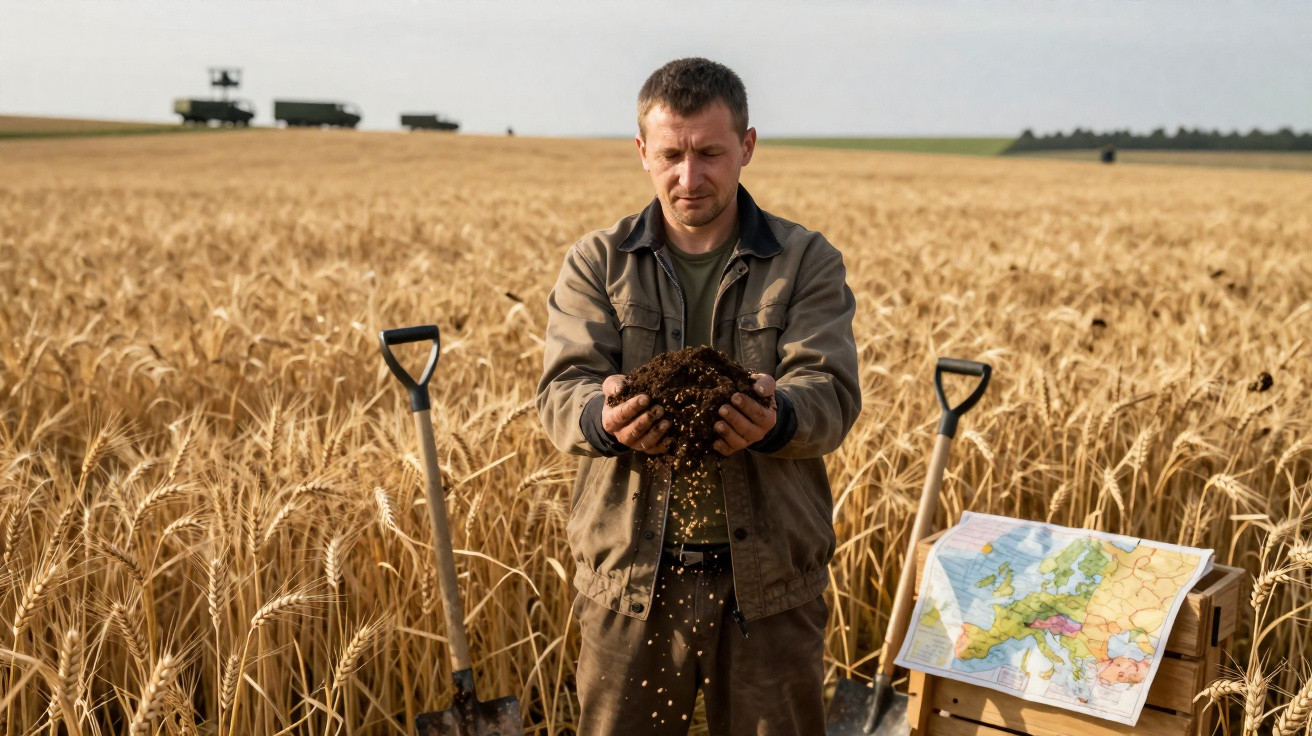
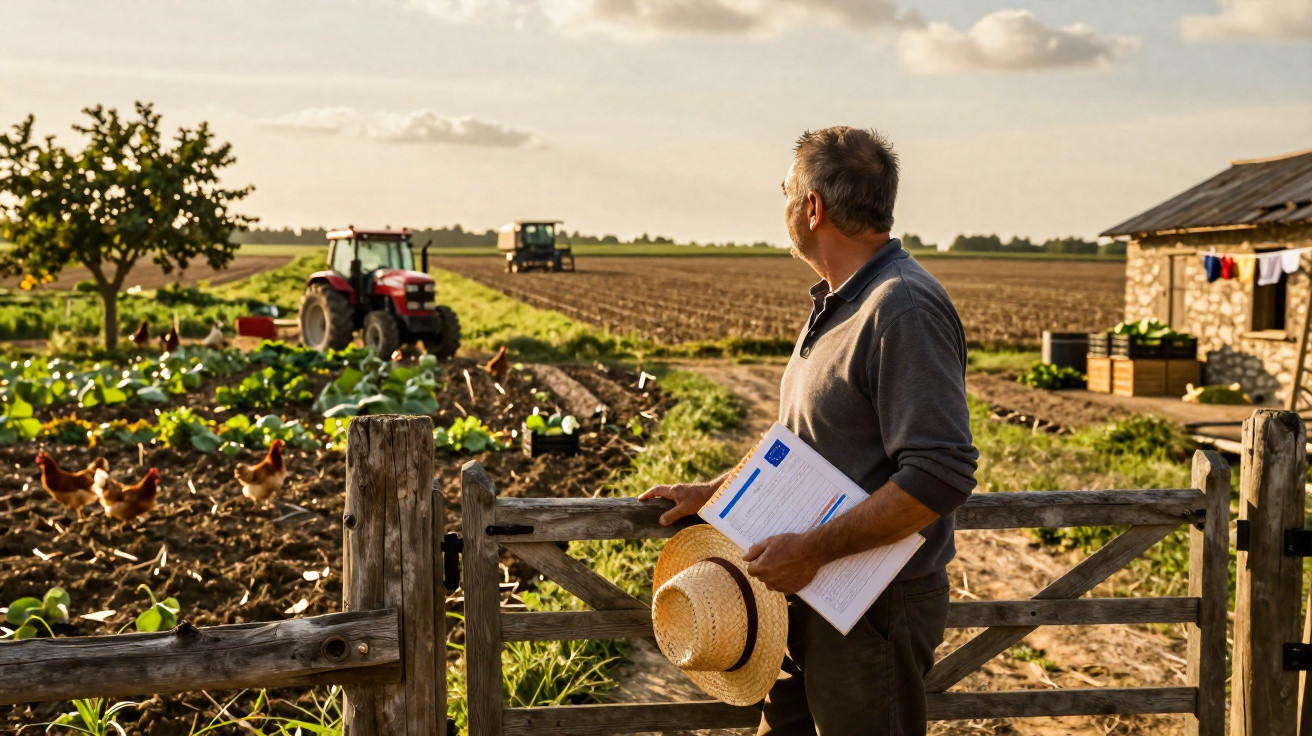
Behind these modest disputes lies a broader, quieter movement: people want idle land to serve a useful, environmentally positive and shared purpose. That may involve beehives, orchards, small vegetable plots, chicken runs or tiny agroforestry schemes. Retirement often creates both time and available space. Many people want to take part, contribute and give their ground a purpose. It feels sensible, particularly while public campaigns repeatedly promote pollinators and biodiversity.
Yet public policy sends conflicting messages. On one side are appeals to protect bees and sow flowers. On the other are tax and planning rules devised for substantial farms rather than four hives beneath a walnut tree. Legislation tends to sort everything into fixed categories: cultivated or uncultivated, agricultural or non-agricultural. Modern reality is considerably more mixed. There are community gardens, hobby beekeepers, environmental volunteers and retired neighbours who merely say, “Sure, use my field.”
The gap becomes obvious when the brown envelope drops through the letterbox. To the tax system, such places are assets that must be classified and taxed. To those using them, they are spaces for goodwill, small experiments and ecological gestures. Somewhere between those two worlds, the good deed gets lost and starts to cost money.
How to host beehives or crops without unpleasant tax surprises
There is a way to stop a kind gesture becoming a financial burden: approach it as a proper project from the outset rather than a casual favour. Before allowing hives onto your land, contact your local council or tax office and put a specific question to them: “If I host beehives here, will that change the classification of my land?” Ask the same question by email as well, then keep their written reply.
You might also speak with the beekeeper or gardener about siting the hives or crops on a parcel already designated as agricultural land, if one is available nearby. In certain places, informal arrangements or very short leases can prevent a reclassification from being triggered. A basic plan of your land that clearly marks the intended hive location may help officials understand that the activity is small-scale and non-professional. It does mean some paperwork, certainly, but that is far less stressful than ringing the tax office once a bill has arrived.
A frequent misunderstanding is that no payment means no issue. Tax rules do not necessarily work that way. Use counts as much as profit. Another risk is assuming that an arrangement must be permitted because “everyone in the village does it”. Regulations can change. A new land inspection or satellite update can suddenly make the official database reflect a different picture from the one on the ground.
In truth, hardly anyone studies the zoning map for their property line by line. Most retired people discover such details when selling, building or altering something, rather than when offering a corner of land to bees. If you already accommodate hives, it remains worthwhile to check your current land category. Request a copy of the cadastral plan and compare the tax descriptions from this year and last year. Spending a quiet half-hour with these papers could uncover details that prevent more serious difficulties later.
“People want to help bees, but the tax system was not designed for these tiny, generous projects,” sighs Marc, a beekeeper who manages twenty hives on borrowed land. “I always tell landowners: before I bring a single hive, talk to your town hall. It’s not romantic, but it avoids broken trust later.”
He has learned to anticipate the problems that can arise when goodwill meets official procedures. For each new host site, his checklist now contains:
- A brief written agreement clearly confirming that the landowner is not carrying out professional farming activity
- A quick review of local rules on land classification and of any thresholds that could bring about tax changes
- An annual check of the paperwork if the number of hives changes or the land is put to a different use
When generosity meets bureaucracy, what kind of society do we want?
The tale of a retiree facing a farmer’s tax after hosting a few beehives is more than an unusual headline. It poses a deeper question about how small-scale, local environmental actions are treated. People are encouraged to “do their part”, plant trees, protect pollinators and lend land. Yet, at the first administrative reclassification, they may be handled as micro-business owners in a system they never intended to enter.
Some people will withdraw. They may ask the beekeeper to take away the hives or stop making land available for local projects. Others will challenge the decision, submit appeals and seek exemptions. Between these responses is a quieter option: discuss matters, prepare in advance and raise questions early. Ask your mayor whether the council could back a defined status for the “solidarity hosting” of ecological projects. Ask elected representatives why the same tax approach should cover both 200 hectares of intensive farming and four hives behind a hedge.
What do we actually want at the edges of our homes, in small patches of ground that no large business will ever use? Bare grass, or living projects involving bees, gardens and shared orchards? No single form or legal clause will provide the answer. It will emerge from thousands of conversations like the one Henri is now having with his neighbours: “If I’d known, I would have asked questions first. But I still don’t regret helping the bees.” The buzzing continues. The issue is whether we decide to silence it or learn to live with it.
| Key point | Detail | Value for the reader |
|---|---|---|
| Check land status early | Ask the local council or tax office whether hosting hives or crops will alter your land classification | Avoid unexpected tax rises associated with “agricultural use” |
| Put agreements in writing | Create a simple document with the beekeeper or gardener confirming the non-professional nature of the use | Provide clear evidence if the authorities query your circumstances |
| Review documents regularly | Compare cadastral and tax descriptions year on year | Identify a reclassification before it affects your budget |




Comments
No comments yet. Be the first to comment!
Leave a Comment