Anyone who drives it away harms themselves.
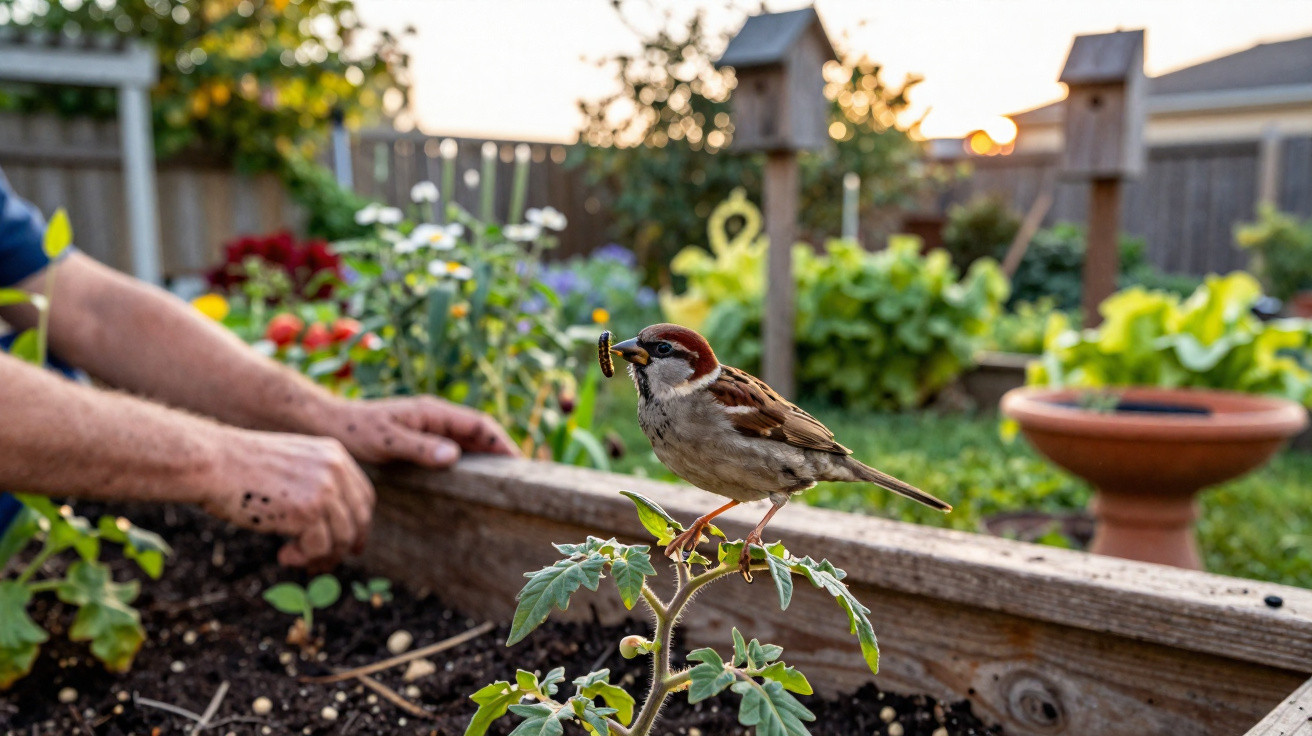
While everyone watches robins and tits, a small grey-brown bird darts through the flower beds almost unnoticed. The Ligue pour la protection des oiseaux (LPO) is now making its position clear: this supposed “seed thief” is in fact a valuable ally for the garden, vegetable patch and biodiversity – and deserves far greater respect.
A bird with a bad reputation
The house sparrow, the familiar everyday sparrow, was long regarded as a pest in agriculture. It ate grain, helped itself to seed and was often ruthlessly controlled. That perception still persists in many minds today, including among private gardeners.
The LPO firmly disagrees: labelling it “useless” or “harmful” is mainly the result of an economic viewpoint. Those who look only at yield per square metre can easily miss the contribution an animal makes to the wider system.
The sparrow does not merely eat seeds – it works as a free pest controller and a stabilising force in wildlife-friendly gardens.
In a balanced ecosystem, individual animal species rarely become so unchecked that they cause major damage. Difficulties mainly arise where people intervene heavily: monocultures, pesticides, sealed surfaces and sterile gravel gardens. In these landscapes, sparrows lose nesting sites, food sources and cover – and gradually disappear.
A faithful companion to people
The house sparrow has lived alongside people for centuries. It settles in villages, towns and allotments, making use of gaps in roofs, hedges, climbing plants and sheds. For this reason, the LPO often calls it a “regular companion of people”.
In the garden, sparrows fulfil two roles: they do eat seeds, certainly. Yet they also hunt insects and their larvae, particularly while rearing their young. This is precisely what makes them a quiet ally against pests for amateur gardeners.
How sparrows keep pests in check
When chicks are waiting in the nest, seed food alone is not enough. They need protein. Sparrow parents then collect large quantities of insect larvae and small insects – exactly the creatures we usually want to remove from the garden.
- Caterpillars of cabbage white butterflies on cabbage and broccoli
- Aphids on roses, fruit trees and beans
- Larvae of various beetles that feed on roots and leaves
- Spiders and small insects hiding among perennials and shrubs
The LPO stresses that, like many other songbirds, sparrows keep insect populations in the garden within “acceptable limits”. No insect disappears altogether, but numbers fall to a level that plants can cope with well.
Anyone who chases away sparrows gives up a dependable, natural ally against insect infestations – and often turns to chemical products more quickly.
Why sparrows should remain in the garden
Many garden owners see only what the bird takes from them: a few grains and a little seed. The LPO points out that the benefit to the overall ecosystem is considerably greater than this small loss from the plot.
Sparrows help to stabilise the garden. They form part of a web of birds, insects, spiders, small mammals and plants. When one species drops out, others can become unbalanced. Individual insect species may then multiply explosively.
| Aspect | Without sparrows | With sparrows |
|---|---|---|
| Insect populations | major fluctuations, sometimes population explosions | reduced peaks, generally stable populations |
| Plant health | more feeding damage, greater use of sprays | less damage, more resilient plants |
| Biodiversity | a one-sided community, vulnerable to disruption | a wide range of species, a more resilient garden |
A worrying pattern is especially evident in cities and suburbs: house sparrow numbers are declining markedly in some regions. Sealed ground, mirrored façades, a lack of nesting places and “tidy” yet lifeless gardens are putting them under considerable pressure. The LPO therefore no longer regards the bird as a given.
How anyone can make their garden sparrow-friendly
Anyone wishing to keep sparrows in the garden or encourage their return does not need to create a large nature reserve. Small changes are enough to make life easier for them.
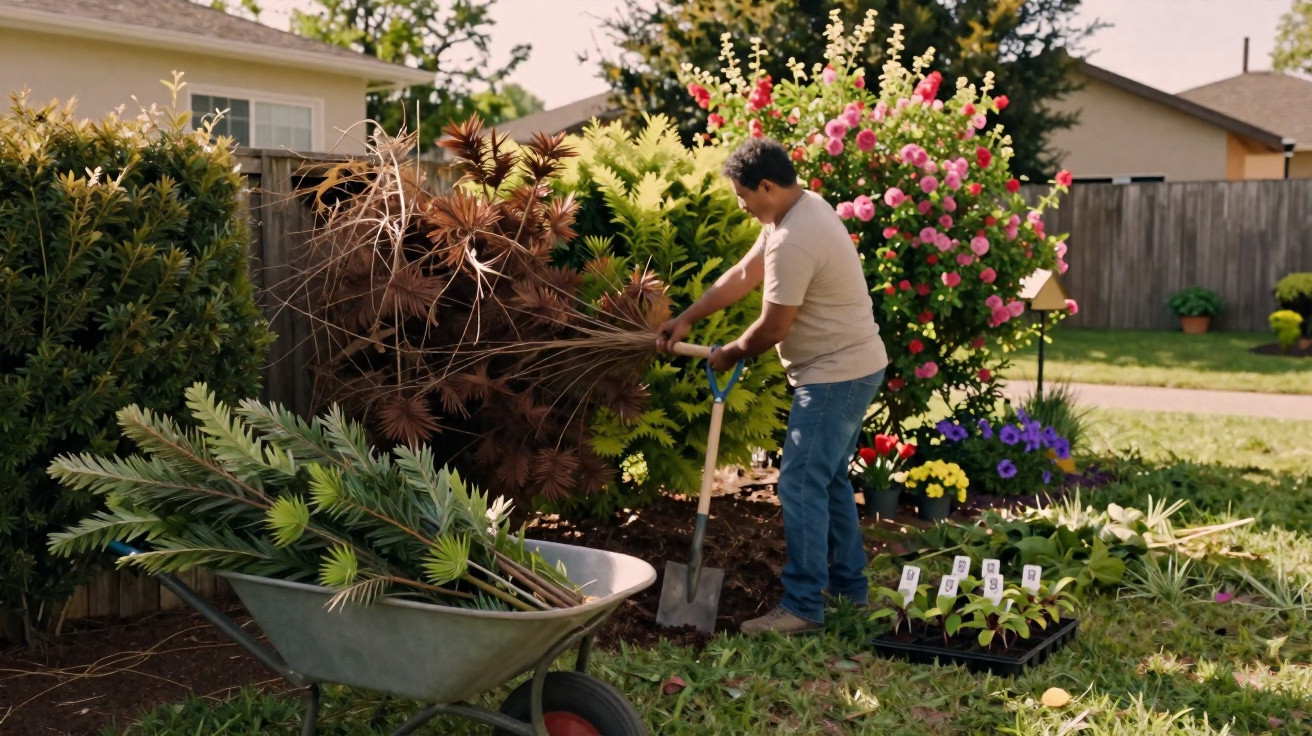
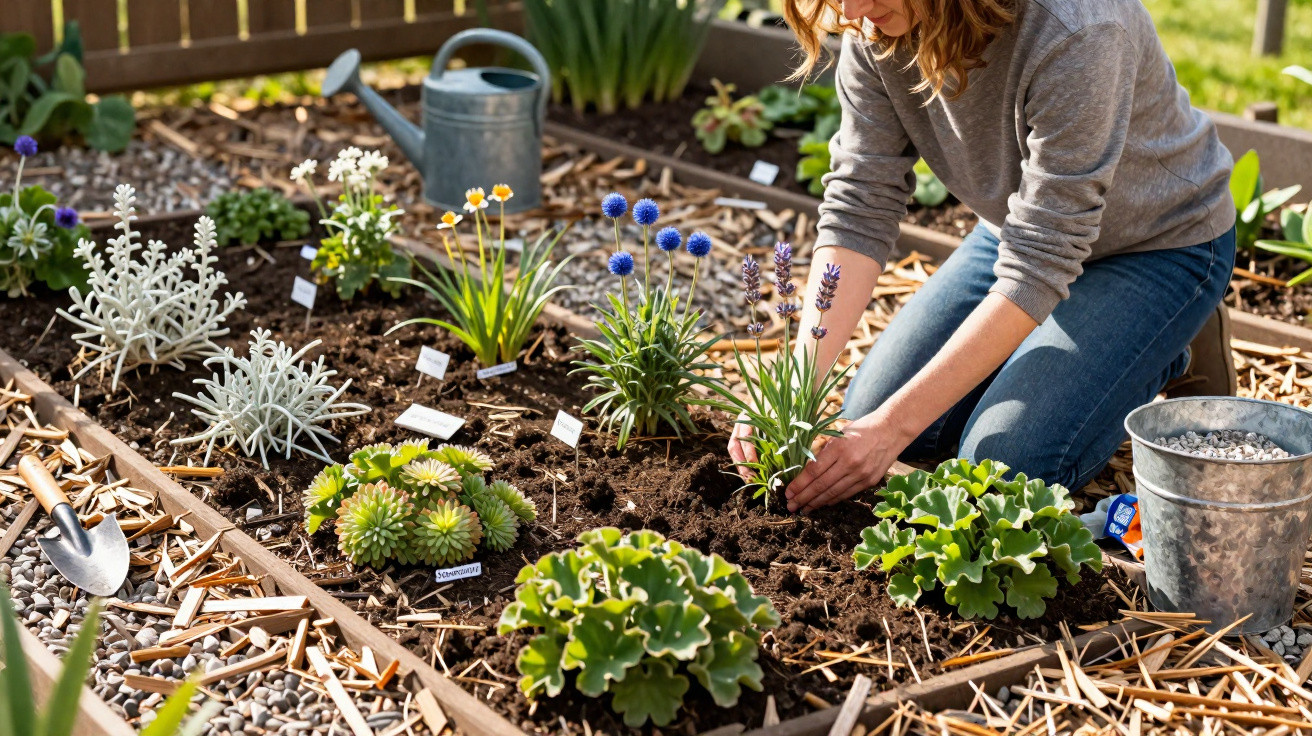
Structure instead of a stone desert
Sparrows favour dense hedges, climbing plants on walls and tucked-away corners. A completely “tidied” garden with gravel areas, closely mown lawn and decorative stones is like a desert to them.
- Plant a mixed hedge of native shrubs
- Allow climbing plants such as ivy, Virginia creeper or climbing roses to grow
- Leave at least one corner slightly “wild”, with nettles or grasses
Even a small, dense shrub can provide a refuge. Leaving autumn leaves beneath shrubs also encourages insects – and in turn supplies food for sparrows.
Providing food and water wisely
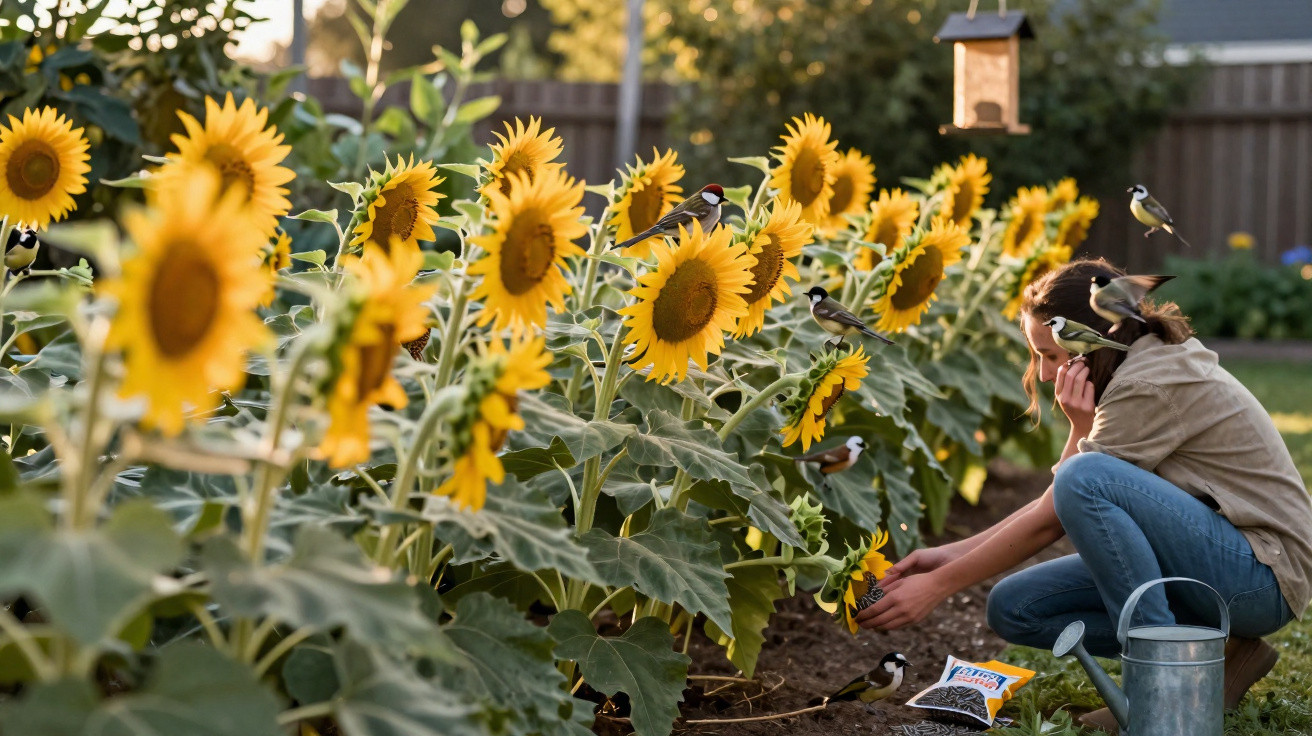
During the breeding season, sparrows benefit from varied garden structures rather than necessarily needing additional feeders. Feeding throughout the year can help, but it should be done thoughtfully.
- In winter: seed mixes containing millet, oats and sunflower seeds
- In summer: insect-friendly flowering plants instead of feeders
- All year round: a shallow bird bath with fresh water every day
A water source serves not only sparrows but also other songbirds, hedgehogs and insects. It can make a garden significantly more attractive within a small space.
Creating nesting opportunities
Many modern buildings now offer hardly any gaps or crevices. Old roof tiles, cracks in masonry and open roof spaces are disappearing. Sparrows therefore find breeding sites less often.
Straightforward measures can help here:
- Put up nest boxes designed specifically for sparrows, ideally in small groups
- Do not completely seal roof overhangs and façades where it is safely possible
- Avoid drastically cutting back hedges in the middle of the breeding season
Anyone who tolerates sparrows in the garden also creates habitat for other bird species almost incidentally – a domino effect for greater diversity.
What gardeners gain in practical terms
Many amateur gardeners ask themselves: is it really worthwhile for me? The answer often becomes apparent only after a season. A garden with thriving bird populations generally needs fewer chemical products because predators are helping from the outset.
A typical situation is this: in spring, the first aphids crawl over young shoots. Rather than spraying immediately, gardeners rely on beneficial creatures. Ladybirds, lacewings and, indeed, sparrows keep aphid numbers noticeably under control. The plants still produce well, while the ecological balance remains intact.
In the vegetable garden, sparrows often choose caterpillars and insect larvae for the sake of their chicks. A few pecked grains in the bed barely matter, especially as losses can be limited with simple measures such as protective netting over freshly sown areas.
Risks, limits and sensible combinations
Naturally, sparrows do not solve every garden problem. In very small balcony beds, flocks of birds may substantially reduce freshly sown seeds. A fine-mesh net for the first few days will help.
Nor can insect damage be prevented entirely. A living garden always involves a certain amount of feeding damage. The advantage is that no single species can spread unchecked, because several predators are involved: birds, bats, ground beetles and wasps.
It is particularly effective when several measures are combined:
- Sparrows, tits and robins as insect hunters
- Insect-friendly flowers for wild bees and hoverflies
- Avoiding synthetic pesticides so that food chains are not interrupted
This creates a resilient garden that copes better with heatwaves, new pests or fungal diseases. Sparrows are one component among many – but one that is easy to support once they are no longer seen as a nuisance.
Anyone who watches sparrow behaviour over the course of a season soon understands why conservation organisations call them “allies” in the garden. They bustle about, dust-bathe, squabble noisily and carry food – while quietly ensuring that roses, fruit trees and vegetables suffer less. It is this unremarkable daily activity that makes them so valuable.












Comments
No comments yet. Be the first to comment!
Leave a Comment