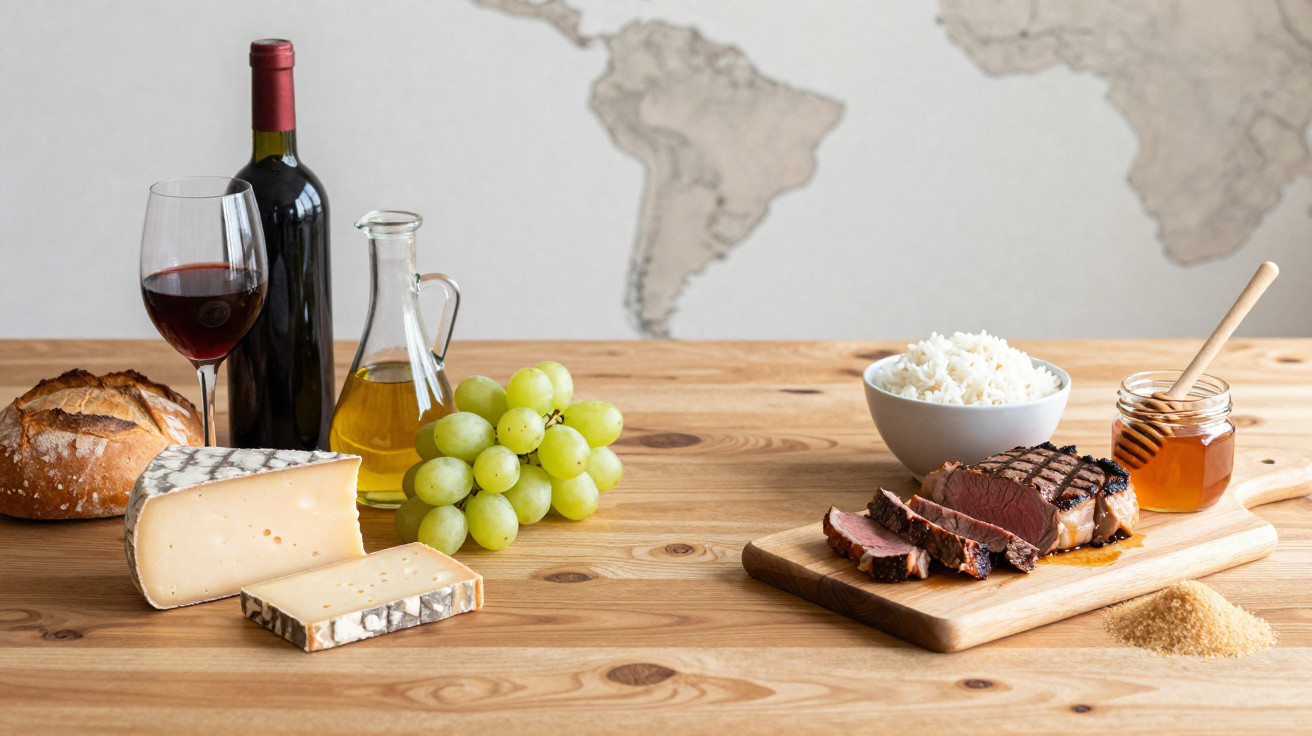
A trade deal negotiated for decades is poised to quietly reshape what reaches Europeans’ plates – and where it comes from.
The free trade agreement between the European Union and Mercosur is moving forward after years of political deadlock and intense pressure from every side. Beyond the diplomatic rhetoric, it directly affects meat, wine, dairy products, sugar and other goods sold in European and South American supermarkets.
What is at stake in the EU–Mercosur agreement
The EU has been negotiating with Brazil, Argentina, Paraguay, Uruguay and Bolivia for around 25 years. Combined, the two blocs represent roughly 780 million consumers and hold a prominent place in global GDP. This is no ordinary deal: it is one of the largest trade packages ever put together by Brussels.
In January, most European countries voted in favour of the treaty, despite opposition from France, Austria, Ireland, Poland and Hungary. The formal signing is expected to be carried out by the President of the European Commission and Mercosur representatives at a meeting in Paraguay.
More than 90% of import tariffs between the EU and Mercosur are expected to be gradually reduced or removed, creating room for a far larger flow of food products.
Although the tariff cuts cover several industrial sectors, agriculture is where the consequences come closest to households, whether through final prices or the origin of products.
Why farmers are protesting against the treaty
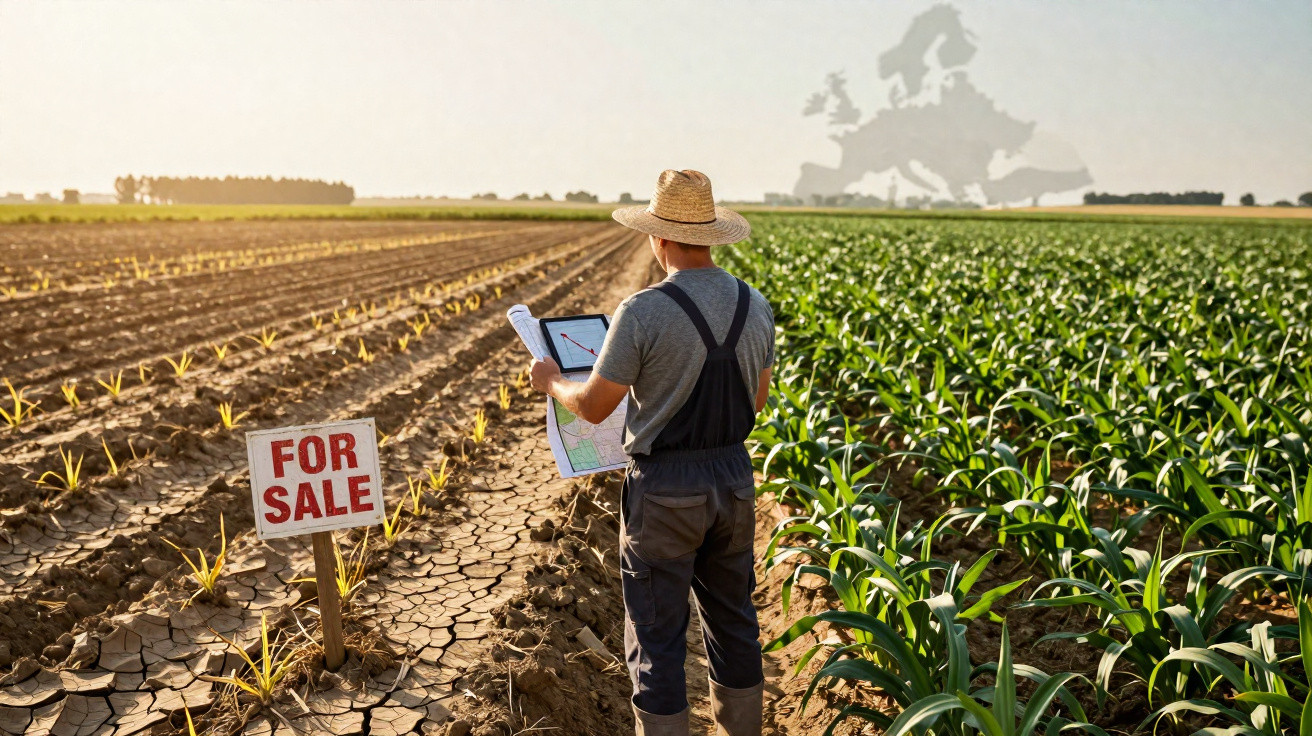
In France, farming unions have been blocking roads and demonstrating at agricultural fairs to denounce the agreement. Opinion polls suggest that around 70% of French people oppose the trade package. Their main concern is unfair competition from South American agricultural products, considered cheaper because of lower labour costs and different environmental rules.
For part of Europe’s agricultural sector, the danger is falling rural incomes and an even greater concentration of trade among large exporting groups. Supporters of the agreement, meanwhile, argue that a larger market could support more integrated value chains, while also creating opportunities for European wine, dairy and processed-food producers.
Which European foods could gain ground in Mercosur
The tariff reductions do not apply only to tropical products arriving in Europe. Many European food products will gain easier access to South American countries. Examples include:
- Wines and sparkling wines made in France, Italy, Spain and Portugal
- Olive oils, particularly from Spain and Italy
- Dairy products such as cheese, butter and milk powder
- European chocolate and confectionery products
For these industries, the agreement could open up new markets and increase export volumes, as import tariffs in Mercosur countries are expected to fall progressively.
Protection for products carrying an origin label
Another sensitive issue is the protection of foods and drinks bearing quality labels, such as PDO (protected designation of origin) and PGI (protected geographical indication). The treaty provides for these names to be safeguarded across Mercosur.
Cheeses, wines, meats and other traditional European products will have their names officially protected in parts of South America, preventing imitations from using the same designation.
The list includes, among others:
| Category | Protected examples |
|---|---|
| Cheeses | Comté, Gruyère, Roquefort |
| Wines and spirits | Champagne, Chablis, Guadeloupe rum |
| Seafood products | Marennes-Oléron oysters |
| Fruit and grains | Agen prunes, Camargue rice |
| Meats and cured meats | Boeuf de Charolles, Bayonne ham |
This mechanism prevents, for example, a producer outside Europe from selling sparkling wine under the name “Champagne” or cheese as “Roquefort” without complying with the origin rules of those regions.
Meat, sugar, rice and honey: Mercosur products receiving quotas
On the South American side, the most controversial section concerns newly authorised volumes of agricultural exports to the European market. The agreement sets specific annual quotas for certain products, usually with reduced or zero tariffs up to a defined limit.
The figures most often cited are:
- 99,000 tonnes of beef per year
- 180,000 tonnes of poultry meat
- 180,000 tonnes of sugar
- 60,000 tonnes of rice
- 45,000 tonnes of honey
These quotas operate as a “preferential corridor” for part of Mercosur countries’ production, allowing it to enter the EU at lower costs than those faced by other external competitors.
For beef and poultry, competition is direct with European producers, particularly in France, Ireland and eastern European countries. For sugar, rice and honey, the effect is likely to be concentrated in particular niches and in industries using these raw materials, including drinks, confectionery and ready-made food.
Wine-growing, olive oil and dairy: benefits and uncertainty
Among European industries, three are seen as potential beneficiaries of the agreement: wine, olive oil and dairy products. As tariffs fall, Spanish, Italian, Portuguese and French producers could become more competitive in Mercosur’s urban markets, where middle-class consumers are increasingly buying products associated with a “European style”.
However, farming unions warn that some of these benefits could be concentrated among large exporting companies, while small farms remain under pressure from environmental and labour costs that are higher than those faced by competitors outside the EU.
The possible impact on Brazilian consumers
Although the debate is centred on Europe, Brazil could also see effects in everyday life. Depending on how the agreement is applied, Brazilian supermarkets may stock more European labels in their wine, cheese and chocolate aisles.
This could result in:
- A wider range of imported goods, especially mid-sized brands that currently have little presence
- Competitive pressure on South American wines, fine cheeses and olive oils
- Possible price reductions in some categories, if lower tariffs are passed on to consumers
At the same time, Brazil’s meat, sugar and grain industries are likely to be among the leading candidates to use the EU export quotas, reinforcing the country’s role as a supplier of agricultural commodities.
Terms that help explain the debate
Certain concepts frequently arise in discussions of the agreement and directly shape the scale of these changes.
What exactly is an import quota?
A quota is a volume limit that can enter a particular market on special terms, such as a zero or reduced tariff. In the case of beef, for example, up to 99,000 tonnes per year would receive this preferential access. Above that level, the product could still be exported, but would once again face higher tariffs.
In practice, those able to fill these quotas first gain a significant competitive advantage over other exporters.
How geographical indication protection works
Geographical indications are labels awarded to products whose particular characteristics depend heavily on their territory, including its climate, soil or traditional production methods. When a trade agreement recognises these labels, partner countries undertake to respect the name and restrict its use.
This matters to European producers, but it can also provide a reference point for Brazilian regions seeking to add value to speciality coffees, cachaça, artisanal cheeses and fruit from specific areas, which may seek similar agreements in future negotiations.
Possible scenarios for the years ahead
If the agreement is fully implemented, one of the most likely trends will be greater regional specialisation: Mercosur areas focusing on meat, grains, sugar and certain processed products; and EU areas strengthening their reputation for higher-value goods, such as wines, cheeses with designations of origin and gourmet foods.
Another possible outcome is stronger environmental requirements linked to compliance with the treaty. European groups already advocate making some tariff benefits conditional on tackling deforestation and respecting labour standards. This could put pressure on South American governments to introduce stricter traceability for products such as beef and soya.
For Brazilian consumers, the issue may appear remote, yet it affects highly practical questions: what will be produced for the domestic market, what will be allocated for export, and which foreign products will begin competing for shelf space with domestic goods.










Comments
No comments yet. Be the first to comment!
Leave a Comment