You water, weed and add fertiliser when the packet tells you to. Yet the soil still feels… lifeless. Gardeners with decades of experience repeat the same caution: the issue is not what you add, but what you do to the soil itself. One almost automatic habit is quietly removing the very nutrients you are trying to build up in your beds. Oddly, most of us were taught that this was the proper way to garden.
A single poor habit can ruin the work of an entire season.
The soil practice many gardeners regret
On a cold March morning, I watched an elderly neighbour turn over his vegetable bed as though flipping an enormous pancake. In went the spade: a complete turn, large clods broken apart and old roots removed. The soil appeared tidy, “fresh” and almost brand new. He looked pleased, as if the task had been completed properly. A week later, another gardener further down the road did precisely the reverse: she scarcely touched the surface, left the previous year’s leaves where they lay and scattered compost over them like cocoa powder over a cake. Her bed looked untidy, almost careless. By July, the contrast between the two plots was stark.
The flourishing plot was the one tended by the “messy” gardener. Her tomatoes grew on thick stems, beans formed a dense green tangle, and the soil beneath the mulch smelled like woodland after rain. By comparison, the heavily dug bed formed a hard crust after every shower. Water collected on its surface before disappearing too quickly. The lettuce bolted during the first heatwave, and its owner blamed the weather. We have all seen it: the same climate, road and seeds, but one unseen decision about handling soil changes everything. The understated culprit is continual deep digging and double-digging.
Frequently turning over and breaking up the soil exposes organic matter to abrupt surges of oxygen. Microbes become highly active and consume it more quickly, while nutrients that ought to nourish plants gradually burn away into the air. Earthworms are cut up or retreat, fungal networks are broken, and the soil begins to act more like a sterile growing medium than a living sponge. In the first year, you may even notice a modest improvement, making the practice seem “right”. Over successive years, however, the ground loses its crumbly texture and becomes dependent on synthetic inputs. This is why so many seasoned gardeners now avoid intensive soil turning like the plague.
What to do instead for nutrient-rich soil
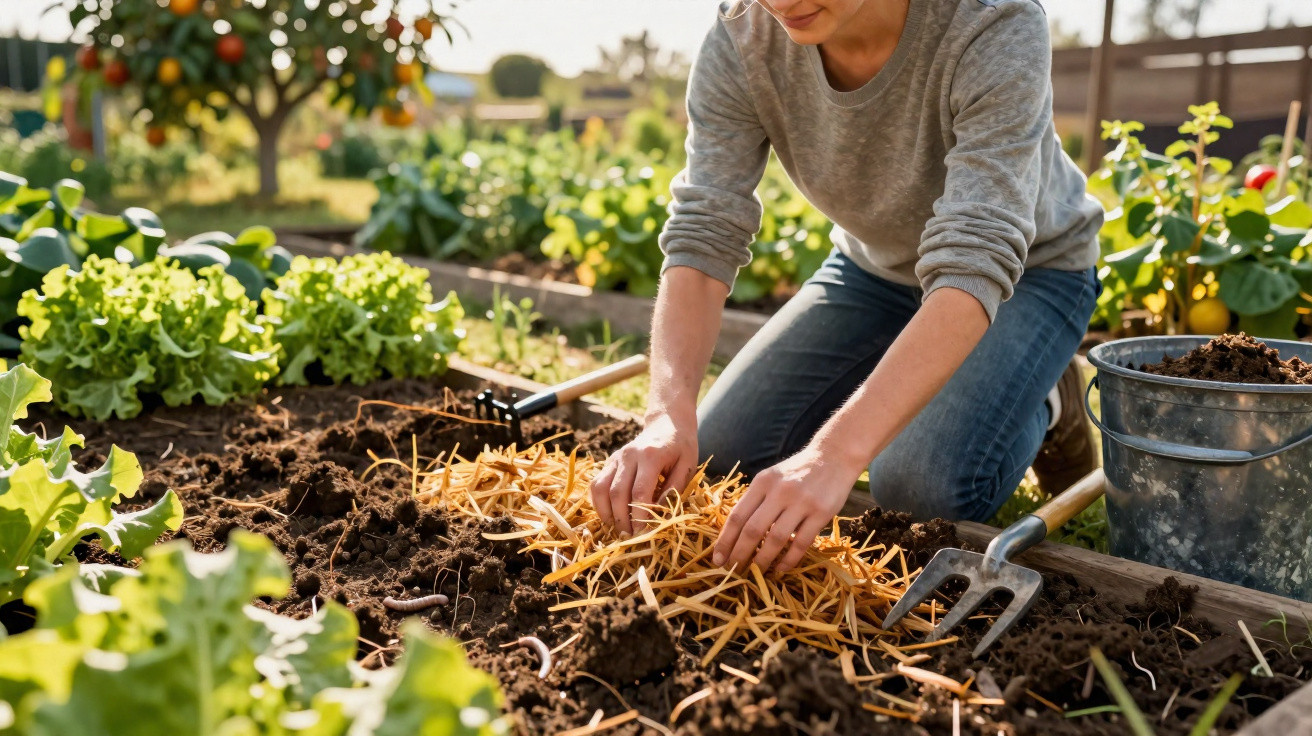
The alternative is not to leave everything untouched. Instead, replace drastic digging with gentle layering and disturbance limited to the surface. Think of soil as a lasagne rather than a smoothie. Put compost, shredded leaves, grass cuttings or well-rotted manure on top, then allow the organisms in the soil to draw it down for you. A garden fork pushed into the ground and gently wiggled, without turning the soil over, can relieve compaction while largely preserving its layers. This “no-dig” or “minimal dig” method protects the unobtrusive work of fungi and bacteria, which gradually exchange nutrients with plant roots.
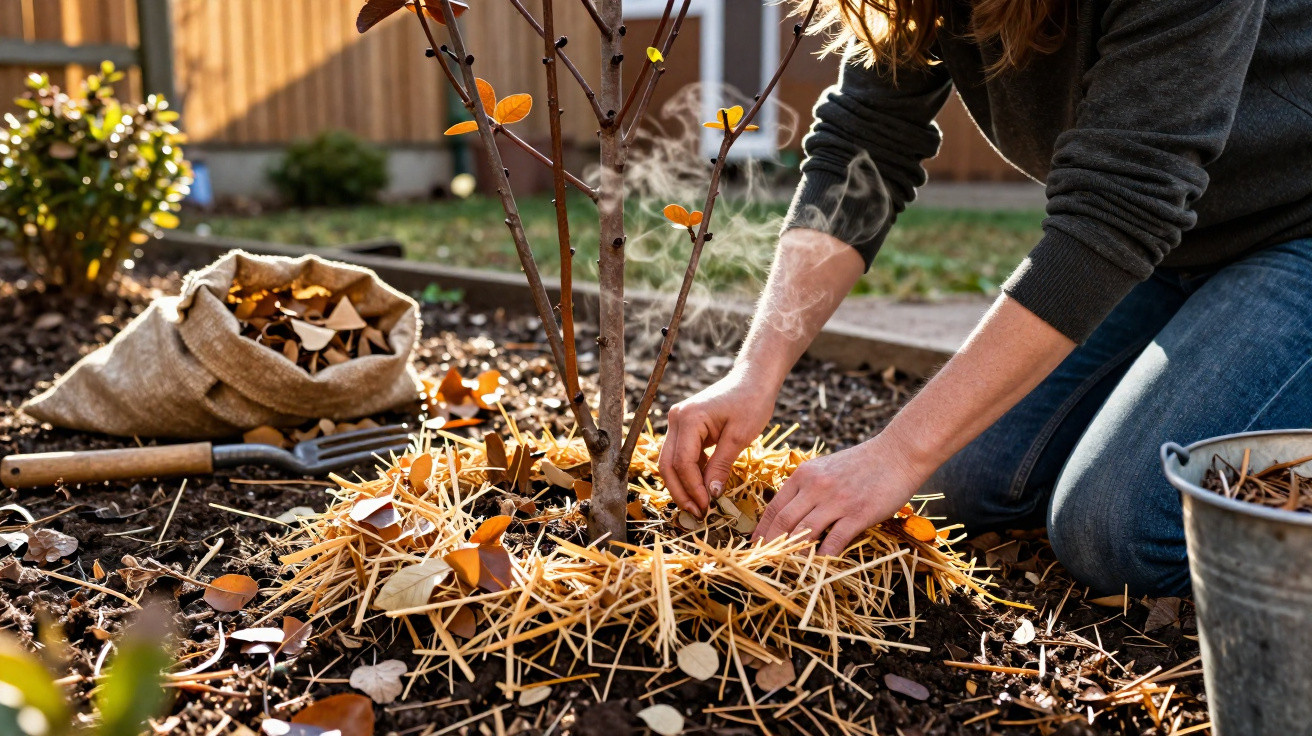
Mulch is your strongest ally when making this change. A 5–8 cm layer of organic matter protects soil from sun and heavy rain, prevents nutrients from being washed away and gives roots a stable microclimate. There is no need for expensive materials: last autumn’s leaves, straw and even partly decomposed compost can be remarkably effective. Let’s be honest: nobody really does this every day. Refresh the mulch as it becomes thin, perhaps once or twice during the season, and allow gravity and earthworms to work for free. The aim is not for soil to look “clean”, but for it to feel alive.
Many gardeners return to deep digging because bare earth looks neat and traditional advice is difficult to disregard. There is also a strong urge to “solve” every issue with one major annual turning: weeds? Turn it. Compaction? Turn it. A disappointing harvest? Turn it. But the more you turn the soil, the more nutrients you lose. As one long-time organic grower told me, “soil doesn’t need discipline, it needs protection.” The essential change in thinking is to recognise that a rough, mulched surface is not laziness; it is a strategy.
How to protect soil nutrients day after day
The easiest way to retain nutrients is to ensure soil remains covered throughout the year. Once you have harvested, do not leave beds exposed. Sow a fast cover crop such as clover, phacelia or rye, or simply apply a light layer of organic mulch. This protective cover catches falling leaves, softens the force of rainfall and prevents precious nitrogen and carbon from blowing or washing away. In spring, cut the cover crop at ground level and leave its roots to rot where they are, feeding soil organisms like a slow-release fertiliser.
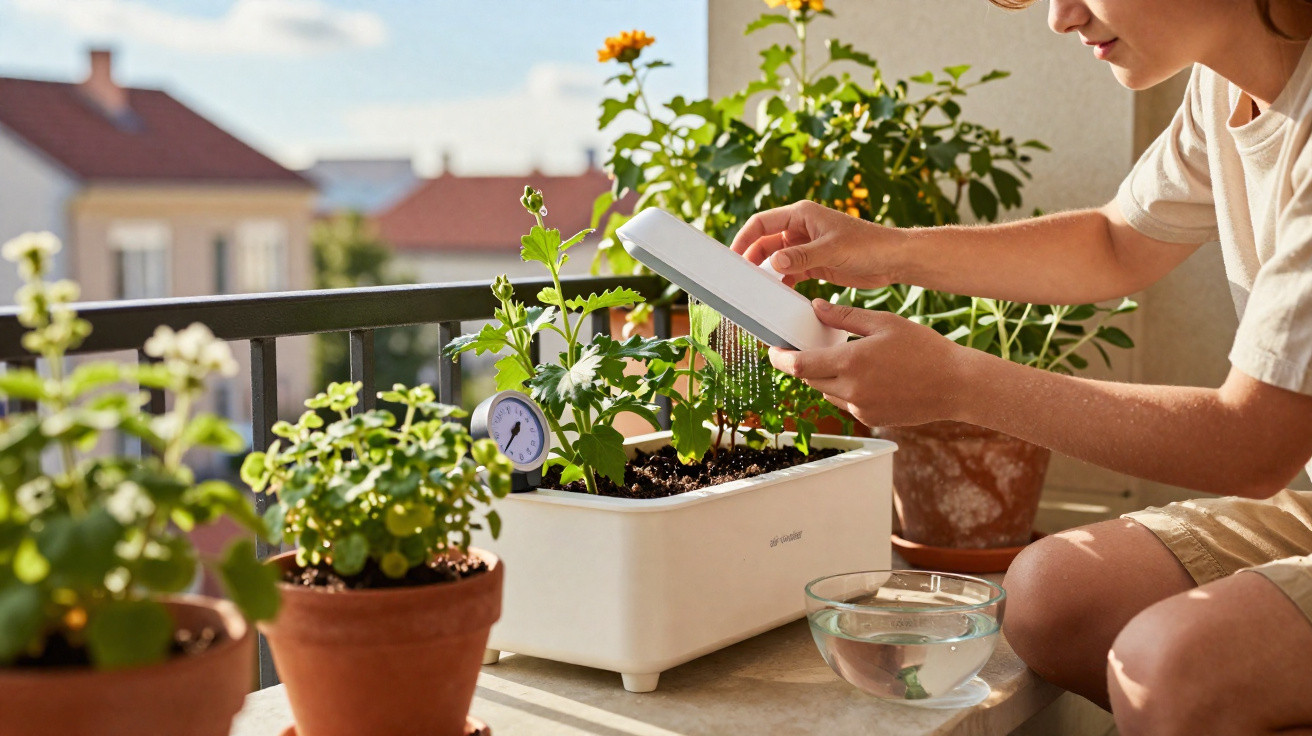
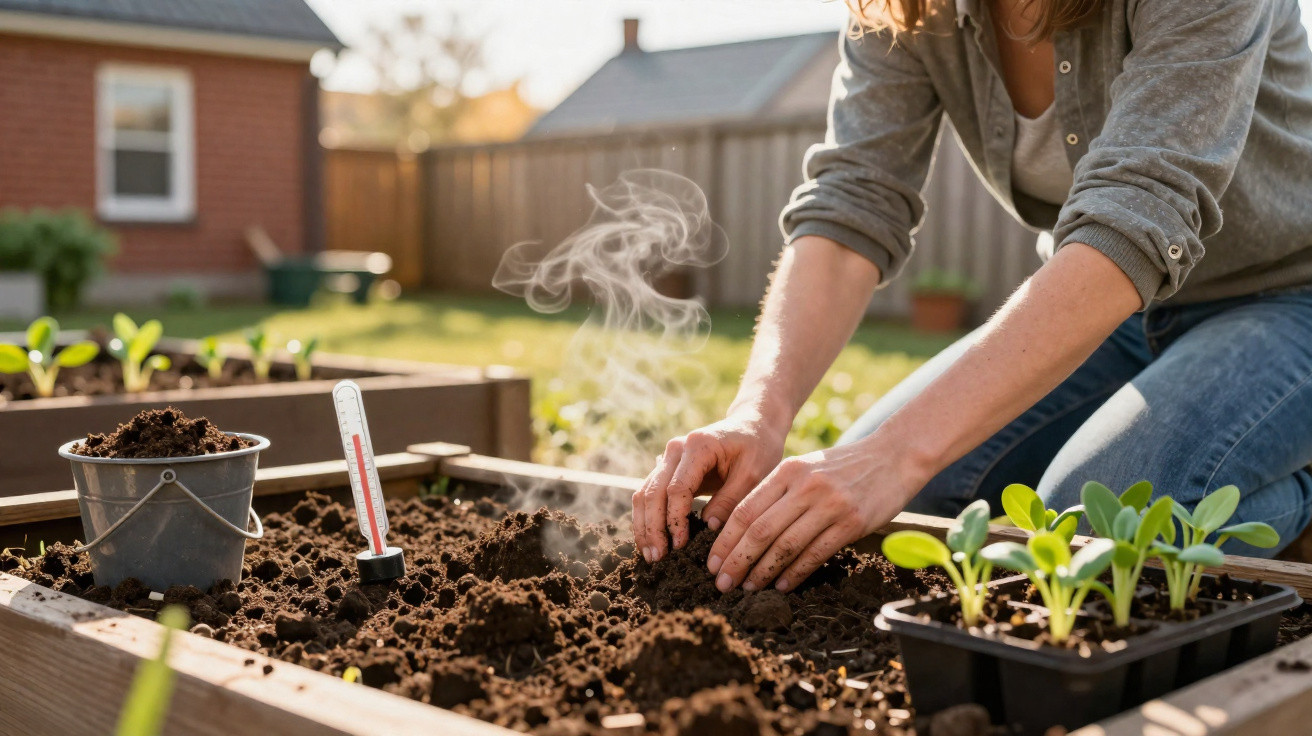
Another useful practice is to disturb only the top 2–3 cm when weeding or planting. A narrow hoe, hand fork or even your fingers can create enough room for seedlings. This is surprisingly quick in a small balcony planter or raised bed. On a larger plot, you can tackle one bed each week and still keep the work manageable. On a shelf in one gardener’s shed, I noticed a heavy spade slowly rusting while light hand tools sat within easy reach. His soil was dark, rich and almost springy beneath your feet. That neglected spade said it all.
Many readers admit that they still rake up every fallen leaf “to keep things neat”. This is one of the most frequent ways nutrients escape. Another is excessive cultivation with motorised tillers each spring simply because the machine is available. If you have done this, you are not alone; we have all followed habits that we later reassess. On a difficult day, a bare bed that has been over-tilled can feel like an accusation. On a better day, it is simply another opportunity to change course next season.
“When I stopped tilling, I stopped chasing problems,” says Claire, a market gardener who switched to no-dig six years ago. “My fertilizer bill dropped, but the real surprise was the flavor. The carrots started tasting like they remembered how to be carrots.”
- Skip the deep dig: Use a fork to loosen soil without turning it, protecting the layers already in place.
- Cover the ground: Apply mulch or grow cover crops so nutrients remain where plant roots can access them.
- Feed from above: Spread 2–3 cm of compost over the surface each year instead of mixing it in deeply.
- Watch the worms: seeing more earthworms over time generally shows that your nutrient cycle is recovering.
A living soil keeps giving back
When you stop treating the soil roughly with heavy digging, small but reassuring changes become apparent. Dew remains longer on mulched beds. Birds scratch where they detect grubs and larvae rather than in sterile dust. Plants appear less troubled on hot days, even when watering has been delayed slightly. You start to interpret the ground as a living condition rather than merely a surface. On a peaceful evening, you may lift the edge of the mulch and feel the cool, damp layer beneath your fingers, like checking a child’s forehead after a fever has passed.
We often imagine gardening as a fight against weeds, pests and weather. The real shift happens when you understand that the soil is not an enemy but your only genuine ally. Avoiding relentless digging and keeping organic matter on the surface is less a fashion than a form of truce. The ground answers with larger earthworms, more consistent moisture and crops requiring fewer emergency interventions. In a poor year, living soil softens the setbacks; in a good year, it makes abundance feel normal.
In practical terms, this approach also saves time and effort. You spend less of spring bent over a spade and more of summer harvesting, tasting and sharing. The beds no longer require a dramatic reset every season; they develop quietly. Some gardeners even say that standing in a no-dig plot makes them feel calmer, as though the pressure to “do more” has finally lifted. Perhaps that is the real secret beneath a straightforward layer of mulch: not only nutrients kept in place, but a kinder way to garden and to breathe.
| Key point | Details | Why it matters to readers |
|---|---|---|
| Avoid deep digging and rototilling | Repeatedly turning soil 20–30 cm deep breaks down organic matter too quickly, disrupts fungi and earthworms, and exposes nutrients to leaching and gas loss. | It helps you retain more natural fertility in the bed, reduce fertiliser purchases and stop soil becoming hard and lifeless over time. |
| Keep soil covered year-round | Use mulch (leaves, straw, compost) or cover crops between harvests so rain, sun and wind cannot strip away topsoil and soluble nutrients. | This results in fewer weeds, more stable moisture and richer soil that supports stronger roots with less watering and less work. |
| Feed from the surface, not from the spade | Spread 2–3 cm of compost or well-rotted manure on the surface each year rather than digging it in; allow soil organisms to take it down slowly. | It creates a deep, fertile layer over the seasons, naturally improves structure and makes your garden more resilient to heat and heavy rain. |







Comments
No comments yet. Be the first to comment!
Leave a Comment