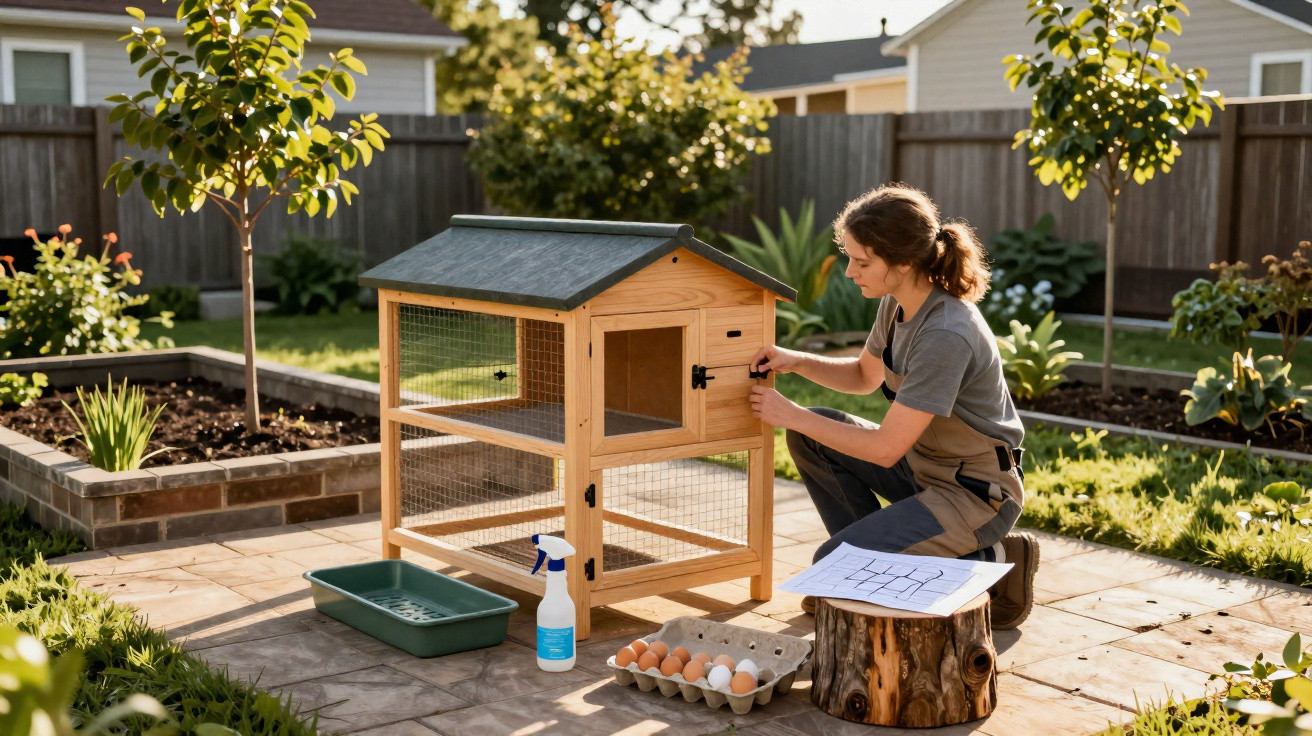
Before heading out to buy an attractive coop and a sack of feed, there is one vital step that is frequently overlooked. It can be the difference between contented hens and a stressful, foul-smelling mess.
The overlooked choice that determines backyard chicken success
New keepers often focus on breeds, plumage colours and expected egg numbers. Yet the decision that truly determines success comes first: selecting and preparing the precise area of your garden in which the chickens will be kept.
That section of land, along with the preparation it receives before the birds arrive, affects the risk of disease, the likelihood of neighbour complaints, and whether your flock remains productive or becomes unhappy and difficult to manage.
The urgent step is not buying the chickens; it’s designing and preparing a safe, clean, escape-proof area before a single bird arrives.
It may seem straightforward, but it is a stage many people miss. They bring home a flat-pack coop, assemble it quickly, place it on the nearest patch of grass and simply hope it works out. Within weeks, they can be dealing with mud, odours, rats and anxious hens that lay poorly, if at all.
First ask: where will the chickens live?
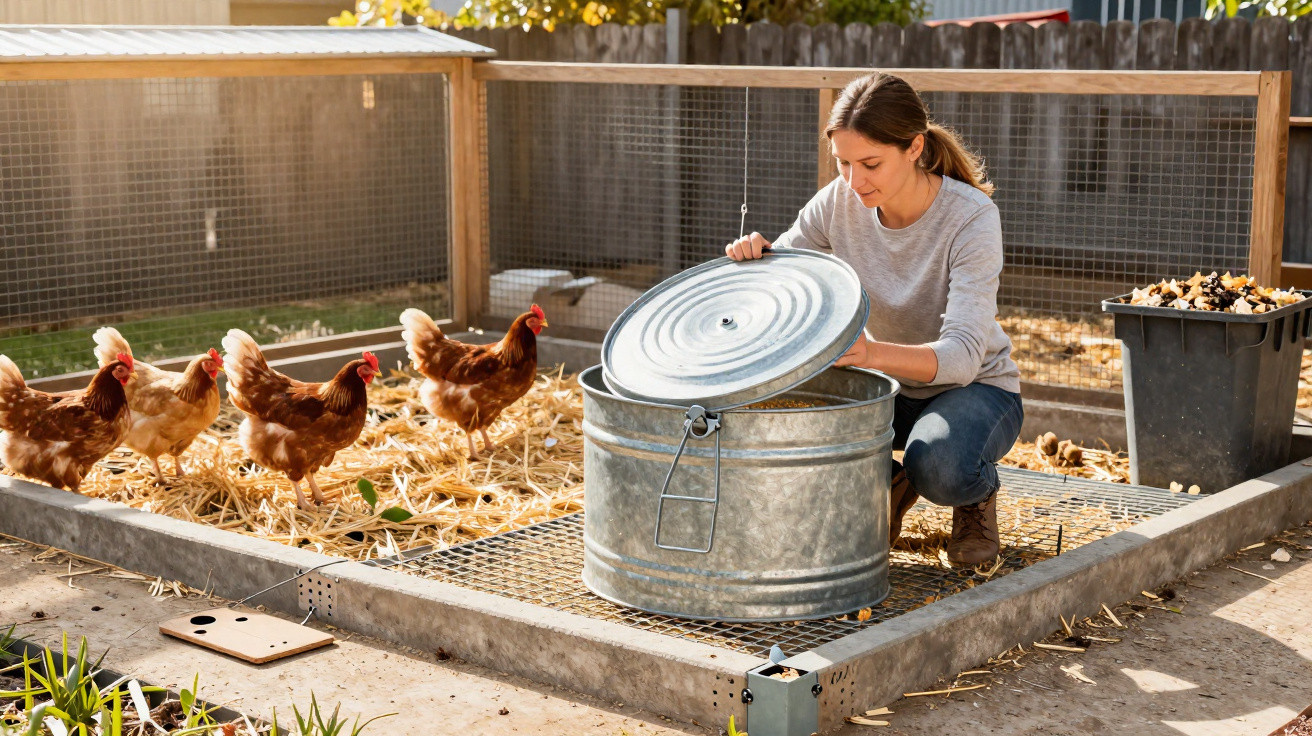
Chickens require two connected areas: a secure coop for overnight use, plus a run or enclosed space for the day. Plan both before purchasing any birds.
Essential features of a garden chicken area
- Dry ground: Pools of water encourage parasites and turn droppings into sludge.
- Shade and daylight: Hens need protection from heat as well as sufficient natural light to continue laying.
- Separation from bedrooms: A cockerel crowing at 4am can quickly create conflict with neighbours.
- Predator protection: Foxes and raccoons will test every vulnerable point night after night.
- Adequate room: Overcrowded birds fight, shriek and pass diseases more easily.
The overall size of the garden matters less than the care given to its layout. Even a small suburban garden can accommodate a modest flock when the ground is dry, fencing is robust and the coop is kept hygienic.
How much room do chickens need?
Advice varies, although some minimum figures are widely accepted. Regard them as the lowest acceptable standard rather than the ideal.
| Area | Absolute minimum per hen | Comfortable target per hen |
|---|---|---|
| Indoor coop | 0.2–0.3 m² (2–3 sq ft) | 0.4–0.5 m² (4–5 sq ft) |
| Outdoor run | 0.9–1 m² (10–11 sq ft) | 1.5–2 m² (16–22 sq ft) |
These measurements assume that the hens will also spend brief periods roaming in the garden under supervision. If they will remain enclosed permanently, choose the larger allowances or provide even more space.
Cramped birds peck each other, rip out feathers and scream. That “cheap” coop set for six birds often suits three at best.
Check the ground already in your garden
Before installing a coop or run, inspect the garden from the perspective of a chicken, a fox and a neighbour.
Hazards that can injure or unsettle chickens
- Poisonous plants: Yew, foxglove, laburnum and certain ornamental bulbs may be harmful when pecked.
- Chemical residues: Recently treated grass, slug pellets and old rat-poison bait present genuine dangers.
- Sharp debris: Broken glass, discarded wire, screws and nails may damage feet and crops.
- Dogs with a strong prey drive: A bored dog that stares at and lunges towards the run can leave chickens permanently stressed.
Remove debris and visible dangers and, where weedkillers or lawn treatments have been used, consult the product label for guidance on poultry safety. Many garden products have not been tested around birds kept for egg production.
The urgent step: create a quarantine-ready chicken setup
For first-time keepers, one of the most neglected actions is providing a space that can also serve as a quarantine or isolation pen. This single choice can avert disease outbreaks and considerable trouble later on.
Plan a main run plus a smaller, separate pen that can hold at least one or two birds on their own for a few weeks if needed.
This is important for several reasons:
- New birds: Keep any future additions separate for 2–4 weeks, preventing them from introducing mites, lice or respiratory infections.
- Injuries and bullying: A limping, bleeding or severely pecked hen needs a quiet place to recuperate.
- Illness and testing: Should one bird develop concerning symptoms, you can isolate her immediately while obtaining veterinary advice.
Without a quarantine space, people tend to keep new or unwell hens with the flock and “see how they go”. This is how small problems can spread throughout the flock.
What a quarantine-ready setup includes
A second expensive coop is unnecessary, but a flexible arrangement is essential.
- A small, secure shed, dog crate or used coop that is easy to scrub clean.
- Separate feed and water containers kept ready for use.
- Fencing or solid panels to partition an area of the garden away from the main run.
- Shade, effective ventilation, and a roof or cover that prevents wild birds getting in.
Have this in place before the first hens arrive, rather than on the evening you discover one is gasping or bleeding.
Preventing disease before it begins
Stress and poor hygiene are associated with most illnesses in backyard chickens. The first week after the hens arrive establishes the pattern.
Prepare before the first day
- Cover the coop floor with dry, absorbent bedding, such as chopped straw or wood shavings.
- Fit perches above the nesting boxes so hens are encouraged to roost correctly.
- Raise feeders and drinkers off the ground to limit contamination from droppings.
- Roof at least part of the run with clear sheeting, protecting it from heavy rain and wild bird droppings.
Dry, clean footing reduces worms, coccidiosis and foot problems. Wet, compacted mud is where many backyard flocks go wrong.
A basic footbath at the run entrance - a tray of disinfectant into which you dip your boots - helps prevent disease being brought in from other gardens, farms or parks where poultry may have been present.
Controlling noise, odours and neighbour relations
Stress affects more than chickens. Tension between people can grow when coops smell, cockerels crow and flies appear.
Layout decisions that avoid problems
- Coop position: Place it away from neighbours’ windows and from your own patio seating area.
- Wind direction: Consider the prevailing wind, and avoid positioning the coop so odours travel directly towards somebody’s bedroom.
- Cleaning access: Ensure a wheelbarrow can be taken directly to the coop, making bedding removal straightforward.
- Waste arrangements: Establish where droppings and used bedding will be disposed of - in compost, green waste or a dedicated bin.
Frequent cleaning is much simpler when the coop opens fully and can be hosed or brushed out without struggling around inconvenient corners.
Scenario check: two gardens, two sharply different results
Imagine two households responding to empty egg shelves.
Household A purchases an inexpensive coop online, puts four hens in a wet corner of the lawn and hopes for the best. In less than a month, the spot has become a muddy patch, flies gather, neighbours object to the smell, and one hen is repeatedly bullied without any separate space available.
Household B devotes a weekend to preparation. They set up their run on well-drained ground, install a roof panel, reserve a small isolation pen and establish a cleaning routine. When one hen begins wheezing, they move her straight into the side pen while contacting a vet. The remainder of the flock stays steady and productive.
Each household began with the same ambition: fresh eggs. Only one completed the quiet but urgent task of preparing the space with as much care as selecting the birds.
Key terms that new chicken keepers often misunderstand
Several expressions in chicken-keeping advice can be confusing:
- Biosecurity: Everyday practices that prevent disease passing between flocks, including handwashing, changing boots and quarantining new birds.
- Free range: This does not guarantee unrestricted roaming across open countryside. In a garden setting, it generally means supervised time beyond the run.
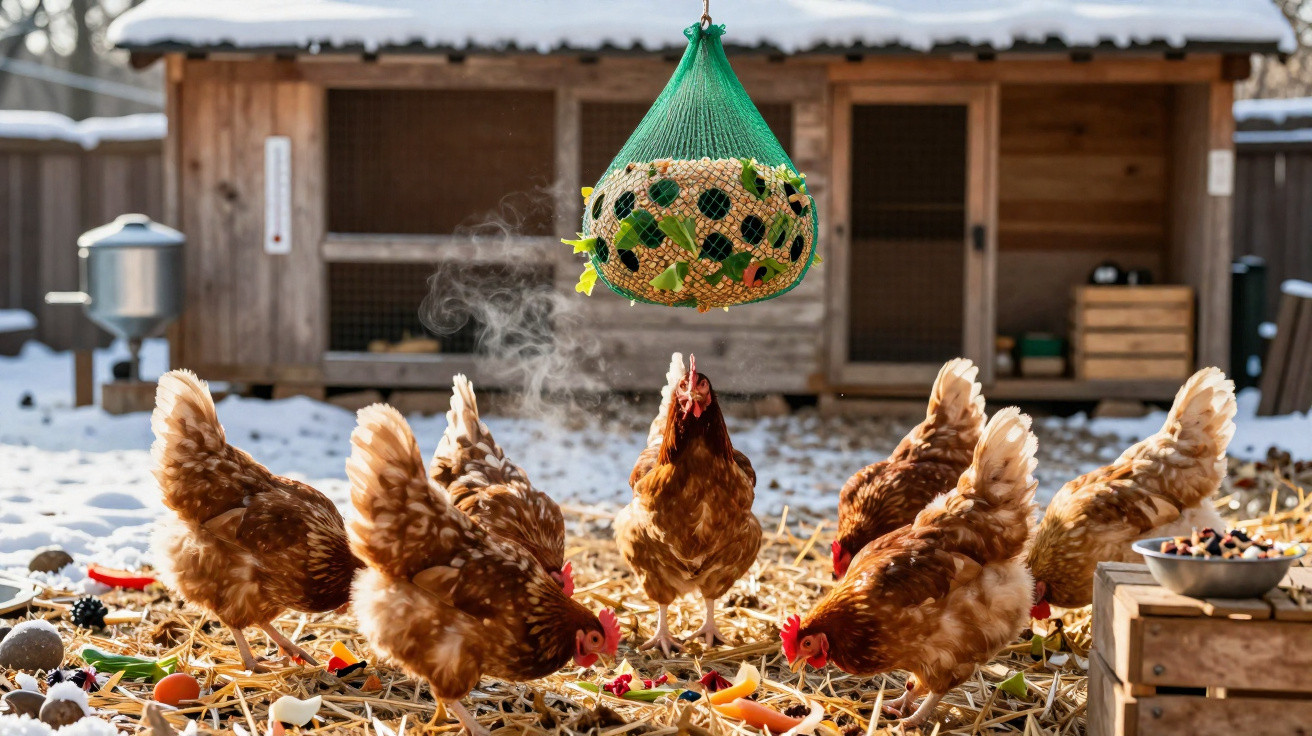
- Enrichment: Items or activities that allow birds to scratch, peck and perch as they naturally would, including logs, dust baths and hanging greens.
Knowing these terms before getting started makes the planning process more practical and less idealised.
Looking beyond eggs for the long term
Backyard chickens may live for five to ten years, well beyond their most productive laying period. The early choice of where and how they are housed shapes their entire lives, rather than only the initial period of egg production when shelves are empty and headlines are prominent.
By creating a flexible, hygienic, quarantine-ready area now, you can lower stress for the birds, reduce disease risks for your household and lessen the likelihood of an emotional rehoming post once reality sets in. Eggs then become an added benefit, rather than the sole measure of success.







Comments
No comments yet. Be the first to comment!
Leave a Comment