Government support for Portuguese agriculture
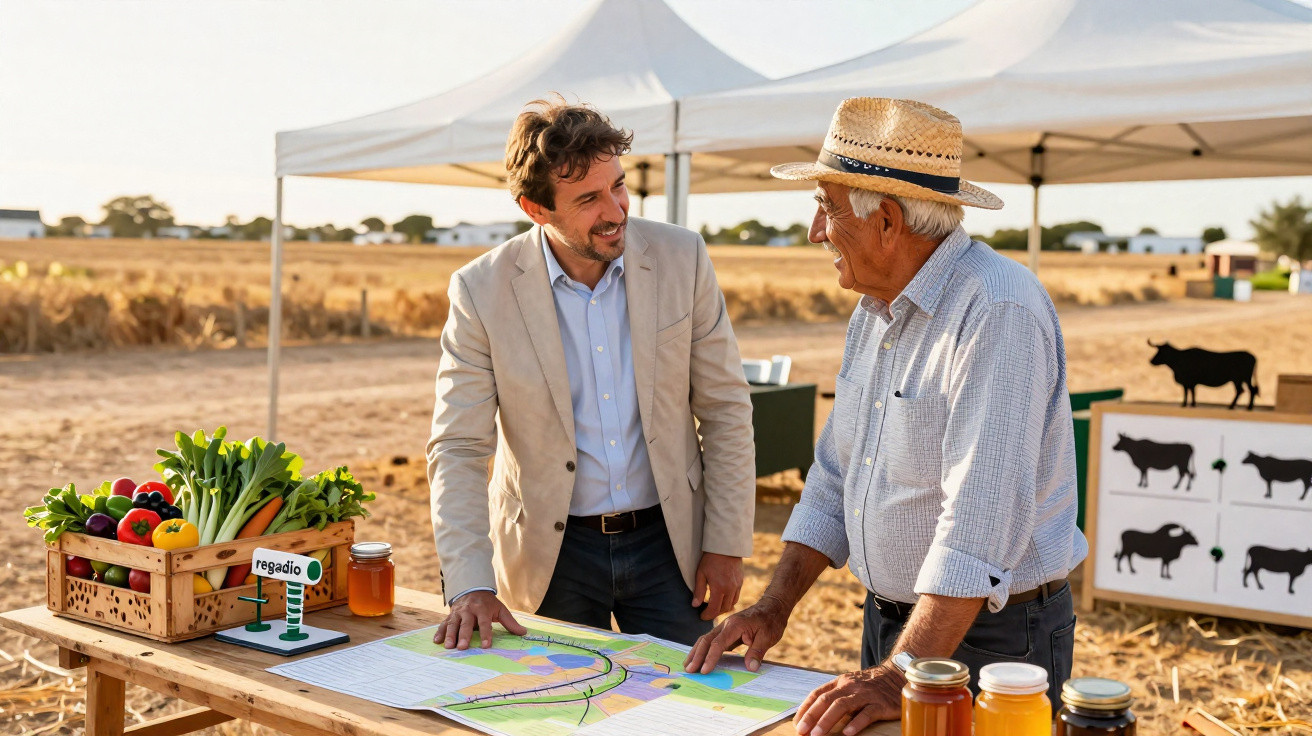
In Beja, at the heart of the Alentejo, the Government held Thursday’s Council of Ministers meeting at Ovibeja, one of Portugal’s largest agricultural fairs. The move was intended to underline the sector’s importance at a particularly demanding time: Portugal was hit by a “train of storms” at the beginning of the year, while the conflict in the Middle East has raised production costs. “We believe in agriculture, in the primary sector, as a strategic sector of our economy,” Prime Minister Luís Montenegro said after the meeting.
Against this backdrop, the Government introduced immediate support measures, notably a package addressing production costs and infrastructure recovery. This includes €20 million for the production systems most affected by higher fertiliser and energy prices, at a time when these pressures are threatening the sustainability of agricultural holdings.
“We know that it is one of the factors that has contributed most to worsening the sustainability situation of agricultural holdings,” the Prime Minister acknowledged, referring to the direct effect of these costs on the ground.
Alongside this measure, an exceptional €60 million package was approved to restore hydro-agricultural infrastructure damaged by severe weather, mainly irrigation systems.
“These are short-term measures, but they are absolutely vital if agriculture and livestock farming in Portugal, and particularly in this region, are to face today’s challenges with greater resilience,” Luís Montenegro said. He pointed both to the storms that struck the country and to rising production costs driven by the conflict in the Middle East.
Livestock, mobile abattoirs and honey rules
The Council of Ministers also approved further decisions relating to agricultural activity. The Government introduced a new scheme to regularise livestock farming operations, which the Prime Minister described as “a measure that has long been demanded”.
It also approved changes to the licensing regime for mobile abattoirs, designed to enable them to operate under suitable conditions. According to Luís Montenegro, the amendment could prevent small producers from having to travel longer distances.
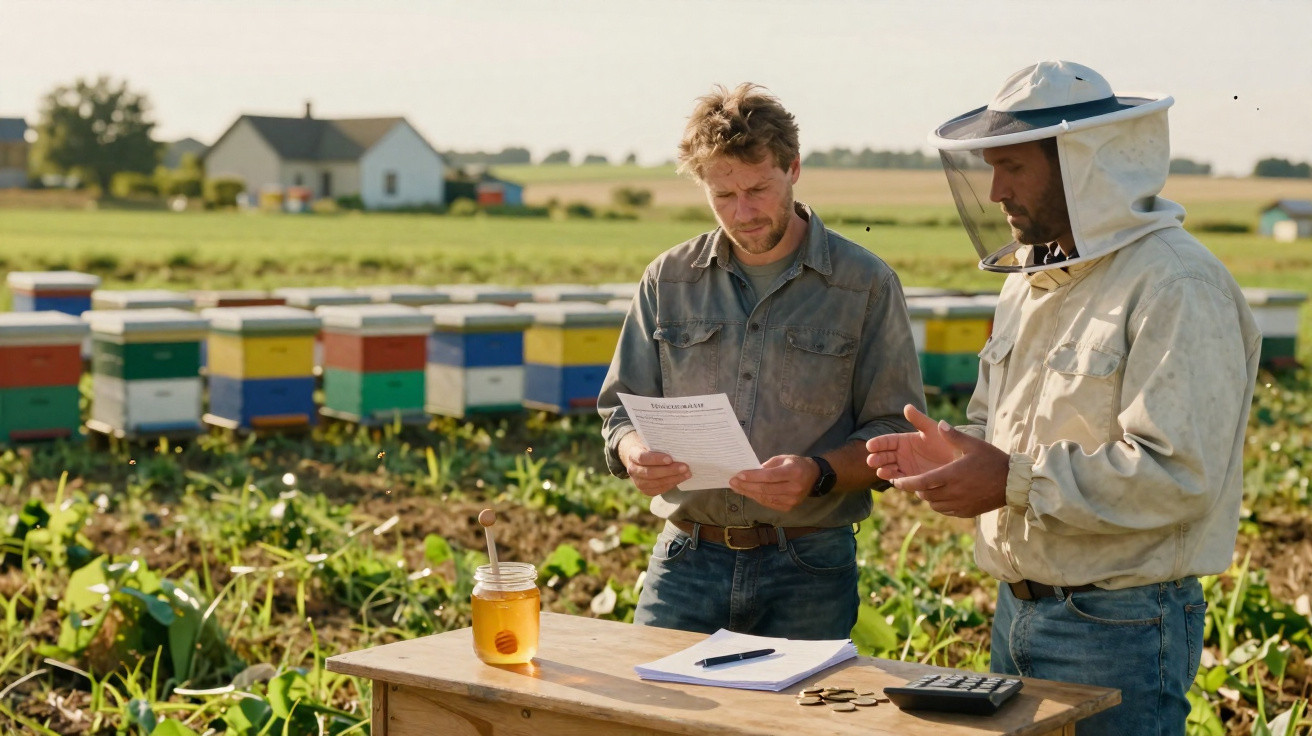
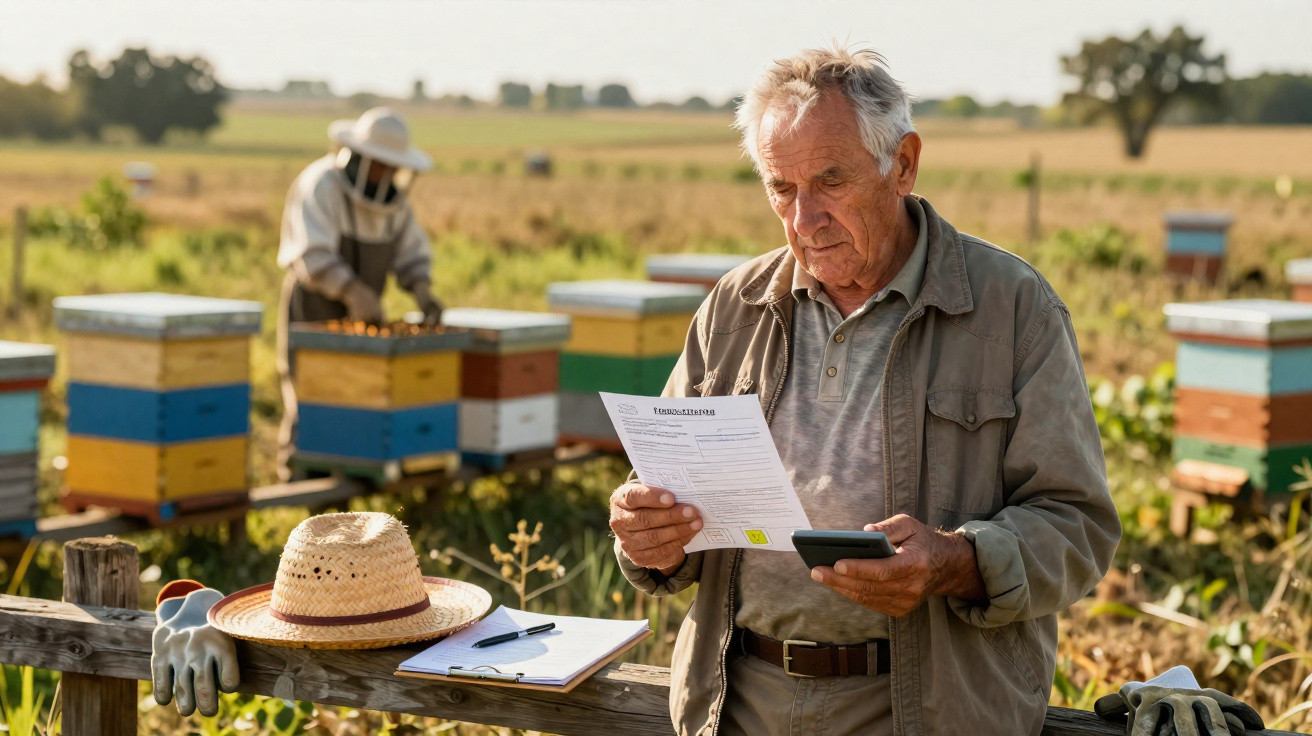
For plant protection products, the validity period of applicators’ certification has been extended from 10 to 15 years. In the honey sector, the rules on extraction and processing have also changed, allowing honey to be supplied to food-sector establishments that use it as a raw material.
Fertiliser costs threaten competitiveness
The measures come as the sector has stepped up its warnings. In a joint appeal, the Portuguese Farmers’ Confederation (CAP) and the Portuguese Association of Distribution Companies (APED) called for “a coherent and effective package” to halt escalating costs, warning that price increases are likely to “hit consumers hard”. The main concern is the rise in fertiliser prices, which are vital for maintaining productivity and have been driven by the impact of the conflict in the Middle East.
Beyond the direct impact on production, the sector has also warned of an increasing risk of losing competitiveness against countries such as Spain, which have introduced more substantial support.







Comments
No comments yet. Be the first to comment!
Leave a Comment