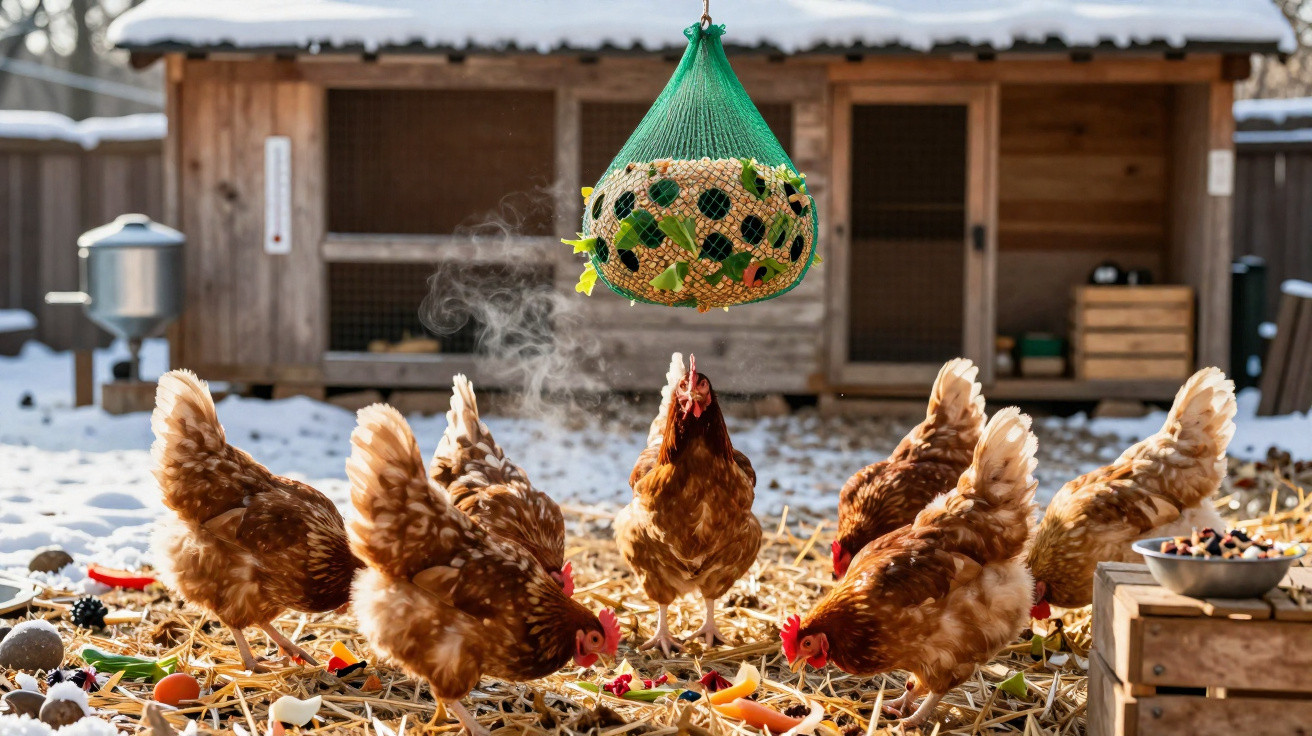
In January, many a chicken coop can feel frozen in time: daylight is scarce, the ground is muddy or solid with frost, and insects are virtually absent. Many keepers notice their birds simply sitting about, becoming sluggish and sometimes genuinely unsettled. This is where a remarkably simple game comes in-one that has long been routine in many zoos and is now attracting attention in backyard coops.
Why chickens can become irritable and overweight in winter
When the vegetable patch is dormant, chickens lose one essential thing: stimulation. Under normal conditions, they spend hours scratching through the soil, pecking at tiny plants and hunting insects. Once the ground freezes hard, that search is largely no longer possible.
The effects soon become apparent:
- Less exercise, while feed intake stays the same or even increases
- A greater risk of excess weight and fatty liver
- Boredom and stress in the coop
- Feather pecking, potentially leading to serious injuries
Feather pecking in particular often has a clear cause: behavioural frustration. Their natural urge to search and scratch is interrupted, so that energy finds another outlet-often in their flock mates.
“Artificially recreating the search for food reduces stress, helps prevent aggression and keeps chickens mentally active.”
The treat ball idea: chickens have to “play” for their food
Keepers in wildlife parks have known the principle for years: animals tend to be healthier and more balanced when they have to work for their treats. This form of environmental enrichment works surprisingly well for chickens too, using a straightforward treat ball.
The basic principle is simple: rather than tipping treats into a bowl, put them into a sturdy plastic ball with holes. Each time the chickens nudge, peck or roll the ball, a small bite falls out.
Here is how to put it into practice:
- Buy a treat ball or make one from a durable plastic or rubber ball
- Drill several holes of a suitable diameter into it
- Fill it with grains, small pieces of vegetables or dried insects
- Throw the ball into the run-the rest happens almost by itself
The effect is striking: as soon as the ball starts rolling, many chickens switch into chase mode. They run after it, push it and scratch around it. A dull winter day suddenly becomes a kind of “chicken football match” with food as the prize.
“A simple ball with holes turns passive eating into an active game-and transforms the whole coop.”
What to put in a treat ball-and what to avoid
To keep the game engaging, the filling needs to be tempting as well as healthy. Pieces should be just large enough that they only fall through the holes with a little effort.
Suitable fillings for cold days
- Dried mealworms: Very high in protein and ideal in small amounts during cold spells.
- Cracked or ground maize: Provides quick energy and warms birds from within.
- Small pieces or cubes of pumpkin: Stores well from the autumn harvest and is rich in vitamins.
- Sunflower seeds: A source of fat that provides energy-use sparingly.
You can also add finely chopped winter vegetables such as carrot, small pieces of kohlrabi or parsnip. Crucially, avoid feed scraps that are too wet or sticky, as these can smear the inside of the ball or go mouldy.
One approach many keepers favour is changing the contents every day. Offer more protein one day, more vegetables the next, then a mixture. This keeps the birds curious and keen to search for different treats each time.
Exercise as a heater: how the treat ball helps chickens cope with cold
Anyone watching chickens chase a treat ball can immediately see that their bodies are working properly. Their muscles are active, while breathing and circulation increase. That is precisely what chickens need in sub-zero temperatures.
The benefits are clear:
- Active birds generate more body heat
- Their metabolism operates at a noticeably higher level
- Fat stores are used as well as built up
- The digestive system remains more active
“For chickens, exercise is the most natural hot-water bottle-and a treat ball provides the perfect reason to get moving.”
Keepers who mainly keep their birds “full and quiet” during winter risk cardiovascular problems and severe fatty liver over time. Heavier breeds especially benefit when they do more than walk to the feeder and instead earn their extra feed through play.
Creating a regular winter routine with a treat ball
For lasting results, the game needs a routine. Doing it once every two weeks may be enjoyable, but it changes little. A daily or near-daily ritual works far better.
The best time of day
Many keepers have had positive results with a set time in the afternoon, at around 2 pm. It is usually still light outside, the morning feed has been digested, and the long dark evening is still ahead.
The routine can look like this:
- Provide the usual basic ration in the morning.
- Fill the treat ball with treats in the early afternoon.
- Roll the ball into the run, then watch the chickens and assess their behaviour.
- Collect the ball after 30 to 45 minutes if any food remains inside.
Collecting it has an important additional benefit: it stops feed being left out overnight and attracting rats, mice or martens.
Hygiene, safety and sensible limits
Although the idea is simple, several points should become part of the routine:
- Clean weekly: Rinse the ball with hot water and allow it to dry thoroughly.
- Avoid sharp edges: Smooth off homemade balls so birds cannot injure themselves.
- Monitor quantities: Include the treat ball contents in the daily ration to avoid overfeeding.
- Observe the flock: If one dominant bird monopolises the ball, use two or three balls around the run.
The final point is often underestimated. Many flocks have a clear pecking order. With only one ball available, a particularly assertive chicken may dominate the entire activity. Several balls spread the pressure and keep every bird occupied.
Other winter ideas: useful additions to the game
The treat ball is a powerful tool against winter frustration, but keepers can easily build on the idea. A few straightforward additions include:
- Piles of hay or leaves with grains hidden inside-chickens love rummaging through them.
- Hung cabbages or savoy cabbage-the birds jump and peck rather than simply eating.
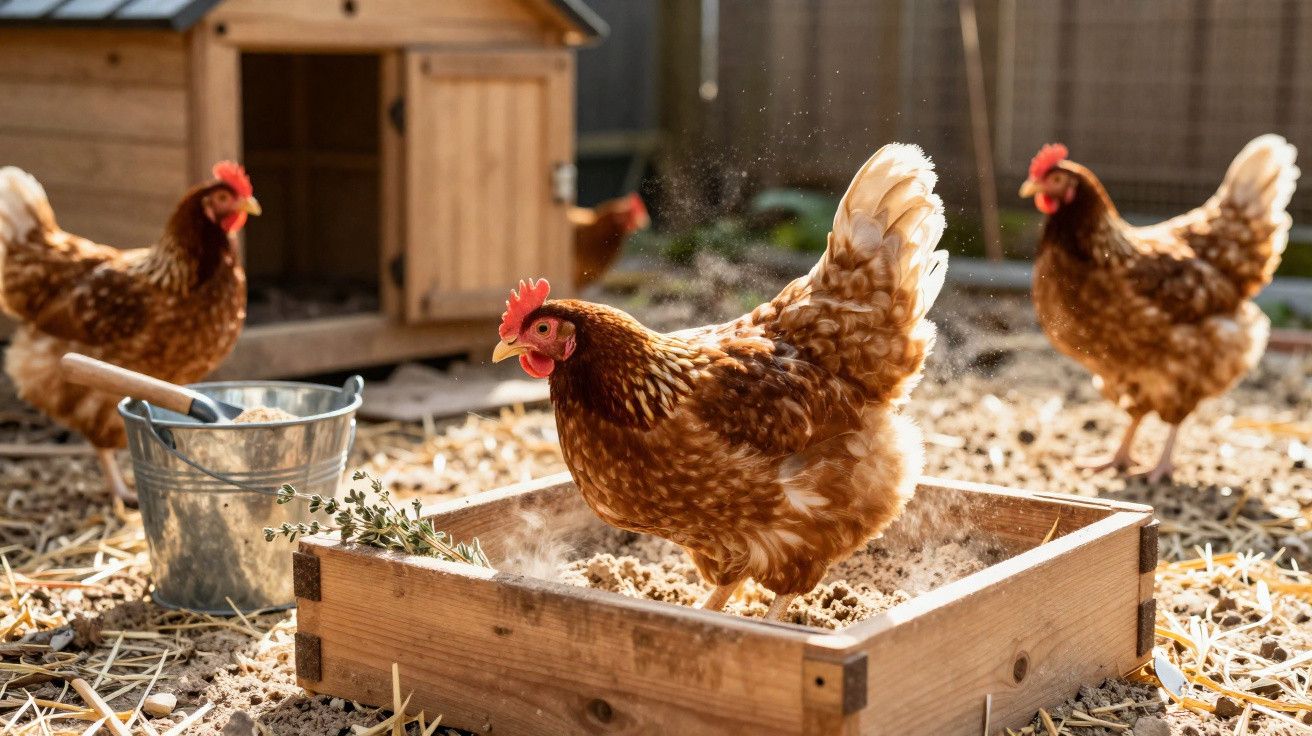
- Scratching boxes filled with sand, soil or ash-ideal for dust bathing and parasite control.
These activities also ease mental pressure on the birds. Chickens are curious creatures capable of learning. Providing fresh stimulation time and again encourages balanced, stress-resistant groups-and, in turn, more consistent egg laying once the days begin to lengthen again.
Beginners should start with an uncomplicated, inexpensive treat ball and observe their birds closely. Many keepers report that even relatively timid hens become braver and more active within a few days when they can play regularly. In this way, an apparently bleak winter coop gradually turns into a lively, active flock of chickens.


Comments
No comments yet. Be the first to comment!
Leave a Comment