Well-intentioned advice can often cause serious damage in the garden.
Countless guides are currently circulating on social media explaining how to catch the Asian hornet with plastic bottles and sweet bait. Concerned for their bees and their own safety, many amateur gardeners and beekeepers are following them. Yet a look at the evidence quickly shows that most of these traps do very little to address the issue while killing huge numbers of beneficial insects.
How the Asian hornet became a scapegoat species
The Asian hornet (Vespa velutina), often identified by its yellow legs, appeared in Europe in the mid-2000s. It is thought to have arrived in a freight shipment and has spread rapidly ever since. It is now established across large parts of western Europe.
Because it readily hunts near beehives, it has quickly been portrayed as a “killer”. Reports and online posts can make it seem solely responsible for declining bee numbers. Specialists strongly disagree. The principal drivers are intensive, large-scale agriculture with heavy pesticide use, alongside a lack of flowering habitat.
“The Asian hornet is an additional stress factor for beekeepers – but not the main reason for insect decline.”
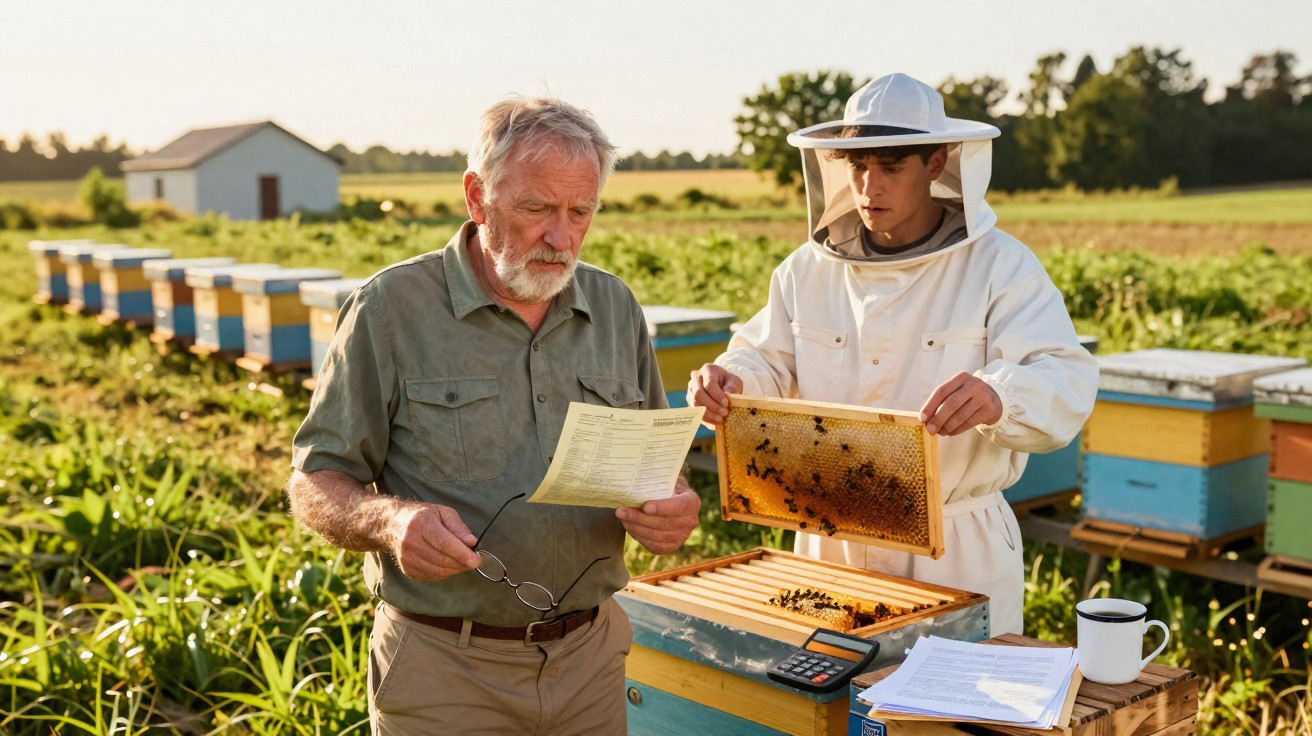
Where a nest is positioned directly beside an apiary, the consequences can genuinely become severe for the affected business. The beekeeper may lose not only honey, but entire colonies. Such specific incidents shape public perception. In the daily lives of most people, however, the species matters far less than dramatic headlines suggest.
How online bottle traps work – and why they cause problems
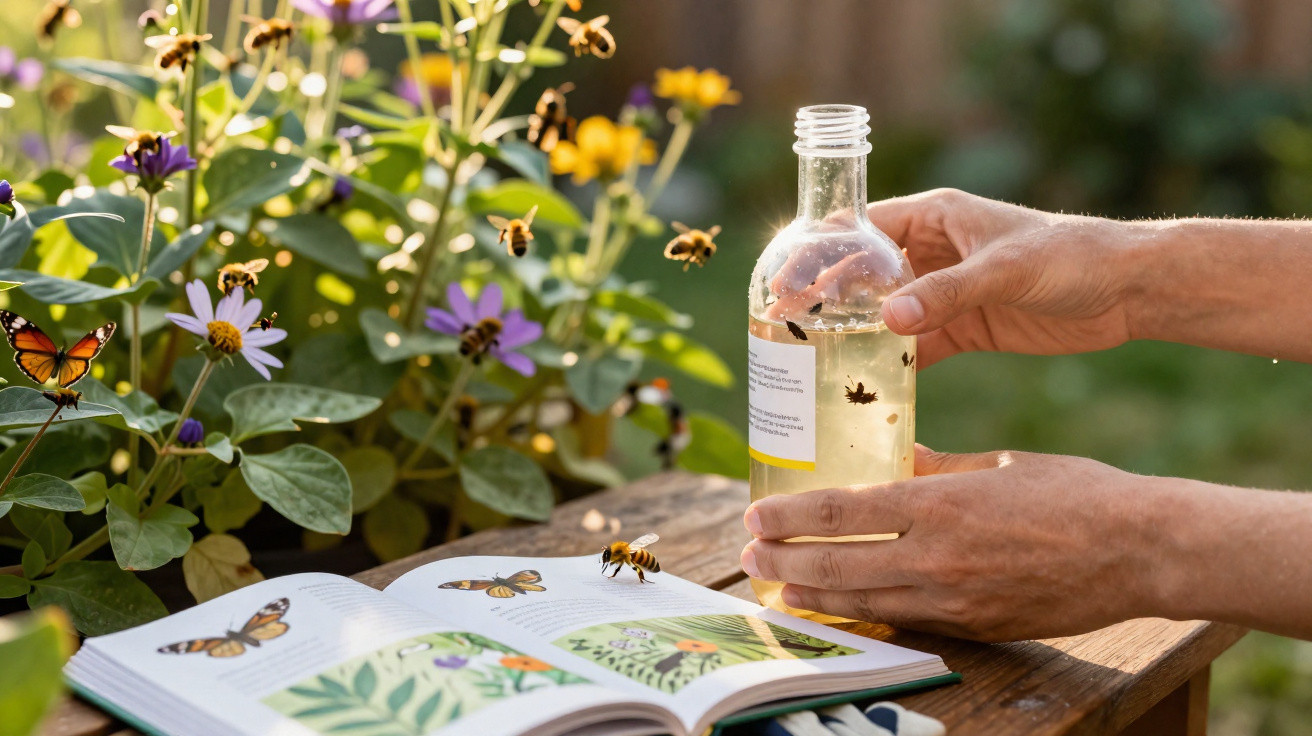
The usual do-it-yourself traps nearly always use the same principle: an empty plastic bottle is cut open and filled with a mixture of sugar, alcohol and, sometimes, fruit juice or beer. Its scent is intended to attract Asian hornets specifically.
In reality, these containers primarily catch other insects:
- solitary bees and bumblebees
- hoverflies and other pollinators
- beetles and butterflies
- native wasp species, as well as European hornets
Research by French state research institutes clearly demonstrates that these devices are not selective. They cannot distinguish between a supposed “pest” and species that are ecologically valuable. The bait attracts anything that likes sweetness and can fly.
“The scientific assessment describes them as ‘non-specific, unsuitable and harmful to numerous other species’.”
Anyone who puts up these traps regularly will often end up emptying a veritable cocktail of insects: a small number of Asian hornets, but many beneficial animals. They have virtually no impact on the hornet population overall, while delivering another blow to the already struggling insect life around the home.
Why the feared “monster sting” usually does not happen
Many comments also reflect fears that the Asian hornet is especially aggressive and substantially more dangerous to people than native species. This fits its sinister reputation, but it withstands only limited scrutiny in reality.
People encountering an individual insect in the garden will often find that it simply flies past. It is more interested in flowers or insect prey, and avoids humans provided its nest is not under threat. In this respect, its behaviour resembles that of familiar wasps and the European hornet.
As with all stinging insects, defensiveness increases close to the nest. Anyone who throws sticks at it or operates a brushcutter too near a colony risks being stung, whatever the species. As with bee or wasp stings, people with allergies may be at risk. However, the available evidence does not support a general “super-killer” status for humans.
A homemade garden trap: plenty of emotion, little effect
When setting a trap, many people feel that they are “doing something” for bees and the environment. That reaction is understandable: a plastic bottle containing a few floating hornets feels more tangible than political debates about pesticide bans or land sealing.
That is precisely the problem: feeling useful is no substitute for an effective measure. Asian hornet colonies are resilient, and catching individual insects has scarcely any bearing on the total population. At the same time, the traps intensify species decline right on the doorstep.
“Putting up a few bottle traps in your own garden barely changes hornet populations – but the harm to beneficial insects is real.”
Those who want to make a serious contribution to biodiversity have far more effective options. They may be less spectacular, but they deliver more lasting results.
What experts recommend instead
Targeted action for genuine problem nests
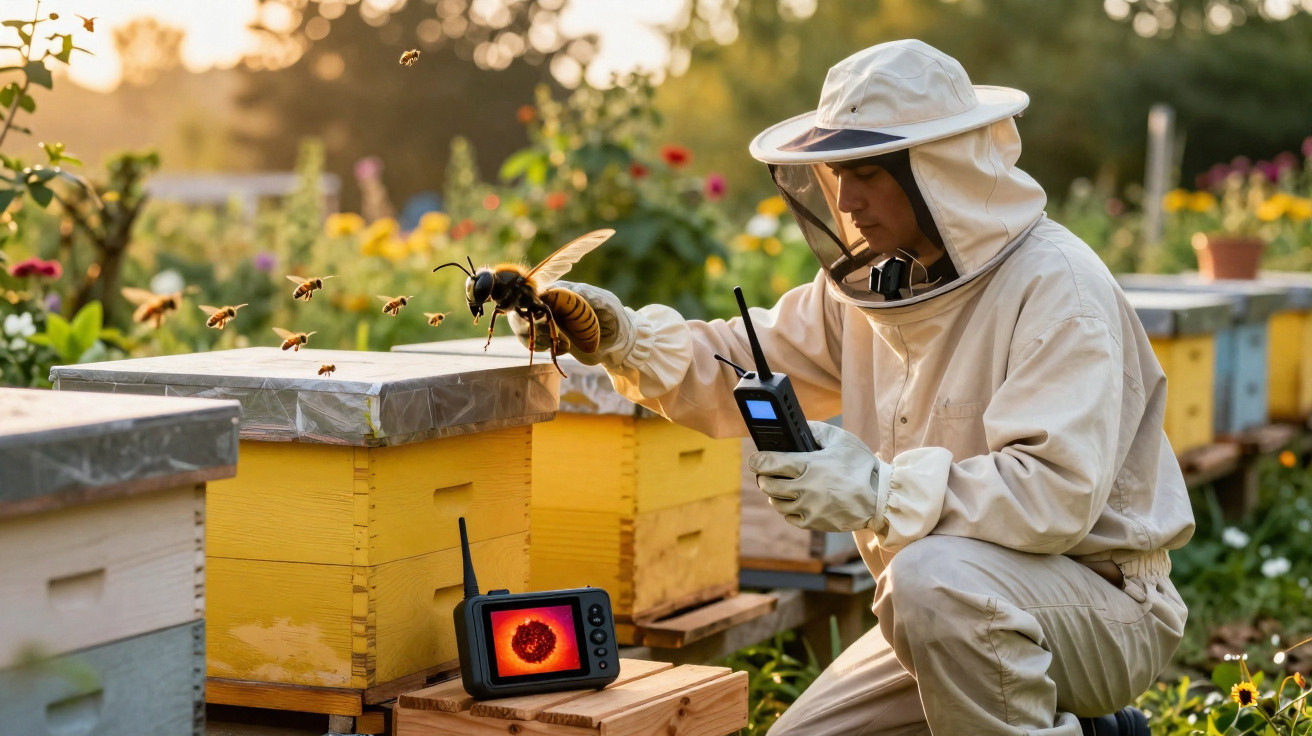
The situation differs for beekeepers or for people with a nest extremely close to a patio, playground or loft. In these cases, specialists recommend:
- having the nest’s location and size assessed by a professional
- involving specialist pest controllers or local authority services where necessary
- using targeted methods, such as professional attractant traps or nest removal, rather than deploying homemade traps widely
Professional attractant traps using specific pheromones can be worthwhile near apiaries. They are more expensive and require more effort than bottle traps, but they target the intended species far more precisely.
Supporting biodiversity instead of killing indiscriminately
For anyone without an immediate nest issue, a change of perspective is worthwhile: the Asian hornet is now an established part of the ecosystem. Complete eradication in central Europe is considered unrealistic. The task, then, is to live with it while strengthening the wider insect world.
Practical steps around the home include:
- Reduce poisons in the garden: avoid chemical insecticides and look for alternatives.
- Create flowering areas: plant native wildflowers, herbs and late-flowering perennials, and do not constantly mow lawns to a millimetre-perfect finish.
- Leave structural features in place: dead wood, leaf piles and hedges provide refuges for insects and their predators.
- Limit light pollution: reduce outdoor lighting and use warm-white, shielded lamps.
These actions benefit many species at once, from solitary bees and butterflies to the natural enemies of aphids. Their effect on biodiversity as a whole is many times greater than making a few individual traps.
What terms such as “invasive” really mean
The word “invasive” is often used in discussions of the Asian hornet. It refers to a non-native species that spreads extensively and can noticeably affect native species or entire habitats. This dynamic is not caused by the animal alone, but by a combination of factors.
Several conditions typically coincide:
- few natural enemies in the new range
- plentiful food, such as abundant insect prey or suitable nesting sites
- high adaptability and strong reproduction
- human-altered landscapes that favour the species
The Asian hornet encounters exactly these conditions. It benefits from open agricultural landscapes, warm built-up areas and an oversupply of prey, particularly where monocultures have displaced other predators.
Putting conflicts in perspective – and acting more wisely every day
When people hear an unfamiliar large insect buzzing in summer, they are quick to label it “dangerous”. Often, this simply reflects a lack of knowledge or a general distrust of anything that can sting. A level-headed view helps prevent knee-jerk action at every buzz.
A sensible approach might include:
- first observing unfamiliar species and identifying them from photographs, for example through apps or local specialist groups
- intervening only where there is a genuine risk to people or apiaries, and then doing so in a targeted way
- avoiding bottle traps and similar homemade projects
- improving the property instead: greater diversity, fewer poisons and more habitat structures
Taking this approach protects not only bees and other pollinators, but also reduces the potential for conflict with the Asian hornet over the long term. The species will remain, but the severity of its impact on ecosystems depends greatly on how much space we still allow for the rest of the insect world.










Comments
No comments yet. Be the first to comment!
Leave a Comment