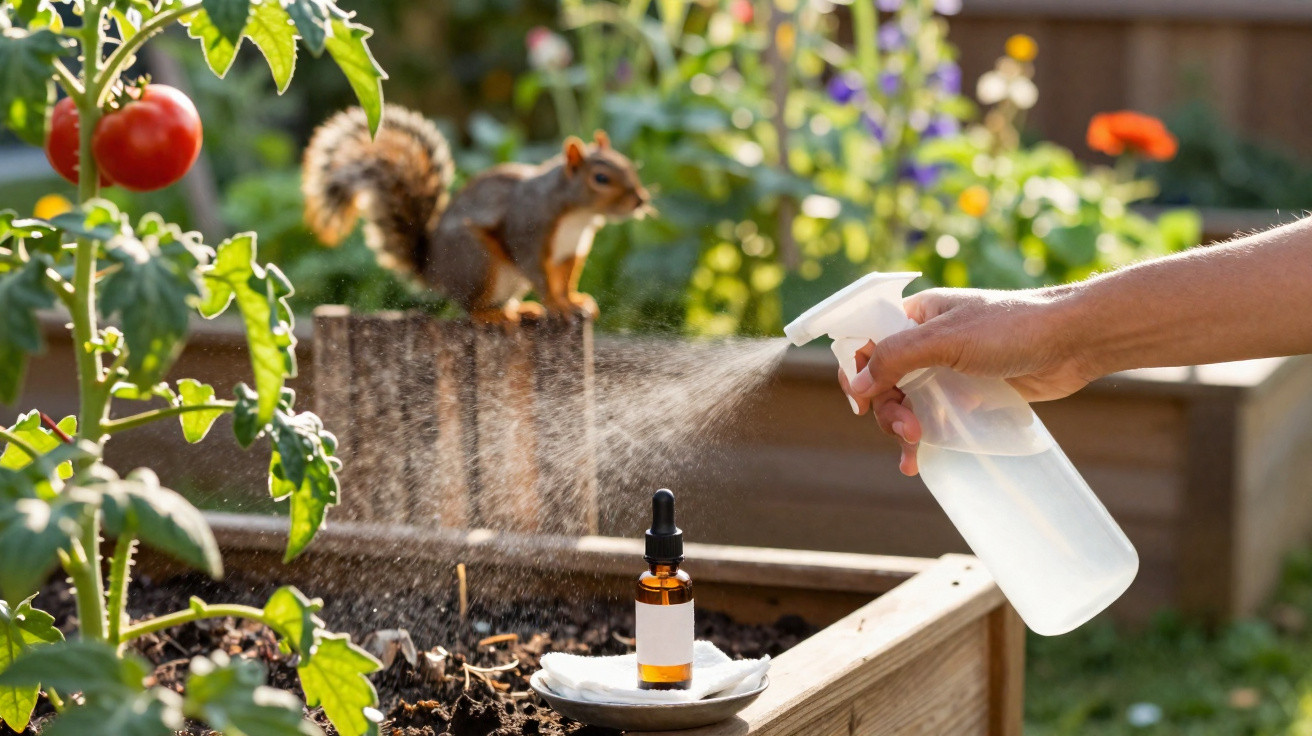
Squirrels may seem charming until they dig up tulip bulbs, empty bird feeders and gnaw at timber cladding. At that point, these cute visitors can become genuine garden pests. Increasing numbers of gardeners are turning to peppermint oil as what appears to be a straightforward, animal-friendly answer. The idea behind the trend is simple: its powerful scent is meant to deter the animals without harming them. Yet how dependable is it in everyday use, and what are its limitations?
How peppermint oil affects squirrels
Peppermint oil is an essential oil extracted from the peppermint plant. Its principal components are menthol and menthone. They create the familiar cooling sensation and sharp mint fragrance associated with chewing gum and cold-relief balms.
Squirrels have a highly sensitive sense of smell. They rely on it to find food, identify danger and mark their territory. When their sensitive olfactory system encounters a strongly concentrated mint scent, it may be unpleasant and disorientating. That is precisely the principle behind using peppermint oil.
“Peppermint oil does not create an invisible barrier – it merely changes how appealing an area seems to squirrels.”
Studies of scent substances in rodents indicate that strongly smelling materials can disrupt behaviour in the short term. At first, the animals may avoid the area or act more cautiously. In other words, peppermint oil can temporarily make places where squirrels would usually dig or feed less appealing.
What determines its effectiveness
Whether peppermint oil actually helps in the garden depends on several factors:
- Concentration: Oil that has been diluted too much quickly loses its effect outdoors.
- Weather: Rain, wind and sunlight rapidly break down the scent compounds.
- Location: The fragrance remains noticeably longer in sheltered spots.
- Habituation: Some squirrels become accustomed to the smell over time.
- Food availability: Where there is an especially plentiful food supply, squirrels will tolerate more inconvenience.
| Influencing factor | Effect on performance | Typical duration |
|---|---|---|
| Rain | Quickly washes the oil from soil and surfaces | 1–2 days |
| Direct sunlight | Causes scent compounds to evaporate quickly | 2–4 days |
| High temperatures | Further speeds up evaporation | 3–5 days |
| Sheltered areas | The scent lasts longer and is less likely to be washed away | 7–10 days |
Many gardeners report this exact pattern: initially, the animals appear to stay away, but the effect decreases markedly after a few weeks. Squirrels learn that the pungent smell is irritating rather than genuinely dangerous – and that the sunflower seeds in the bird feeder are worth the trouble.
How gardeners can use peppermint oil properly
Anyone wishing to try peppermint oil should apply it strategically rather than spraying it at random. It makes sense to inspect the garden’s problem areas closely: where do the animals dig, which routes do they regularly follow, and where are feeding stations located?
The most common method: making a spray solution
In day-to-day use, many people prepare their own spray mixture. A typical approach is:
- Fill a spray bottle with water.
- Add around ten to fifteen drops of pure peppermint oil per cup of water.
- Add a few drops of washing-up liquid so that the oil and water combine more effectively.
- Shake thoroughly and use immediately.
The mixture is suitable for the following areas:
- Soil around newly planted flower bulbs
- Entry points to the garden, such as along fences or walls
- The area surrounding bird tables and feeders
- The bases of timber decking, sheds or raised beds
During spring and autumn, when squirrels are particularly active, many gardeners use the spray bottle twice a week. A further application is often needed after heavy rain.
Alternatives to spraying: creating scent points
Alongside a spray solution, targeted scent points can help the fragrance last longer:
- Soak cotton wool balls in undiluted oil and place them in small containers with holes.
- Fill fabric scent sachets with dried mint and add a few drops of oil.
- Mix a small amount of oil with bark mulch or soil, then work it in around particularly vulnerable plants.
These “scent islands” can be concealed effectively beneath eaves, in wall recesses or under covers, where rain and sun are less able to reach them.
“Placing the scent source higher up – for example, at the edge of a bird feeder – directly affects the area that is most attractive to the animals.”
Why peppermint oil is not a cure-all
However appealing this simple home remedy may sound, peppermint oil is still only a behavioural deterrent rather than physical protection. A hungry squirrel with an established territory is more likely to put up with the scent than give up its favourite nuts without a fight.
It is particularly difficult in gardens where the animals have used feeding spots, hiding places and nesting sites for years. These regular visitors can be remarkably persistent. In such cases, the mint scent may at best force them to take detours or delay damage, but it will not prevent it entirely.
Cost is another consideration: high-quality essential oil is not cheap. Anyone spraying generously throughout the summer will soon notice the expense. Synthetic scent products may cost less, but their effects are often weaker and less consistent.
When combining measures makes sense
Many specialists recommend combining several approaches. Common additions include:
- Fine wire baskets or mesh placed over bulb plantings to stop digging
- Protective tubes around young tree trunks
- Positioning bird feeders so there is no direct jumping route from roofs or beams
- Motion-activated water sprinklers or light signals as an additional startle deterrent
In densely wooded residential areas, new animals regularly arrive when others stay away. Anyone relying on scents alone in these places rarely achieves lasting results. A layered strategy involving barriers, scent, careful positioning and a limited food supply is much more sustainable.
Seasons and squirrel behaviour
The success of peppermint oil varies considerably throughout the year. In spring, squirrels look for nesting material and energy-rich food for their young. In autumn, they frantically build stores, burying nuts and seeds in the ground. During these periods, pressure on beds and flower bulbs rises sharply.
At these times, peppermint oil treatments on their own are usually not enough. The animals are at their most active, travel further and investigate more possibilities. During quieter periods – such as high summer, when plenty of natural food is available – the same scent can have a much stronger deterrent effect.
What else gardeners should know
Many readers wonder whether peppermint oil could cause problems for other animals or plants. At normal dilution, most ornamental plants tolerate occasional spraying well. Leaf scorch is more likely if the oil is applied at a very high concentration in bright sunshine.
For pets, the position is as follows: cats and dogs generally dislike strong essential-oil scents. At low doses and outdoors, exposure remains limited provided they do not directly lick the cotton pads or sachets. Anyone who is unsure should consult their vet or place the scent sources out of the reach of dogs and cats.
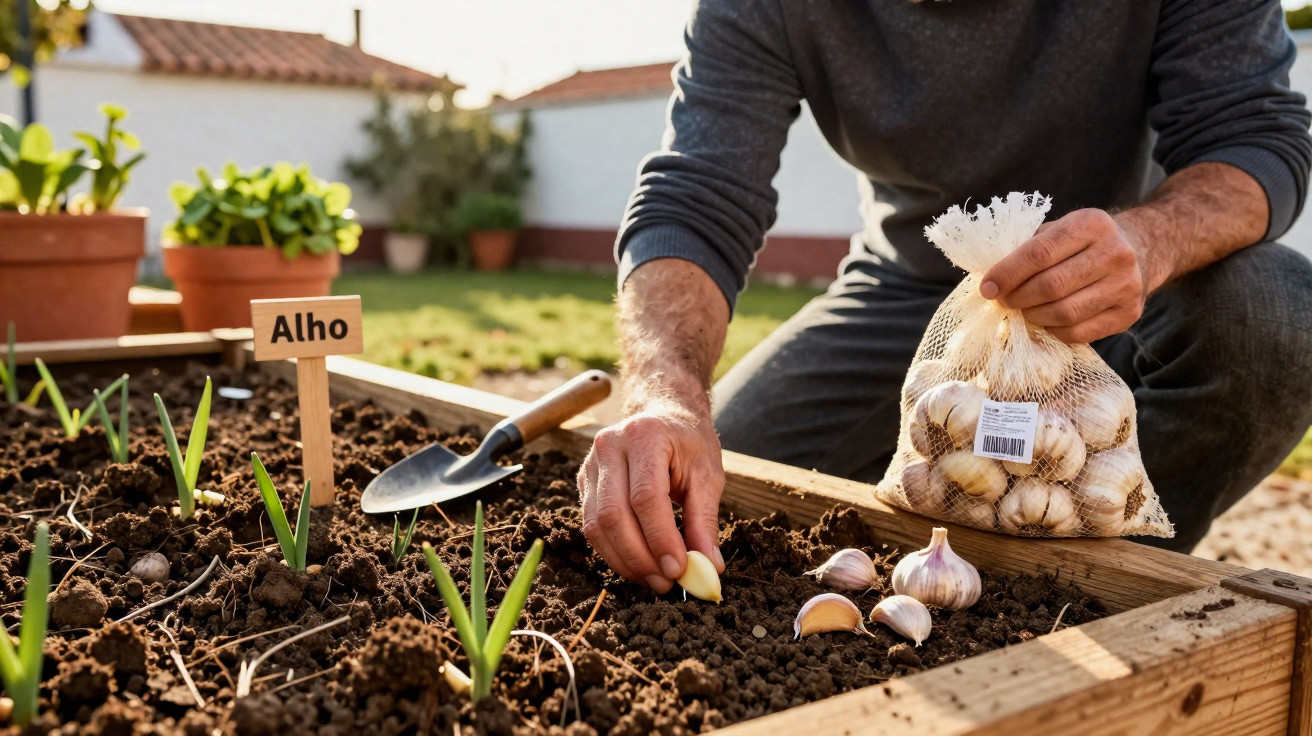
Many amateur gardeners are also interested in whether peppermint oil can be combined with other natural scents. In practice, some alternate between mint, garlic and clove to reduce habituation. There is no clear evidence showing which blend works best. However, changing scents regularly may stop squirrels becoming too accustomed to one particular smell.
Anyone wanting fewer long-term problems with squirrels will benefit from considering the wider picture: open compost heaps, bird feeders that are permanently topped up, easily accessible bins, or densely planted climbing routes along façades. Peppermint oil can therefore form one part of a broader plan – a tool that provides targeted relief, but not the sole answer to the question: “How do I keep squirrels out of my garden?”












Comments
No comments yet. Be the first to comment!
Leave a Comment