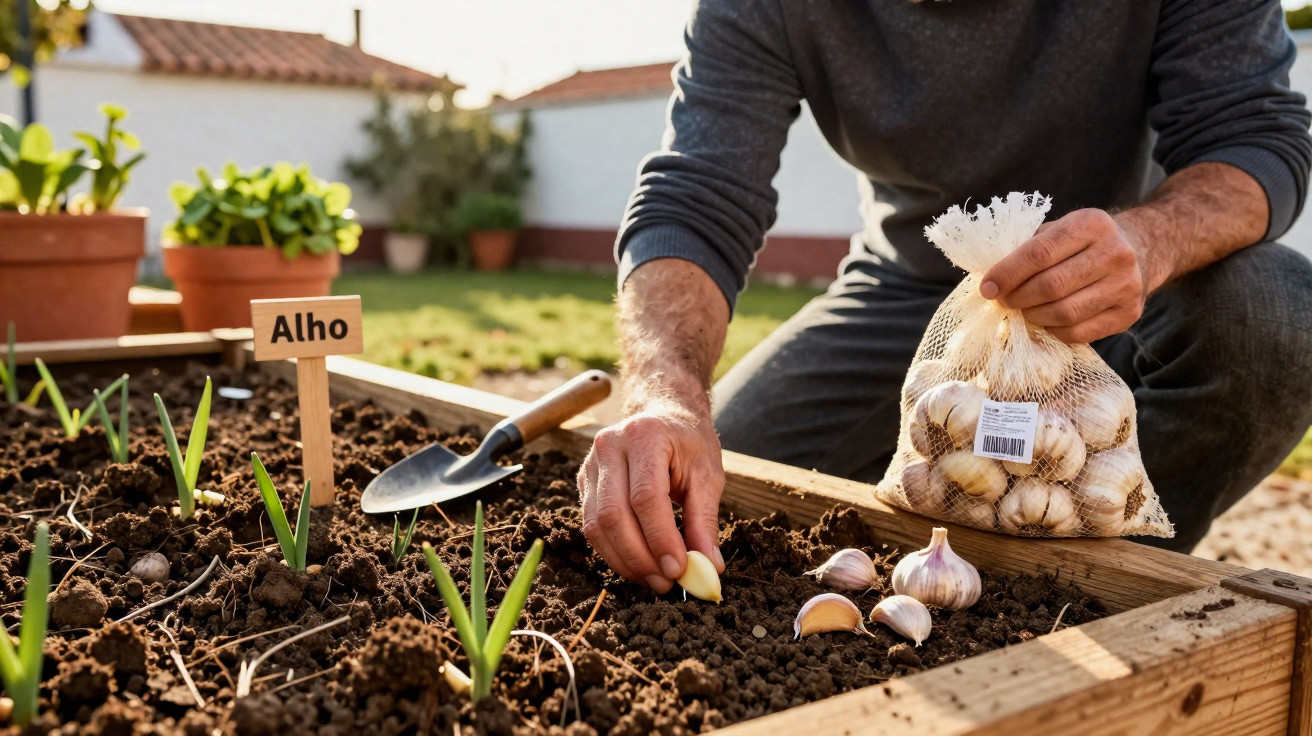
Anyone who enjoys cooking is likely to have garlic at home most of the time. Yet it is often overlooked in the garden, as many people assume they need specialist planting stock from a garden centre. Under certain conditions, however, ordinary supermarket garlic can produce a surprisingly productive garlic row – provided you avoid one common mistake.
Why supermarket garlic is a smart choice for the veg patch
Garlic is among the easiest crops to grow in a vegetable garden. It does not require a premium site, specialist fertiliser or much maintenance. That is exactly what makes it appealing to get twice the use from garlic you have already bought: some goes into the frying pan and the rest goes into the soil.
The key benefit is that supermarket garlic is inexpensive, readily available and ideal for anyone who wants to try growing garlic for the first time. If you cannot get to a garden centre, or only have a small raised bed on a balcony, this gives you an easy way to begin.
“A net of garlic often costs less than a certified planting set – and every individual clove has the potential to grow into a whole bulb.”
It is not entirely without pitfalls, though. Some commercially sold garlic is treated to prevent it sprouting too quickly on the shelf. In a bed, this can be frustrating: cloves may sit in the ground, rot or produce only weak plants. It is therefore worth looking a little more closely and taking a systematic approach.
The most common mistake: unsuitable garlic and waterlogged soil
The two biggest risks are treated garlic and unsuitable, overly wet soil. Together, they can spoil an entire planting and, in the worst case, leave the soil affected by rot-causing fungi for some time.
How to choose the right garlic
To succeed in the garden, you need to be more selective than you would be when buying garlic for cooking. The following signs indicate good planting material:
- Organic garlic where possible: the chance of sprout-inhibiting treatments is considerably lower.
- Firm bulbs: avoid soft patches and slimy areas.
- No signs of mould: neither around the base nor between the cloves.
- Healthy colouring: there should be no dark marks or sunken spots.
Ideally, choose bulbs with fairly large cloves. These will usually develop into stronger plants and larger harvested bulbs.
“Plant large, healthy cloves and put the small ones in the frying pan: sorting them this way improves the harvest with one very simple trick.”
The second issue: waterlogging in the bed
Garlic hates having wet feet. In heavy soil that remains damp, fungal diseases and rot can quickly finish it off. If you then plant a whole bed with supermarket garlic at once, you risk pathogens spreading throughout the area.
The golden rule is therefore: test first, then plant on a larger scale. Set up a small trial patch before committing an entire bed. Also, make sure the chosen site is free-draining and has good drainage.
Step by step: how to plant supermarket garlic correctly
With suitable preparation, you can greatly improve your chances of success. The following steps work well in a home garden:
- Prepare the bulbs: leave the outer skin in place and carefully separate the individual cloves.
- Sort the cloves: reserve large, firm cloves for the bed, and use small or damaged ones in the kitchen.
- Choose the site: select a sunny position with relatively lean soil, ideally sandy or with plenty of loose structure.
- Loosen the soil: dig to at least the depth of a spade, break up large clods and eliminate any risk of waterlogging.
- Planting depth: cover the tip of each clove with around 3–5 centimetres of soil.
- Spacing: leave 10–15 centimetres between cloves and 25–30 centimetres between rows.
In very heavy soil or areas with frequent rainfall, a small raised ridge can help: mound the soil into a ridge roughly 10 centimetres high and plant the garlic on top. Rainwater will drain away more effectively, keeping the cloves drier.
A cold boost from the fridge
One technique used by many professionals is to give cloves a short cold spell before planting. Place them in the fridge for one to two weeks, preferably dry in a paper bag. This artificial “winter” encourages the cloves to sprout faster and more vigorously.
Cloves that show a small white or green shoot after this period have the greatest potential. The remainder can go into the frying pan without hesitation.
“The brief cold period is no substitute for a good site – it cannot turn poor soil into good soil, but it can give healthy cloves a head start.”
How to care for your garlic bed until harvest
Once the garlic is in the ground, it needs very little attention. This crop is ideal for people who do not have time to tend the garden every day.
Water, weeds and nutrients: what garlic really needs
Garlic has shallow roots and is sensitive to continually wet conditions, but it copes well with short dry spells. Only water during prolonged periods of drought. Stop watering altogether a few weeks before harvest so the bulbs ripen more effectively and store better.
Loose, largely weed-free soil matters more than plentiful watering. Light hoeing or hand weeding is sufficient in most cases. Heavy applications of fertiliser are unnecessary. Soil that is too rich promotes leaf growth rather than substantial bulbs.
Keep an eye on pests and diseases
Garlic naturally contains essential oils that deter many pests. Even so, it is not completely immune. In particular, watch out for:
- Rust fungi: orange-brown spots on the leaves; it is best to remove affected leaves early.
- Rot: soft, foul-smelling cloves in the soil, usually caused by sites that are too wet.
A good crop rotation helps prevent problems. Do not plant garlic immediately after other alliums, such as onions or leeks. Ideally, wait at least three to four years before growing garlic or onions in the same spot again.
Harvesting, storing and smart companion planting
Choosing the right time to harvest also determines how well garlic will store later on. Harvest too early and the bulbs stay small; leave them too long and their outer skins split, causing the cloves to dry out more quickly.
How to recognise the ideal time to harvest garlic
A useful guide is this: garlic is ready when around two thirds of the foliage has yellowed and dried back. In many regions, this happens from early to mid-summer.
Important harvesting steps include:
- Harvest only on dry days.
- Carefully loosen the bulbs with a garden fork rather than pulling them out forcefully.
- Gently shake off the soil, but do not wash the bulbs.
- Leave them to dry for several days in an airy, shaded place.
Later, braid the bulbs or tie them into bundles and hang them somewhere airy and fairly cool. Stored this way, your garlic will often remain usable for months.
Where garlic works especially well in the bed
Garlic is particularly well suited to companion planting. It can reduce pest problems for nearby crops while benefiting itself. Typical companions include:
- Carrots: the scent of garlic confuses the carrot fly.
- Strawberries: many gardeners report healthier plants.
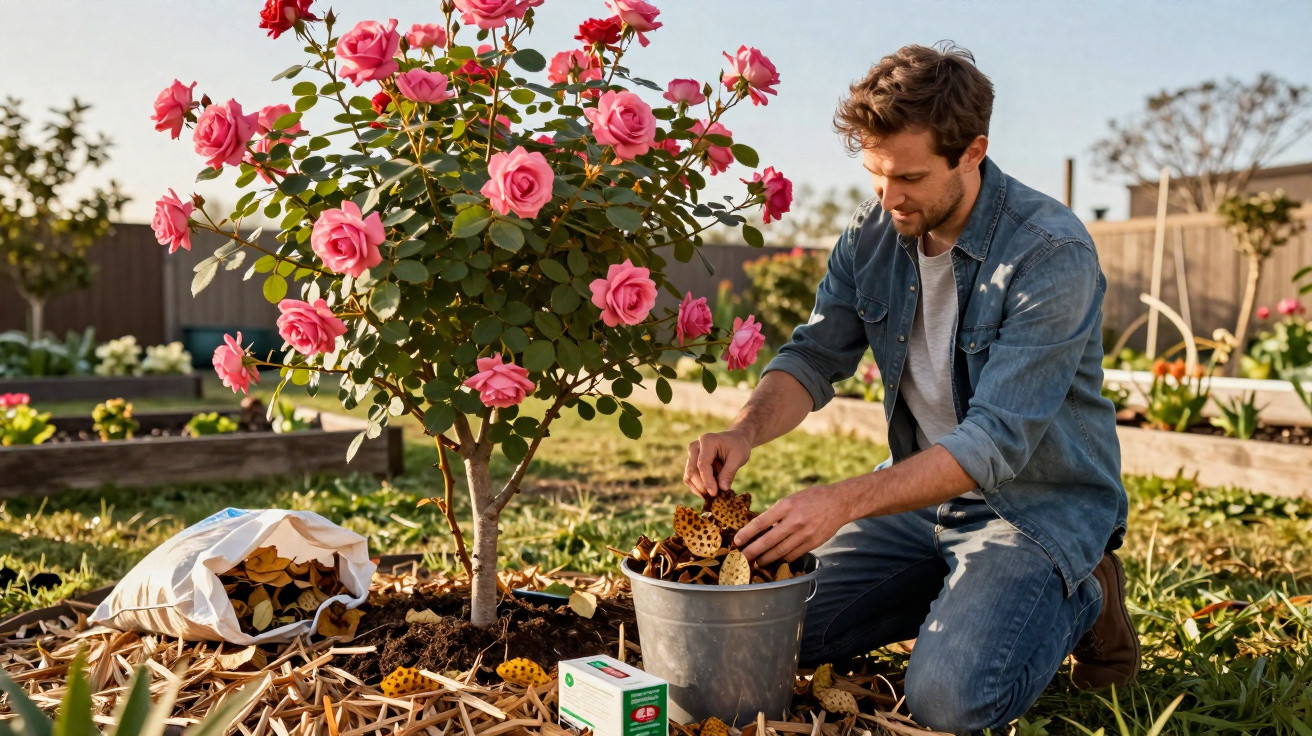
- Roses: garlic is often used here as a natural aid against aphids.
Peas and beans are less suitable neighbours. These legumes do not particularly like garlic’s strong root exudates, and their growth may be slowed.
Why the supermarket garlic trick does more than save money
Using shop-bought garlic again in the garden does not only reduce the cost of planting material. It also cuts food waste while giving you a better understanding of how your vegetables grow. Many amateur gardeners report that, after just one successful season, they hardly buy garlic again because their home-grown crop is more aromatic.
At the same time, this approach is perfect for experimenting: different varieties from different shops, planted in slightly varied locations, soon reveal which conditions work best in your garden. With every season, it is not only the garlic that grows but also your experience – and a simple supermarket net gradually becomes dependable rows full of home-grown bulbs.












Comments
No comments yet. Be the first to comment!
Leave a Comment