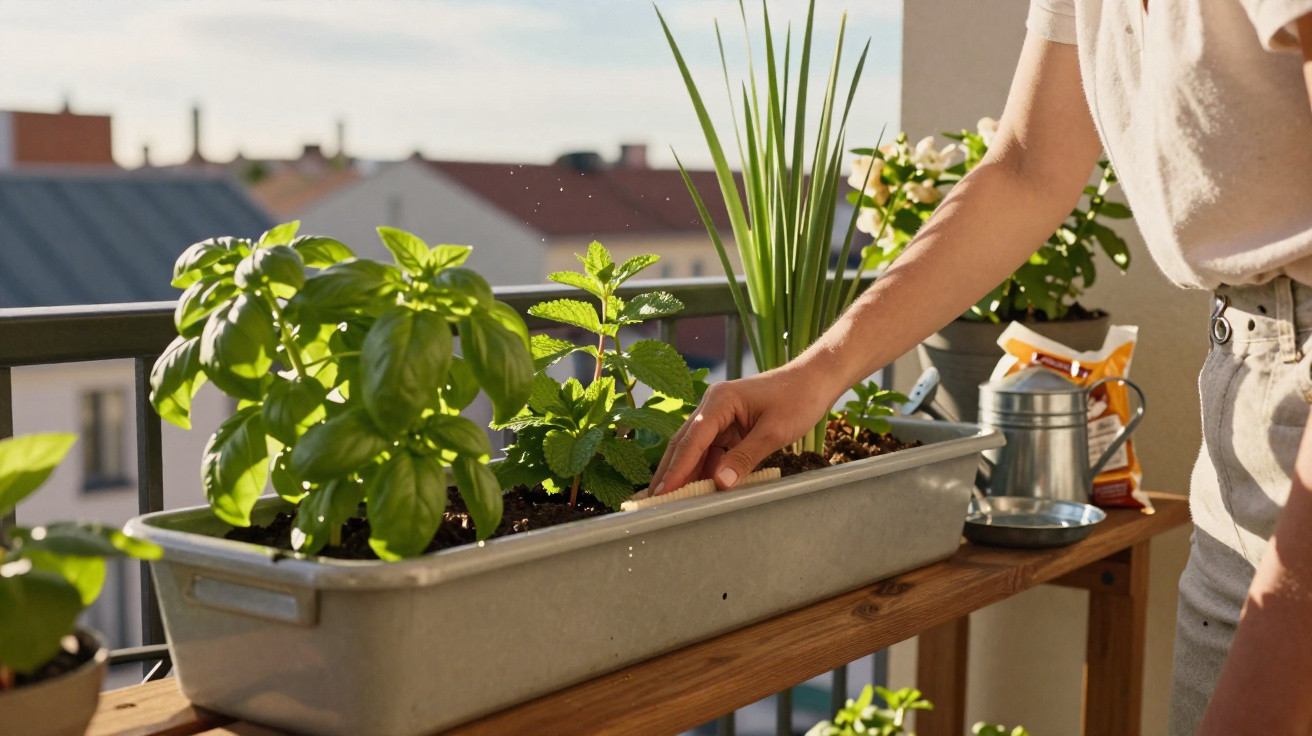
A summer evening, cool drinks and mild air - then comes that irritating buzz right beside your ear.
Anyone with a balcony will know the situation well.
Many people instinctively reach for insect spray, a scented candle or a plug-in repellent. Yet your balcony itself can become a natural protective area: carefully chosen fragrant plants can confuse and deter mosquitoes, while also looking beautiful and smelling wonderful.
How fragrant plants outsmart mosquitoes
Mosquitoes do not find us by chance. They locate people primarily through the carbon dioxide we breathe out and our body odour. This is where certain herbs and fragrant plants come in.
Certain aromatic plants release a dense veil of essential oils that masks human scents and confuses mosquitoes.
The fragrant compounds stored in their leaves evaporate into the air in warmth and sunshine. These molecules block or disrupt the insects’ scent receptors. While we find the aroma pleasant, mosquitoes find it much harder to get their bearings.
A 2023 study by the French research institute INRAE shows that plants positioned correctly on a balcony or windowsill can reduce the number of mosquitoes nearby by up to 45 per cent. This is not a miracle promise, but it is a clear indication that creating a fragrant protective screen with herbs is worthwhile.
Rose geranium and lemongrass: the classic mosquito-repellent pairing
When people think about using a balcony against mosquitoes, geraniums often come to mind straight away. However, not every variety is equally effective.
The “wrong” and the “right” geranium
The familiar balcony geraniums with vivid red flowers look attractive, but they have hardly any mosquito-deterrent effect. Rose geranium, botanically known as Pelargonium graveolens, is where things become interesting.
When touched, its leaves give off an intense fragrance with rose and lemon notes. This particular scent blend is one that biting mosquitoes dislike. Even lightly brushing the leaves releases more aroma, effectively charging the air around a window or balcony door.
Rose geranium acts like an invisible curtain in front of windows and balcony doors - repellent to mosquitoes, yet pleasantly floral and lemony for people.
Lemongrass as a living scent barrier
Lemongrass is the other classic choice. Its long, narrow leaves contain particularly high levels of lemony aromatic compounds that act directly on insects’ nervous systems. Many people recognise the scent from candles or sprays, but the plant is considerably more effective when grown in a pot.
Lemongrass enjoys warmth and sunshine. In the UK, it is happiest in a container placed on the balcony or terrace from May onwards. Bring the container back indoors when frost is forecast.
Together, rose geranium and lemongrass create a strong first line of defence around windows, sliding doors and seating areas.
Herbs with two benefits: protection and flavour
Lemon basil: seasoning and a protective shield
Lemon basil combines the aroma and flavour of classic basil with lemon. That makes it excellent for summer cooking, but much less appealing to mosquitoes.
- tastes great in summer salads
- pairs perfectly with fish and seafood
- enhances fruit salads and sorbets
- works well in homemade iced tea
The sunnier its position, the more intense its aroma becomes - and the stronger its mosquito-repellent effect.
Peppermint: a fresh answer to bloodsuckers
Peppermint is among the easiest mosquito-repellent plants to grow. Its high menthol content creates its distinctively cool scent, refreshing drinks while also discouraging insects.
One point that surprises many people is that peppermint spreads vigorously through rhizomes. Plant it directly into a balcony planter and you may soon have little but mint, with hardly any room left for other plants. It is therefore best grown in its own pot, which can simply be incorporated into the balcony planting.
Peppermint creates a fresh carpet of fragrance - ideal positioned close to seating areas and harvested regularly for drinks.
The ideal mosquito-repellent herb planter
Individual pots can help, but the plants are noticeably stronger as a group. When combined in a larger balcony planter, their scents reinforce one another.
A layout for an 80–100-centimetre planter
- one rose geranium at each end for volume and flowers
- one substantial clump of lemongrass in the centre as a “beacon”
- several lemon basil plants along the front edge
- a separate pot of peppermint placed between them
This creates a lively arrangement of varying heights and leaf shapes. At the same time, the fragrance is distributed in several layers, from ground level up to eye level.
The more varied the herb mixture, the denser the fragrant veil mosquitoes would have to pass through.
The right positioning: the two-metre trick
The effect of these plants is limited by distance. The INRAE study found that protection is measurable mainly within a radius of around two metres from the pots. Your seating and sleeping areas should therefore be located within this zone.
Practical balcony tips:
- place the balcony table directly beside or between the herb planters
- position a recliner so that both your head and legs are inside the “fragrance circle”
- fill windowsills with rose geranium and lemongrass, particularly in the bedroom
- use different levels: floor, table and hanging basket
Using several heights produces a genuine plant curtain that approaching mosquitoes struggle to bypass.
How to care for your green protective shields
Light: no fragrance without sunshine
Most of these fragrant plants need plenty of light and warmth. Five hours of sun a day is a useful guideline. If basil or rose geranium remains permanently in shade, it will grow weakly, produce little aroma and provide hardly any protection.
A south-facing balcony is ideal, although a bright east- or west-facing balcony will also work well. On a deeply shaded north-facing balcony, their usefulness is limited because the necessary intensity of sunlight is often lacking.
Watering: mild stress intensifies the scent
It may sound contradictory, but it is well established: allowing plants to dry out slightly between watering often leads to a higher concentration of essential oils. The plants effectively work harder to protect themselves.
- allow the top layer of compost to dry slightly first
- then water thoroughly until water runs out from the bottom
- avoid leaving standing water in the saucer
- keep basil slightly moister than rose geranium or peppermint
If your balcony receives a great deal of sun during the day, water early in the morning or late in the evening. Less water will evaporate, and the leaves will not suffer heat shock from droplets in blazing sunshine.
What this strategy can - and cannot - do
An important reality check: a balcony will not become completely mosquito-free simply because a few herbs are growing in a planter. The plants can significantly reduce insect numbers, but they do not replace every other measure when mosquito pressure is extremely high.
They do, however, offer several advantages at once:
- fewer chemicals in the air, especially in small flats
- attractive planting instead of plastic traps or plug-in devices
- fresh herbs for cooking and drinks always within reach
- support for urban nature, as many of these plants also attract bees and other beneficial insects
Anyone particularly sensitive to mosquitoes can combine the plant-based approach with fine-mesh insect screens, loose long-sleeved clothing and repellents used where needed. The herbs then provide the basic reduction in mosquitoes, while the rest offers protection in “difficult cases”.
Start now: timing, varieties and small tricks
Spring is the best time to start building a “fragrance barrier”. The plants then have enough time to establish strong roots and grow dense foliage before the peak season in July and August.
Practical tips for getting started:
- buy rose geranium as established young plants rather than growing it from seed
- choose lemongrass from a garden centre as a container plant, so its fragrance is present immediately
- lemon basil and peppermint can easily be removed from small supermarket pots and replanted into larger containers
- regularly rub leaves gently between your fingers to boost the burst of fragrance before an evening on the balcony
One further detail is often underestimated: an overcrowded balcony with still air can sometimes seem like a sheltered courtyard to mosquitoes. Leave ventilation channels between plants and furniture. The scents will then spread more effectively, and the tiny pests will find it harder to “hide” in a corner.
Replanting a few containers and balcony boxes this spring does more than create an attractive visual feature. It also lays the groundwork for calmer, fragrant summer evenings - with more time for conversation and fewer hands waving through the air.















Comments
No comments yet. Be the first to comment!
Leave a Comment