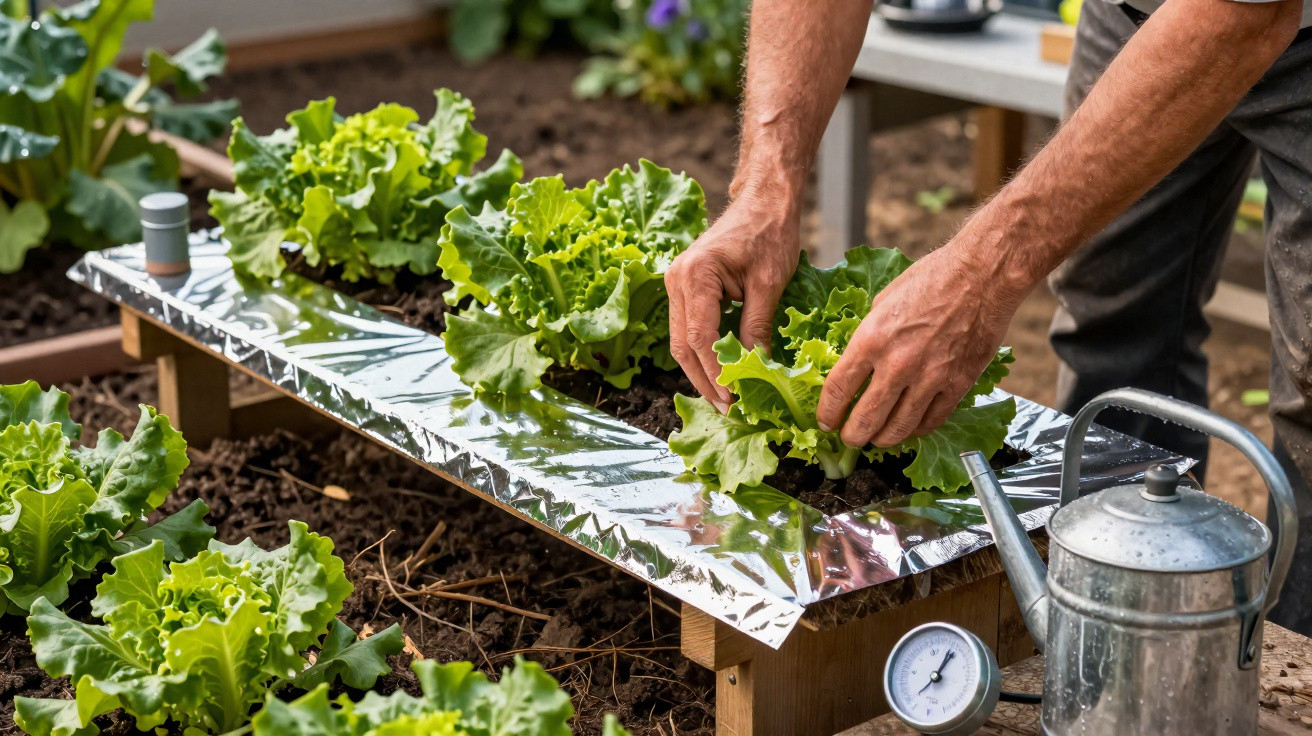
Lettuce plants in home gardens are racing towards flowering several weeks earlier than expected this year, leaving gardeners with bitter foliage and disappointing salad harvests. A straightforward soil-cooling technique, increasingly shared among growers, aims to slow this process and keep lettuces producing leaves for longer.
Why lettuce is bolting earlier than ever
Lettuce has always preferred cooler conditions, yet the climate in which it grows is shifting. Warmer springs, unpredictable heatwaves and increasingly dry ground mean that many gardeners see carefully sown crops go from tender seedlings to flowering stems with remarkable speed.
Bolting is the point at which a plant stops prioritising leafy growth and begins making seed. After this change, its leaves become coarser and more bitter, effectively bringing the crop to an end for many growers.
Lettuce bolts fastest when three triggers combine: rising soil temperature, lengthening daylight and drought-stress around the roots.
Home gardeners cannot reduce daylight hours or entirely escape a heatwave, but soil temperature is more manageable than it might seem. Increasing numbers of gardeners in the UK and US are using a practical approach: cooling the ground around lettuce beds to postpone bolting.
The soil cooling method that gardeners are turning to
The principle is uncomplicated: form a shallow, cool buffer around lettuce roots so that they are not sitting in sun-baked soil. Rather than trying to control the highly changeable air temperature, the technique works on the more stable layer of soil beneath the surface.
Step one: build a shaded soil profile
Bare soil exposed to direct sunshine soon heats the upper few inches. This is where lettuce roots commonly grow and where the signal to bolt can often begin.
Gardeners following this approach aim to shade the ground as well as the foliage. They use a combination of small measures which can collectively lower soil temperatures by several degrees.
- Put a light-coloured, reflective mulch around the plants
- Shape shallow “cool troughs” rather than growing in flat beds
- Put up temporary fabric to screen intense afternoon sunshine
- Water deeply but less frequently, cooling the soil below the surface
When the soil surface stays cool and consistently moist, lettuce behaves as if it’s still early spring, even in June.
Step two: the reflective mulch trick
Rather than using the heavy, dark mulches often chosen for tomatoes and squash, this soil-cooling method uses pale, loose materials that reflect light away from the ground.
Many gardeners spread a 2–3 cm layer of the following around their lettuce rows:
- Shredded unprinted paper or cardboard
- Pale straw or hay, lightly shaken out into a thin covering
- Fine wood shavings or sawdust, used very sparingly
- Composted bark combined with pale grit
This covering shades the earth, slows water loss and limits the midday rise in temperature. As a result, roots can grow in the cooler, slightly deeper soil instead of gathering close to the overheated surface.
Step three: the cool trough bed
Conventional raised beds offer good drainage, but they also heat up rapidly. The cooling technique reverses this arrangement by creating a shallow trough, or valley-shaped bed.
Gardeners rake the soil so that lettuce plants sit 2–5 cm below the surrounding path or border. These raised edges provide a low barrier that shades the root area during the hottest part of the day.
| Bed type | Typical effect on soil | Best use |
|---|---|---|
| High raised bed | Drains and warms rapidly | Tomatoes, peppers, Mediterranean herbs |
| Level bed | Moderate moisture and temperature | Mixed vegetables in mild climates |
| Cool trough bed | Holds moisture, shields root zone from direct sun | Lettuce, spinach and other bolt-prone greens |
During hot weather, gardeners say that soil in these shallow troughs feels distinctly cooler by late afternoon than soil in nearby level beds.
Timing, varieties and watering: the three levers you control
Choosing calmer varieties
Soil cooling is most effective alongside varieties that naturally take longer to bolt. Seed catalogues now identify these selections clearly, and many were developed specifically for warmer summers across Europe and North America.
Lettuces that generally respond well to cooled soil include:
- Loose-leaf lettuces including ‘Salad Bowl’, ‘Red Sails’ and ‘Black Seeded Simpson’
- Romaine varieties described as “summer” or “heat tolerant”
- Butterhead lettuces bred to provide a longer harvesting period
Combining these varieties with a cooled root zone lets gardeners continue harvesting into early summer, rather than suddenly losing plants when the first brief heatwave arrives.
Starting early, then holding the line
This technique works best with an early sowing plan. Many gardeners begin their main lettuce crop under cover in late winter, harden off the young plants, and move them into cooled beds as soon as the ground is workable.
The objective is straightforward: allow plants to establish strong roots while temperatures remain low, then preserve that cool root-level signal as the air starts warming.
Think of soil cooling as pressing “pause” on the plant’s urge to set seed, just as the warmer months begin.
Water as a temperature tool, not just a thirst-quencher
Watering is often an automatic response to wilted leaves. With the soil-cooling approach, however, it is used to regulate the conditions beneath the ground.
Gardeners using the method generally:
- Water early in the morning, allowing moisture to penetrate deeply before temperatures climb
- Thoroughly soak the bed once or twice weekly rather than lightly sprinkling every day
- Direct water at the soil around the plant base instead of the leaves
Deep watering draws cooler moisture from lower levels upwards and stops the surface from becoming a dry, hot crust. Beneath a light mulch, this cooling effect can remain for several days.
How this trend reached kitchen gardens
This idea is not simply a product of allotment chat. Commercial salad producers have used versions of soil cooling for years, even if they do not describe it in those terms.
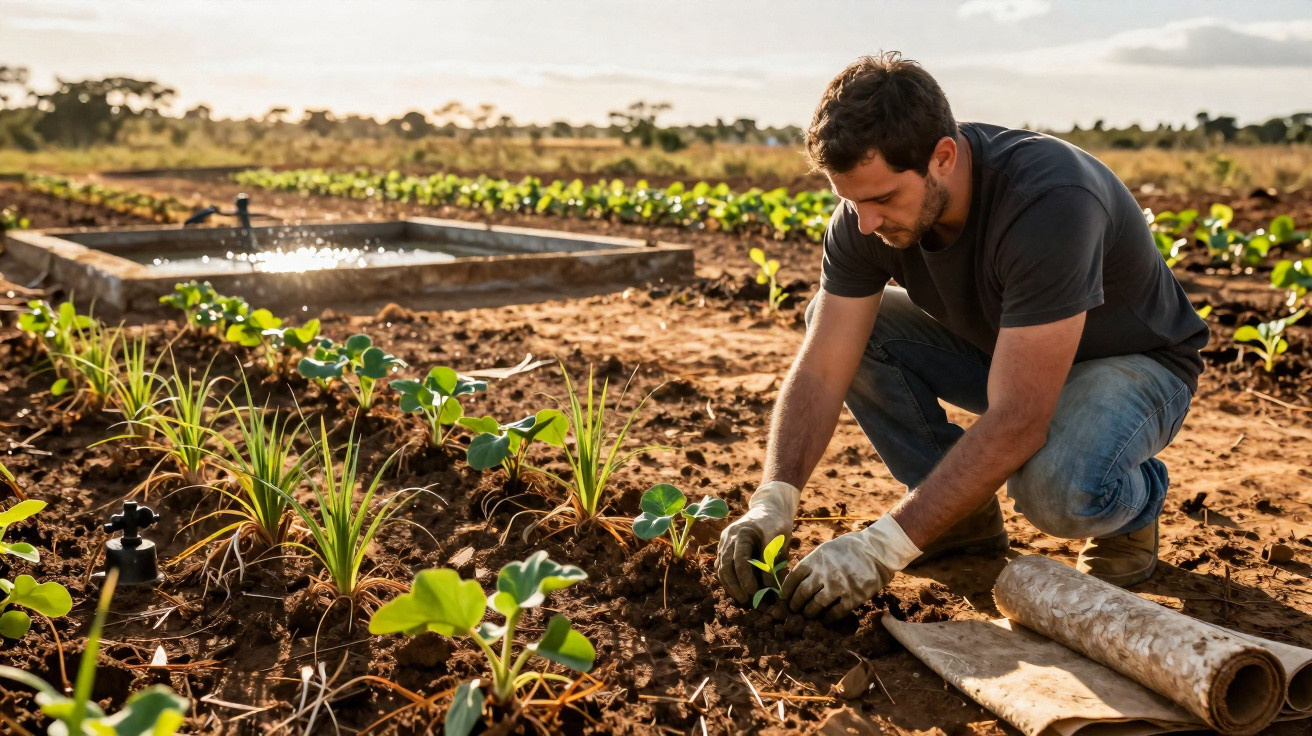
On larger farms, growers use shade cloth, drip irrigation and substantial organic matter to maintain a stable, cool root zone. The domestic version reduces this system to its most achievable elements, using materials that a small-scale gardener can readily source.
Social media has helped the method spread quickly. Brief videos showing hands pressed into damp, shaded soil beside thriving rows of lettuce circulate widely through gardening communities in the UK and US. Many feature two adjacent beds: one uncovered and already bolting, the other mulched and still yielding tender leaves.
The contrast between bare and shaded soil in the same garden has convinced many sceptical growers faster than any trial data.
Risks, trade‑offs and what to watch for
As with most garden techniques, soil cooling involves compromises. Moisture-retaining mulch can also attract slugs, particularly in wetter areas. Where slug pressure is severe, gardeners often opt for coarser, drier materials such as straw and maintain a sufficiently thin layer to inspect beneath it regularly.
There is also a practical limit to how much longer this method can extend the lettuce season. In prolonged heatwaves in southern parts of the US and in warmer UK microclimates, cool soil may delay bolting but cannot prevent it altogether. Some gardeners therefore regard early-summer lettuce as a quick crop before changing to alternative leafy vegetables once temperatures prevail.
Crop rotation remains important too. Persistently damp, shaded conditions can encourage certain fungal diseases if lettuces or other leafy crops are grown in the same place every year. Following them with another plant family, such as beans or root vegetables, in the next season helps restore balance to the bed.
Beyond lettuce: using soil cooling across the garden
Once growers understand that the underground climate can be managed, they frequently use the same principles elsewhere in the garden. Coriander, rocket, spinach and some Asian greens also benefit from similar care, retaining their flavour for longer into summer.
Some home gardeners now divide their plots into temperature zones. Hot, free-draining areas are reserved for warmth-loving crops such as aubergines and peppers, while cool troughs with reflective mulch support salads and herbs that previously faded by June. Instead of functioning as one uniform space, the garden becomes a series of microclimates tailored to the plants growing in each.
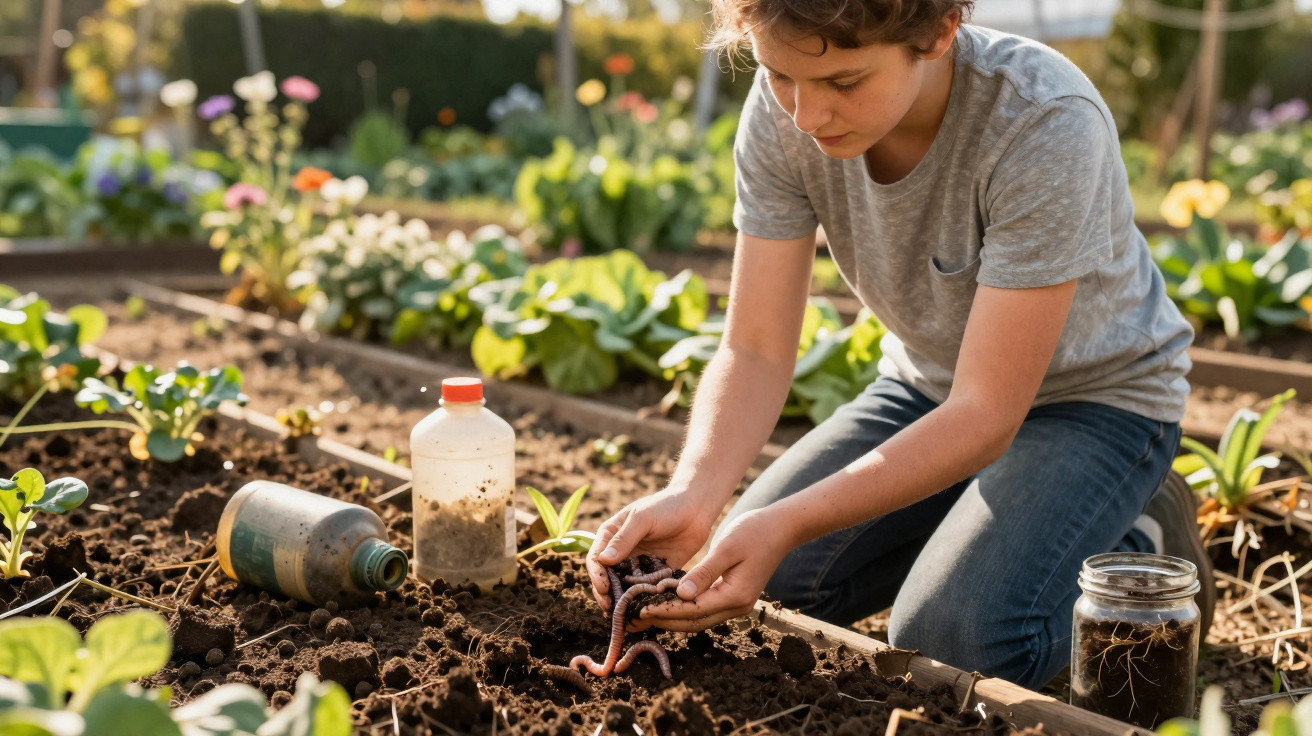
This change in thinking also brings another benefit. Focusing on soil temperature encourages gardeners to create deeper, more fertile ground year after year. Organic matter, including compost, leafmould and well-rotted manure, works as insulation by reducing temperature fluctuations and protecting fine feeding roots. The same approach that slows lettuce bolting therefore also benefits worms, microbes and the wider network of life beneath the soil.
For novice gardeners overwhelmed by guidance on pH, fertilisers and precise sowing dates, soil cooling provides a more instinctive entry point. The difference can be felt by hand, observed in plant behaviour from week to week, and adjusted area by area without purchasing costly equipment.
As summers become more unpredictable, practical changes of this kind may become routine in kitchen gardens. Shading the ground, forming troughs and using water with soil temperature in mind could shift from being a clever technique to a standard practice, particularly for those relying on home-grown salads throughout summer.













Comments
No comments yet. Be the first to comment!
Leave a Comment