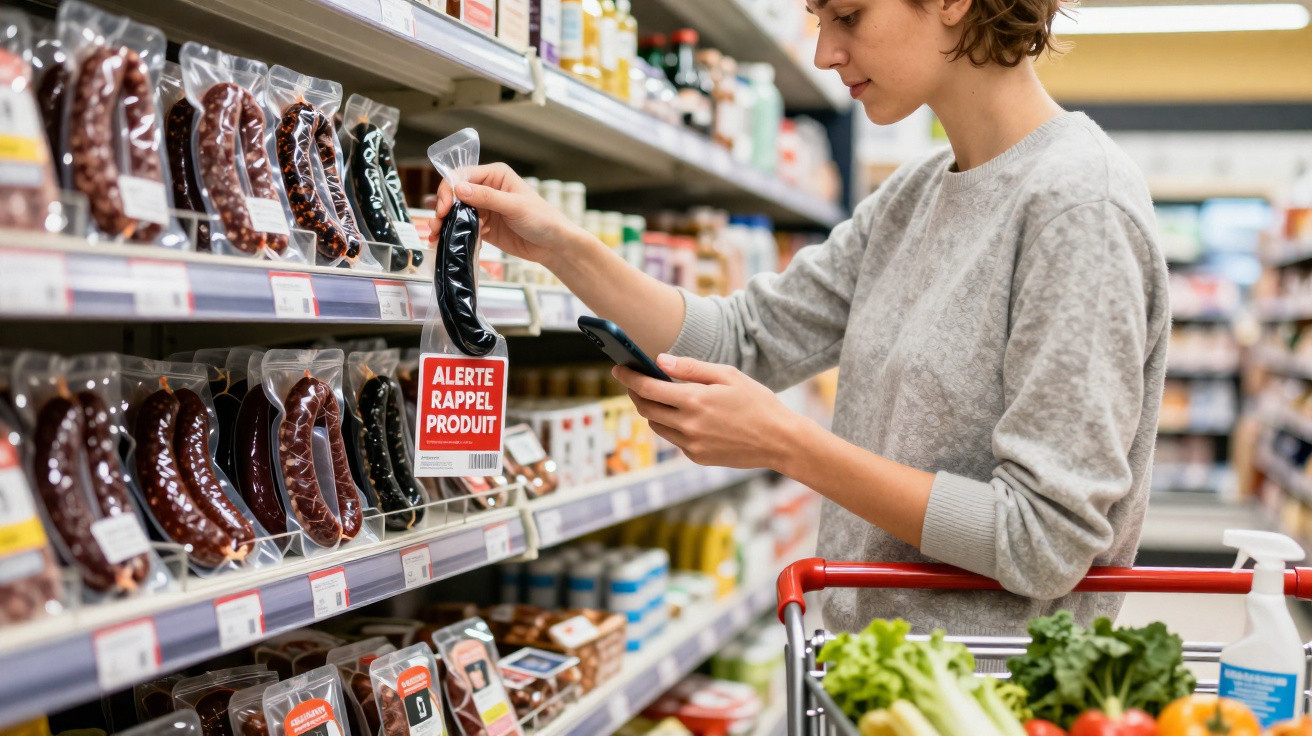
A straightforward winter meal, familiar in French markets, has acquired an unwelcome ingredient and become the subject of a nationwide warning.
French health authorities have announced a recall of batches of boudin noir sold by major supermarket chains following suspected contamination with a dangerous bacterium. Shoppers who visited the chilled aisles at Leclerc, Intermarché, Système U and other stores in recent weeks should now carefully check what they brought home.
Boudin noir recall at major French supermarkets
The warning was issued through the official Rappel Conso website, the French government platform for food and consumer-product safety alerts. Published on 23 January 2026, the notice specifically concerns boudin noir, a sausage made from pig’s blood that is widely enjoyed in France grilled, in stews or in more elaborate dishes.
This is not a familiar branded product. Instead, the recall covers preparations supplied to several retail chains and some wholesalers across France, sold either loose or in vacuum-packed packaging.
Batches of boudin noir sold between 9 and 22 January 2026 are being removed from shelves because of a risk of contamination with Listeria monocytogenes.
Which boudin noir products are affected
Three specific types of boudin noir are included in the recall. Each is sold in vacuum packs weighing approximately 1.7 kg and does not display a manufacturer’s brand for the end consumer.
Products named in the warning
- Boudin noir oignon VPF brasse 1.7 kg (boudin noir with onion)
- Boudin noir à l’ancienne 1.7 kg (traditional-style recipe)
- Boudin noir crème brasse anc 1.7 kg env. (cream version)
The products were supplied to:
- Leclerc supermarkets
- Intermarché
- Système U
- Match
- Some wholesalers in several regions of France
As these items are often repacked into trays or sold from a service counter, consumers may find it difficult to trace their origin. For that reason, the government has released the barcodes (GTINs), batch numbers and use-by dates to make checking easier.
| Information | Details |
|---|---|
| Sale period | 9 to 22 January 2026 |
| GTIN codes | 3346650201112, 3700912303608, 3346650201174 |
| Batch numbers | 000011480281, 000011480848, 000011480853, 000011481480 |
| Use-by date (DLC) | 27 to 29 January 2026 |
Anyone with boudin noir at home carrying a use-by date in late January 2026 should check labels, codes and batch numbers particularly carefully.
The contamination risk: what is Listeria monocytogenes?
The recall follows the suspected presence of the bacterium Listeria monocytogenes, which causes listeriosis. This foodborne infection is a major concern for health authorities because it can result in serious illness, especially among more vulnerable groups.
Unlike many bacteria that multiply only at room temperature, Listeria has a troublesome characteristic: it can survive and even grow at refrigerator temperatures. As a result, ready-to-eat chilled foods such as cured meats, soft cheeses and prepared meals frequently feature among sensitive products.
Symptoms requiring attention
According to the guidance published in the French warning, anyone who ate the listed boudins and subsequently develops symptoms consistent with infection should seek medical assessment promptly. The most commonly cited symptoms are:
- Fever, even if mild
- Persistent headaches
- Muscle discomfort and unexplained body aches
In healthy people, listeriosis may appear as a flu-like illness or mild gastroenteritis. However, the risk is higher for pregnant women, older people, people with weakened immune systems and those with chronic illnesses: severe infections, septicaemia and neurological complications are possible.
Pregnant women are a group requiring the greatest vigilance: Listeria infections can cause miscarriage, premature birth or infection in a newborn baby.
What to do if you bought the product
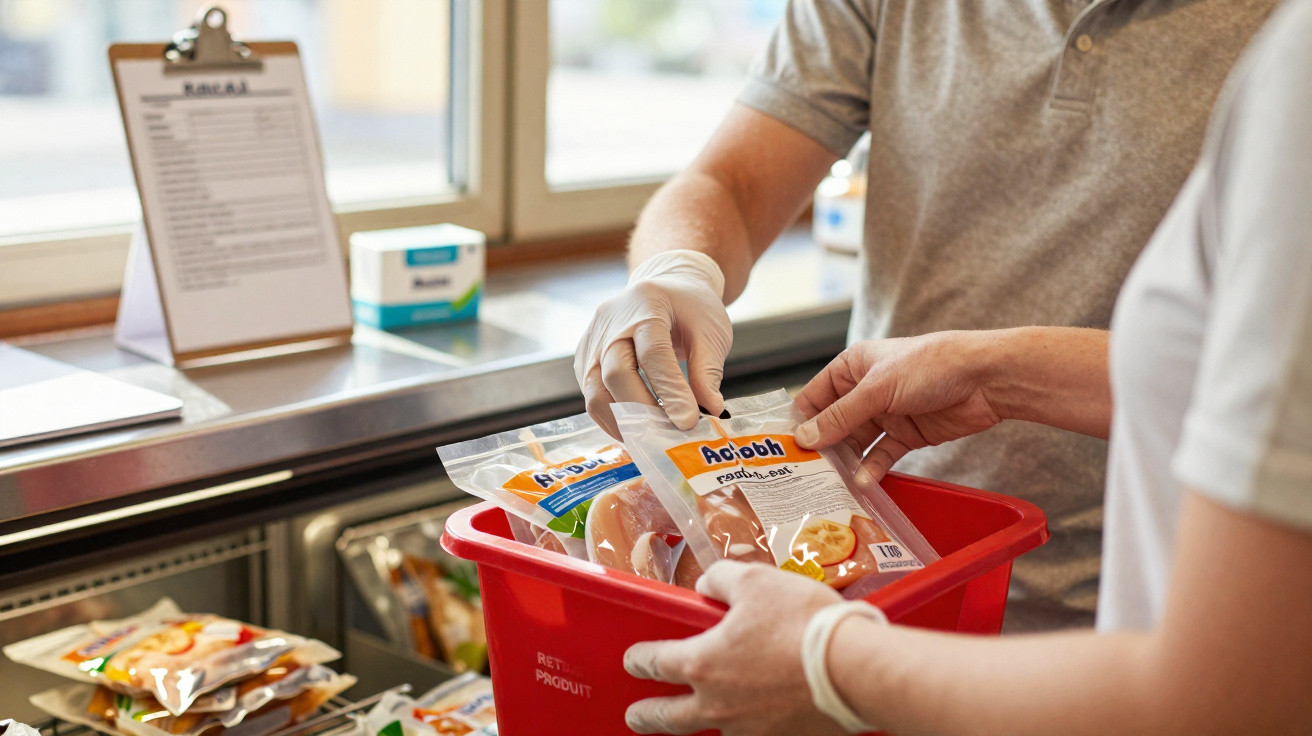
Anyone who recognises the product from its description, or finds matching dates and batch numbers, has two immediate options: dispose of the food or return it to the shop where it was bought. The affected chains are said to be arranging refunds for packaging returned by 12 February 2026.
Even if the product looks normal, with no unusual smell or visible change, it should not be eaten. Listeria contamination does not necessarily affect the food’s flavour or texture.
- Do not taste “just a small piece” to test it.
- Do not give the food to other people or animals.
- If unsure, treat disposal as the safest option.
The official notice also provides a French consumer contact number, 06 15 85 21 40, for questions specifically related to the recall.
Why food recalls are becoming more common
In recent years, France has seen repeated recall notices involving everyday foods, including fruit with pesticide residues above permitted limits, contaminated dairy products and tinned foods presenting a risk of food poisoning, among others. The same pattern is visible in several European countries and in Brazil.
One explanation is the strengthening of traceability and monitoring systems. More frequent laboratory testing, data matching and public warning platforms mean that issues which previously might have gone unnoticed now reach consumers quickly.
At the same time, production and distribution chains have become longer and more complex. A single supplier may serve dozens of brands and retail chains, spreading contamination risk from one critical point in production.
How to reduce the risk of contamination in everyday life
The boudin noir recall in France is a broader reminder for anyone who eats cured meats and chilled ready-to-eat foods, wherever they live. A few practical measures can help to lower the risk:
- Check use-by dates carefully, particularly on charcuterie and prepared meals.
- Keep sensitive foods properly chilled and avoid leaving them out of the refrigerator for long periods.
- Read notices displayed in shops and follow official recall channels in your country.
- Thoroughly heat animal products whenever possible, as intense heat reduces the microbial load.
- Take extra care over the diets of pregnant women, older people and those with weakened immunity.
For boudin noir and other fresh sausages in particular, consumption generally follows some form of cooking or grilling. Nevertheless, where Listeria is suspected, the authorities’ advice is usually unequivocal: do not eat the affected batch, as shortcomings in home preparation may not remove the risk entirely.
Understanding recall terms and common scenarios
Two terms occur regularly in these cases: “DLC” and “GTIN”. In French, DLC means “date limite de consommation”, equivalent to a use-by date, and is applied to highly perishable foods. Once that date has passed, the product should not be consumed, even if it appears to be in good condition.
GTIN, meanwhile, is the number that uniquely identifies a product within barcode systems. In a recall such as the boudin noir case, the code acts as a kind of food ID number, helping consumers identify the exact item affected even when its name seems generic.
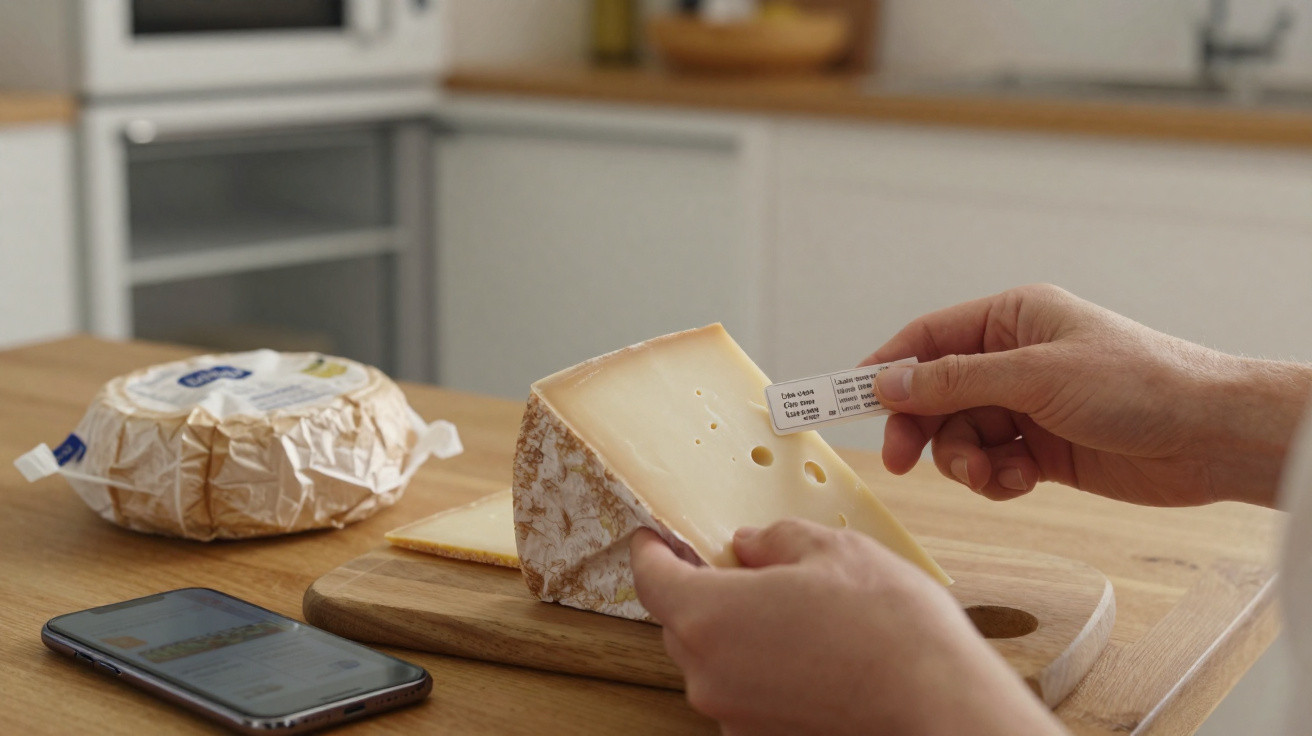
A common situation involves a family completing a large weekend shop, storing products in the freezer or refrigerator and then seeing a warning in the media days later. The most prudent response is to clear the shelf where the suspect food is stored, inspect every label, note the dates and batch numbers, and, where there is a match, follow the official advice, even if that means throwing food away.
Another less discussed issue is the cumulative effect on consumer confidence. Repeated recalls involving meat, milk, fruit and preserved foods can encourage behaviours such as reducing the consumption of processed products, favouring known local producers or cooking more meals at home with fresh ingredients. Over time, this shift may affect both public health and food production chains.














Comments
No comments yet. Be the first to comment!
Leave a Comment