Plant potatoes at the wrong time and you can easily lose half the crop – a professional explains what really matters.
In spring, many amateur gardeners anxiously watch the calendar: plant now or wait a little longer? Rather than relying blindly on a date, it is worth assessing the soil. The official planting period is not what matters; instead, there are several clear signs that even beginners can spot with very little effort.
The right time for planting potatoes: let the soil, not the calendar, decide
Although garden centres print planting months on their bags, conditions in a garden can be very different. During a cold spring, the soil may still feel wintry at the end of March, while in milder areas it can already seem almost like early summer. Potatoes are sensitive to cold, particularly when they are getting established.
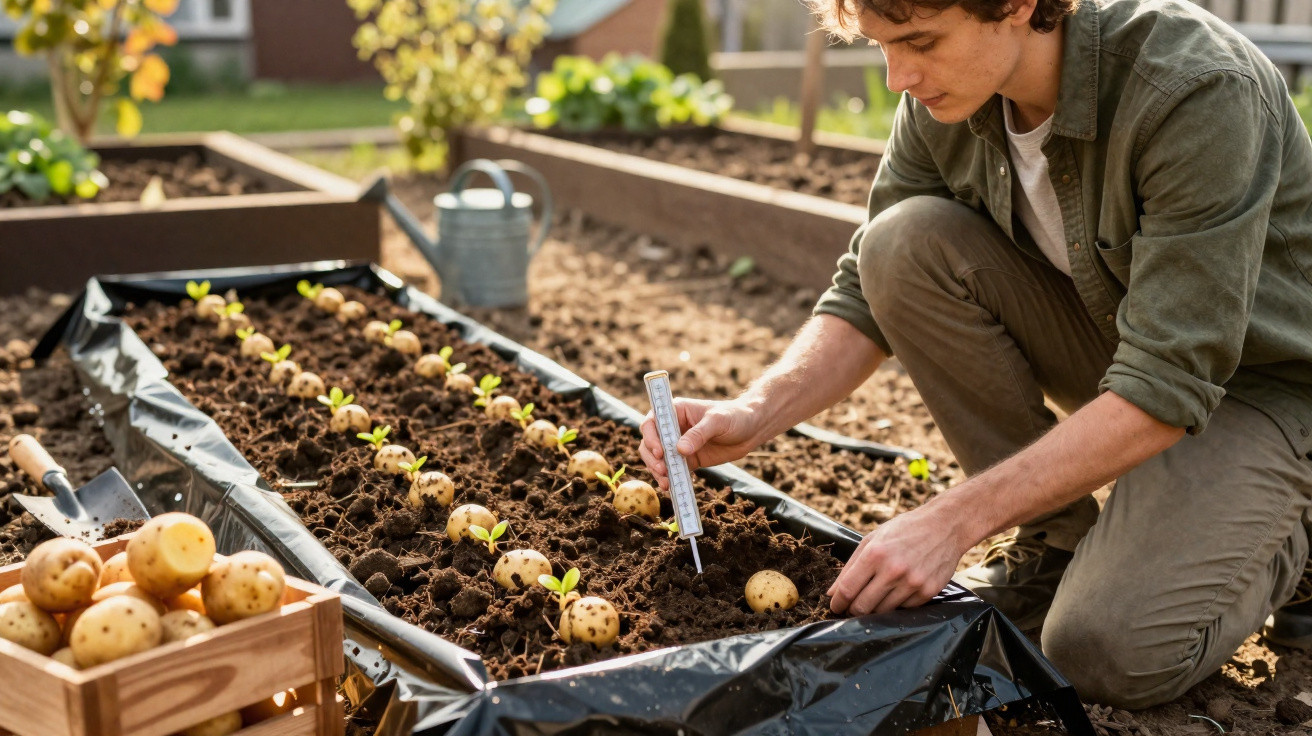
The golden rule: potatoes should go into the ground once the soil is at least 7 to 10 degrees warm at a depth of 10 centimetres and severe frosts are no longer expected.
Professional gardeners check this with a simple soil thermometer. If you do not own one, try a practical alternative: pick up a handful of soil and work it through your fingers, then sit on the bare ground for a few minutes. If you quickly become cold, it is still too early. If you can sit there comfortably, planting time is getting close.
Typical planting windows by region
Soil temperatures develop very differently from one region to another. The following are useful, practical guidelines for central European conditions:
- Mild coastal areas and warmer river valleys: usually from late March
- Mid-altitude areas and typical urban gardens: around mid-April
- Cooler regions and higher ground: often not until early to mid-May
Experienced gardeners would rather wait an extra week than begin too soon. Tubers planted early into icy, wet ground can rot easily, or emerge so slowly that potatoes planted later readily overtake them.
Getting an earlier start with black mulch film
Anyone keen to enjoy their first home-grown early potatoes sooner can give the soil a little help. Dark, ideally black mulch, such as purpose-made garden film, absorbs heat from the sun and transfers it to the ground.
This can often raise the soil temperature by 2 to 3 degrees. That may sound insignificant, but it makes a noticeable difference in spring. In practical terms, it can bring planting forward by one to two weeks without harming the tubers.
The soil: loose, nutrient-rich and not overly wet
Potatoes need loose, well-aerated ground if they are to produce large tubers. In heavy, sticky soils, growth is often restricted; tubers remain small and are more prone to rotting.
The ideal is a well-structured, crumbly soil that is easy to crush in your hand and does not stick together as a hard, wet ball.
A simple garden soil test
You can carry out a quick check without sending anything to a laboratory:
- Take a handful of soil from a depth of 10 to 15 centimetres.
- Squeeze it in your hand.
- Observe what happens.
Here is what the results mean:
- It forms a heavy, sticky ball: the soil has a very high clay and loam content and is too compact.
- The ball immediately crumbles apart again: the structure is good, and potatoes will thrive here.
- The soil runs through your fingers almost like sand: it is very light soil and needs more organic material to retain water.
Making heavy soil suitable for potatoes
Ideally, professionals begin this work in autumn. They dig in 3 to 4 centimetres of well-rotted compost, add a little sand if needed, and leave the plot to rest over winter. Rain and frost then do the remaining work of improving the soil structure.
Another factor that is often underestimated is the crop break. Potatoes should not be grown in the same place again for at least four years. This interval lowers the risk of diseases such as potato blight and reduces the number of pests in the soil.
Good seed potatoes: why supermarket tubers are rarely suitable
The temptation is understandable: there are sprouting eating potatoes in the kitchen cupboard, so why not simply put them in the ground? Experts advise against it. Potatoes sold for eating have often been treated to prevent sprouting or may carry hidden diseases.
Anyone seeking high yields and healthy plants should choose certified seed potatoes from a garden centre.
These potatoes have been inspected for common potato diseases and specifically prepared for growing. As a useful guideline, 1.5 kilograms of seed potatoes will usually produce 10 to 20 kilograms in a home garden, and even more with good care.
Chitting: a small boost for early harvests
Chitting the tubers is a proven professional technique. It gives the plants a head start of several weeks. Here is how to do it:
- Start 4 to 6 weeks before the intended planting date.
- Arrange the tubers loosely in egg boxes or shallow trays.
- Keep them somewhere bright but cool, for example in a frost-free, well-lit hallway.
- After several weeks, firm shoots measuring 1 to 2 centimetres should be visible.
Plants started from these chitted tubers grow away much more quickly after planting. Early potatoes benefit particularly noticeably.
Planting day: how to plant potatoes properly
Once the time is right, the hands-on work begins. First, choose a spot in full sun that does not remain waterlogged for days after rainfall. Standing water is one of the potato plant's greatest enemies.
Spacing, depth and direction: the key measurements
The following dimensions have proved effective in a home garden:
| Parameter | Recommendation |
|---|---|
| Planting depth | 8–10 cm |
| Spacing within the row | 30–35 cm |
| Distance between rows | 60–70 cm |
Place the tubers in a lightly dug furrow with the shoots facing upwards. Cover them with soil so that they are completely kept in the dark. Exposure to light creates green, toxic areas on the tubers, and nobody wants those on their plate.
Earthing up: the yield booster many gardeners overlook
As soon as the foliage is around 20 centimetres tall, it is time for the next crucial task: earthing up. Use a hoe to pull soil towards the plants, creating a small ridge. Repeat the process a second time after a few weeks.
Earthed-up potatoes produce more tubers, stay better protected from light and do not dry out as quickly in hot weather.
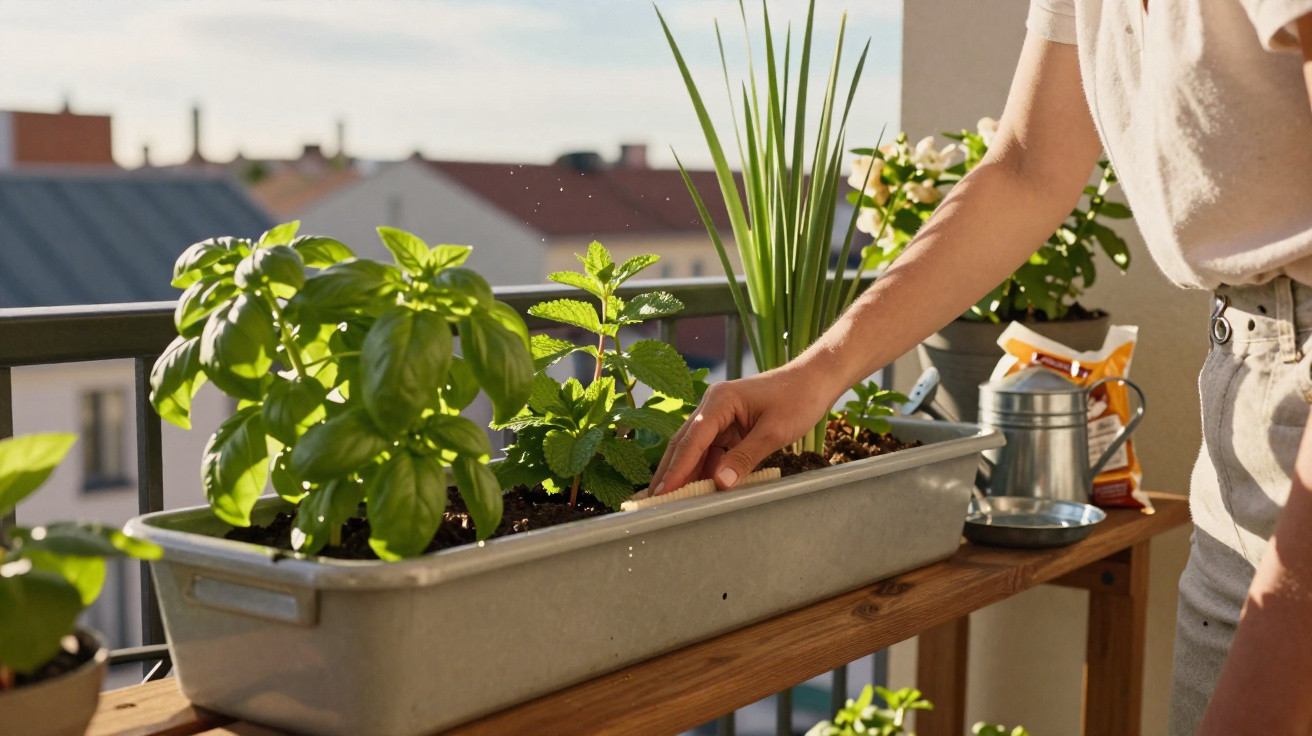
This method is not restricted to conventional beds. Small ridges can also be made around plants in raised beds or large containers on a balcony, using loose soil or a mix of soil and compost, for example.
Potatoes in containers, bags or raised beds: more harvest from limited space
A traditional garden is not essential for growing your own potatoes. Growing bags, builder's tubs, sturdy baskets and deep containers all work surprisingly well. The important points are:
- Use a container with drainage holes.
- Add a drainage layer, such as gravel or expanded clay pellets.
- Put a loose mix of garden soil and compost on top.
- Plant the tubers, then gradually add more soil as they grow.
This allows the plant to grow upwards through the container, as it were. Each fresh layer of soil creates new areas for tubers to develop. The principle resembles earthing up in a bed, but in a compact space.
Common mistakes – and easy ways to avoid them
Most disappointments in a potato patch stem from a handful of recurring errors. Knowing them already gives you a strong advantage:
- Soil that is too cold: tubers rot or sprout very late.
- A permanently wet plot: encourages rot and fungal diseases.
- No crop rotation: diseases and pests build up.
- No earthing up: tubers turn green or remain undersized.
- Eating potatoes used as planting stock: increases the risk of introducing disease into the bed.
Even small changes, such as selecting another place in the garden, improving soil preparation or using certified seed potatoes, can deliver far more reliable yields. Those who also follow soil temperature rather than sticking rigidly to the calendar will usually notice the difference after just one season.
Why soil temperature and sunshine have such a strong effect on the harvest
Potatoes originally come from considerably warmer regions. Tubers only perform well when their roots receive enough warmth, oxygen and nutrients. Soil that is too cold slows root activity and, as a result, the entire plant. It stays small, develops fewer tubers and is more susceptible to disease.
A sunny position with airy soil that is not too heavy, by contrast, gets growth moving. The plant develops a strong root system that makes use of the entire available soil area. At the end of the season, you will notice the difference with every spadeful you lift.












Comments
No comments yet. Be the first to comment!
Leave a Comment