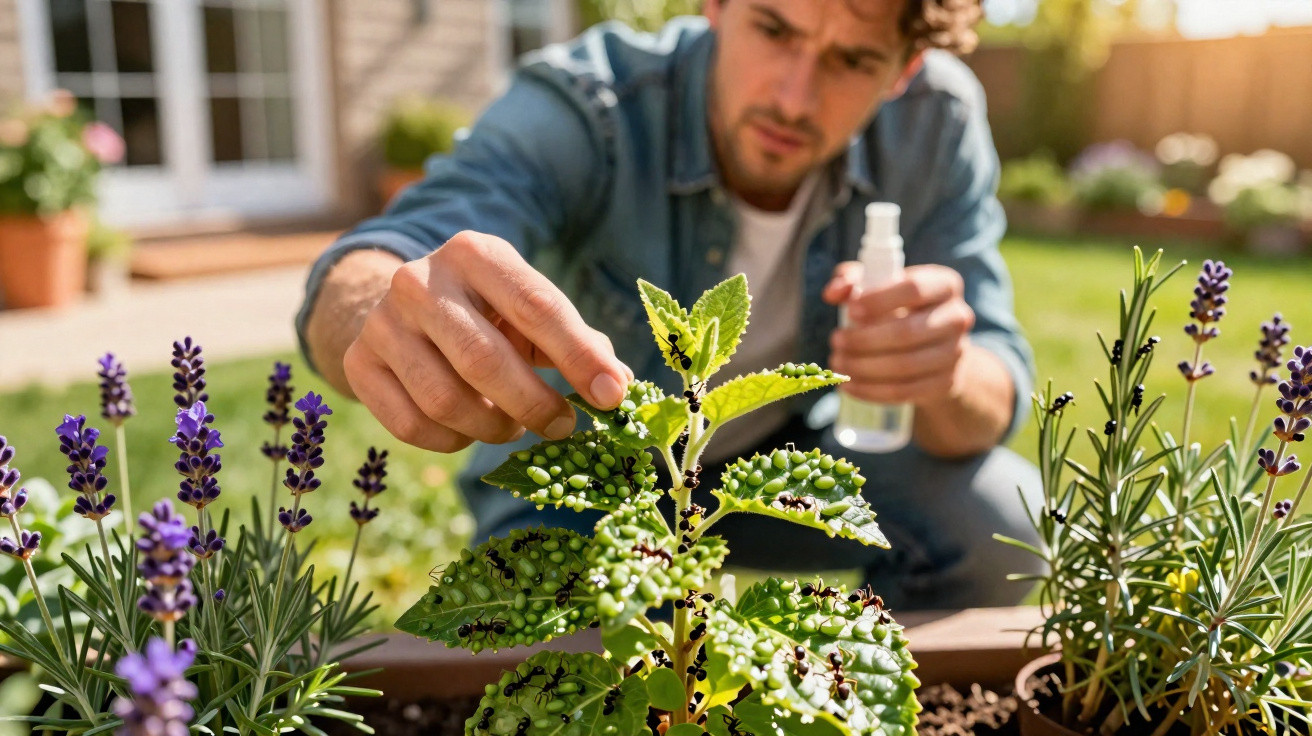
Sprinkle powder, set traps, pour home remedies into the flower bed – and the ants still return. The reason often lies not in the soil but in the planting plan: certain ornamental and fruit plants act like a buffet with free delivery for ants.
Why ants suddenly seem to be everywhere
For many people, ants are the first real nuisance in the garden. They build nests between patio slabs, pile up sand on paths and appear in the kitchen seemingly out of nowhere. This is not entirely accidental.
What matters is what grows in the garden and which other insects thrive there. Once you understand these connections, it quickly becomes clear why a handful of ants can soon turn into a full-scale invasion.
Ants rarely arrive “for no reason” – they follow food trails laid out for them by particular plants and pests.
The secret alliance between ants and aphids
The real force behind ant colonies in flower beds is not the ants themselves, but aphids. These insects feed on plant sap and excrete a sugary liquid known as honeydew. To ants, it is much like syrup.
Ants effectively “milk” aphids, protect them from predators and even carry them to fresh plants. Anyone with aphids in their garden is therefore practically inviting ants in as well.
These plants attract aphids – and therefore ants – particularly strongly
The following plants in particular are considered genuine aphid magnets:
- Roses – a classic flower-bed plant, but almost as tempting to aphids as an all-you-can-eat buffet
- Fruit trees such as apple and plum – aphids often gather here on young shoots and beneath leaves
- Berry bushes such as raspberries and redcurrants – soft tissue and plenty of sap make them ideal for aphids
Wherever there are large numbers of aphids, ants will sooner or later appear. Monitoring these areas of the garden helps you spot the first signs of a developing problem early.
Which plants attract ants most
As well as honeydew from aphids, plant sap and fallen sweet fruit remnants also draw ants in. Certain plants repeatedly come under the spotlight.
Typical ant magnets in the garden
| Plant | Why ants love it |
|---|---|
| Roses | Frequent heavy aphid infestations and plenty of honeydew |
| Apple trees | Sweet sap, fallen fruit and aphids on young shoots |
| Plum trees | Split fruits that release sap and are often colonised by aphids |
| Raspberries | Soft fruit, berries that quickly become overripe on the ground, and aphids on the shoots |
| Redcurrants | Fruit remains and sap, along with aphids on leaves and stems |
Dense ant nests are especially common beneath fruit trees and berry bushes. The insects benefit twice over there: from sweet fruit remains and from aphids as “livestock”.
Anyone with fruit trees and berry bushes in their garden creates ideal conditions for ants – if fallen fruit and aphids are left unchecked.
Ants in the garden: pests only, or useful too?
As irritating as ants can be, they are not entirely bad. In the soil, they loosen the earth, carry plant seeds and clear away dead insects. They do have a role in a wildlife-friendly garden.
Issues mainly arise when:
- ants establish nests directly beside patios, paths or house foundations;
- they protect aphids in large numbers, increasing damage to plants;
- they march into the kitchen in ant trails.
The aim is therefore often not to destroy every ant, but to limit their numbers and protect sensitive areas.
These plants effectively repel ants
Those who do not want to reach for chemical treatments straight away can achieve a great deal through smart planting. Some herbs and wild plants are distinctly off-putting to ants because of their essential oils.
Herbs that ants dislike
- Wormwood – its intense scent is often cited as a natural ant deterrent
- Thyme – contains compounds ants avoid; its fragrance is particularly strong in full sun
- Mint – its fresh, sharp scent masks attractant smells, although it spreads vigorously
- Lavender – a popular fragrant plant whose aroma confuses ants
These plants can be placed deliberately where ants are unwelcome: along patio edges, in front of house entrances and around the borders of beds with heavily affected roses.
A herb border of thyme, mint and lavender can visibly alter ant trails and ease the pressure around entrances.
Practical strategies against ants around the house
Once you understand which plants are involved, you can take targeted action. A few straightforward measures can noticeably reduce ant numbers without turning the entire garden upside down.
Step by step against an ant infestation
Control aphids
Check the shoots of roses, fruit trees and berry bushes regularly. In cases of heavy infestation, the following can help:- Rinsing them off with a strong jet of water
- Spraying colonies with a soap solution, for example soft soap
- Encouraging beneficial insects such as ladybirds by leaving wild corners in the garden
Remove fallen fruit and fruit remains
Collect fallen apples, plums and berries promptly. Do not leave overripe fruit hanging on bushes either.Create ant barriers in sensitive areas
Plant strongly scented herbs around exterior walls, patios and kitchen entrances, or lay scent barriers using herb cuttings.Encourage nests to relocate
For nests in lawns or flower beds, place an upturned flowerpot filled with soil over the area, wait a few days, then move the relocated colony to a less troublesome corner.
When plant choices become a risk
Anyone who fills their garden with roses, fruit trees and berry bushes automatically creates a paradise for aphids – and, consequently, an ongoing ant problem. In smaller gardens especially, just a few poorly positioned plants can bring ants right up to the house.
For example, a strongly scented rose may stand directly outside the patio door, next to a large container of raspberries. Both plants are infested with aphids, and honeydew drips onto the ground. Ants create the connection, then shortly afterwards begin entering the kitchen because sugar sources are waiting there too.
Recognising such arrangements allows you to respond specifically: choose more robust rose varieties, plant berries slightly further from the house and keep an eye on aphid pressure early in the year.
How amateur gardeners can plan more wisely
An “ant-aware” garden is not a sterile space; it is a well-balanced one. Many issues can be prevented at the planning stage:
- Do not plant fruit trees directly beside a patio or exterior wall
- Combine roses known to attract heavy aphid infestations with fragrant herbs
- Mulch regularly beneath fruit trees and remove fallen fruit
- Create flowering strips for beneficial insects, so ladybirds and similar species can keep aphids under control
Taking this approach means you will need to use baits or poisons far less often. Ants remain part of the garden ecosystem, but no longer get underfoot at every turn.
One final point is often underestimated: many ant trails lead to sugar in the house or garage. Open juice bottles, leftover cat food and sticky barbecue sauces on the table all increase the attraction. Cleanliness indoors and outdoors is therefore always part of managing ants.
Choosing plants thoughtfully, keeping watch for aphids early and positioning fragrant herbs wisely removes most of the incentives for ants. Roses, fruit trees and berries can then remain a pleasure – without an entire colony joining you at the table.














Comments
No comments yet. Be the first to comment!
Leave a Comment