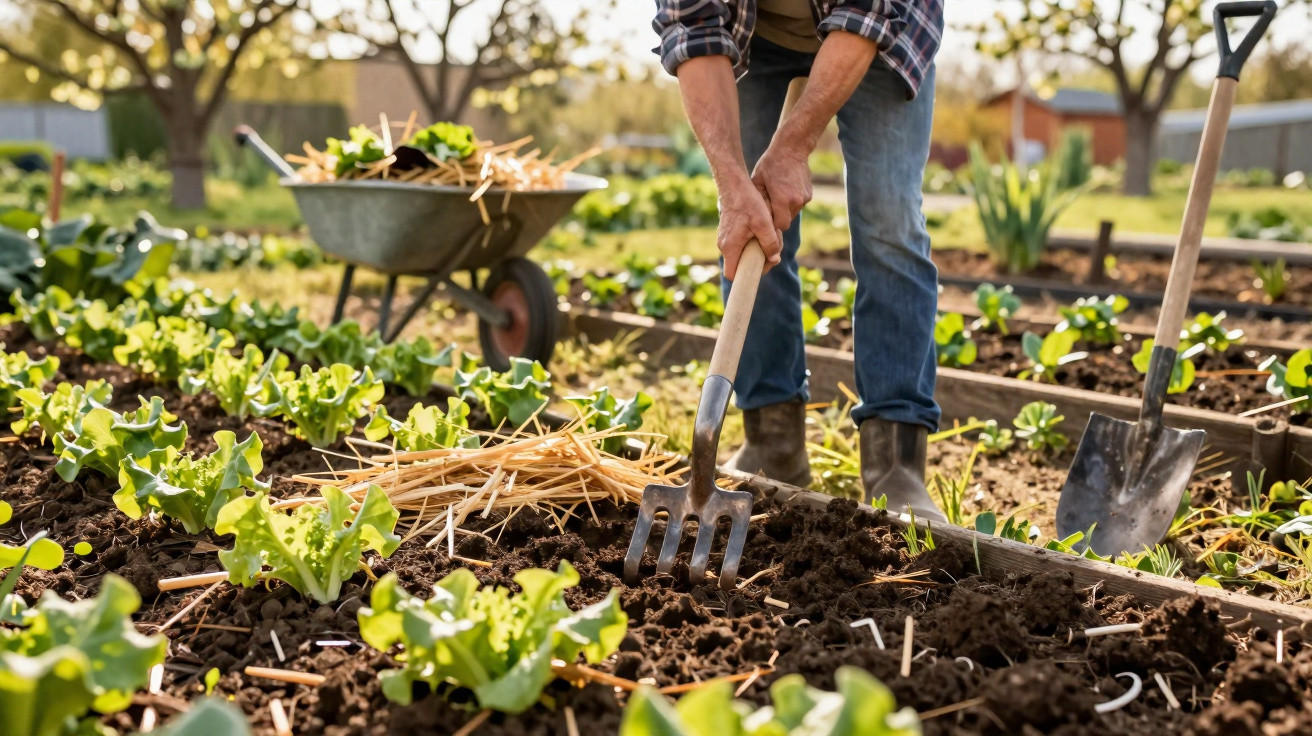
Each spring, millions of gardeners pick up a spade, certain that turning over a newly prepared plot is the route to a good growing season.
The soil does not always see it that way.
Digging into the vegetable patch when the first mild days arrive may appear usefully industrious. But underfoot, it can shock, tear apart and even destroy a hidden community at precisely the point young plants need it most.
Why deep digging can backfire on your spring veg
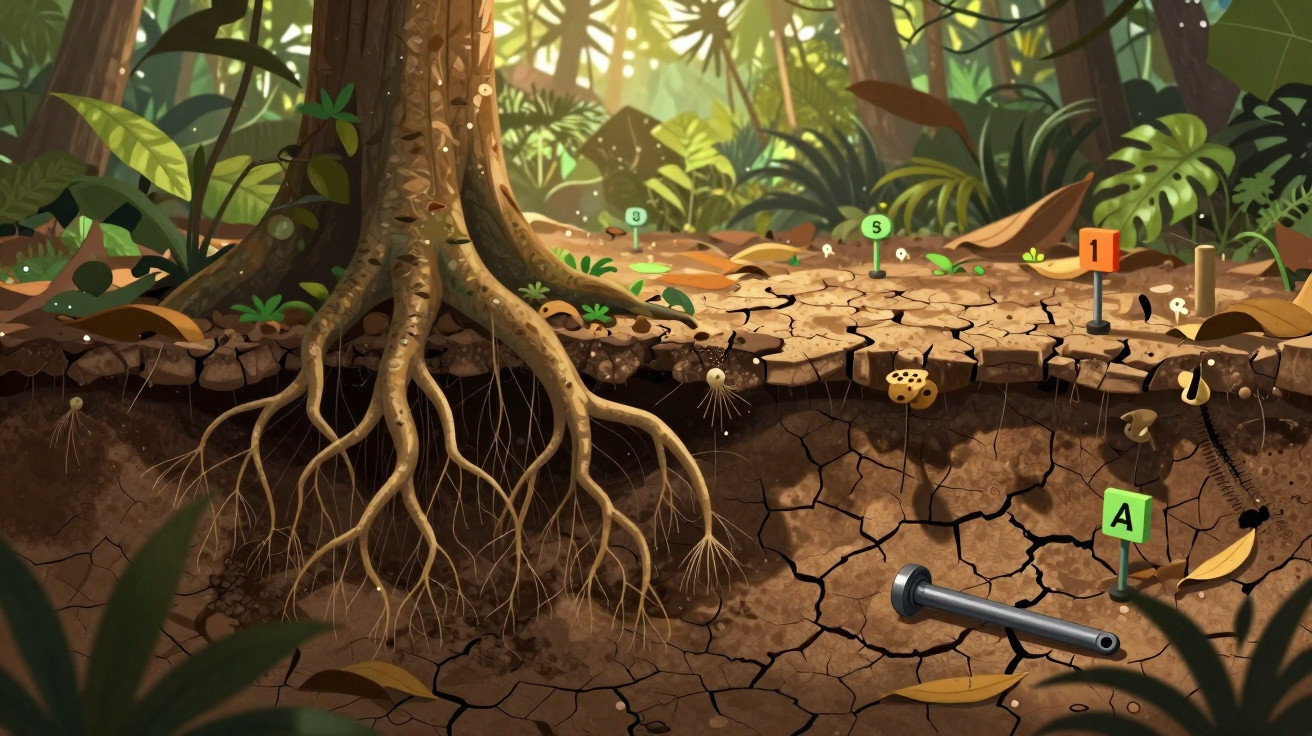
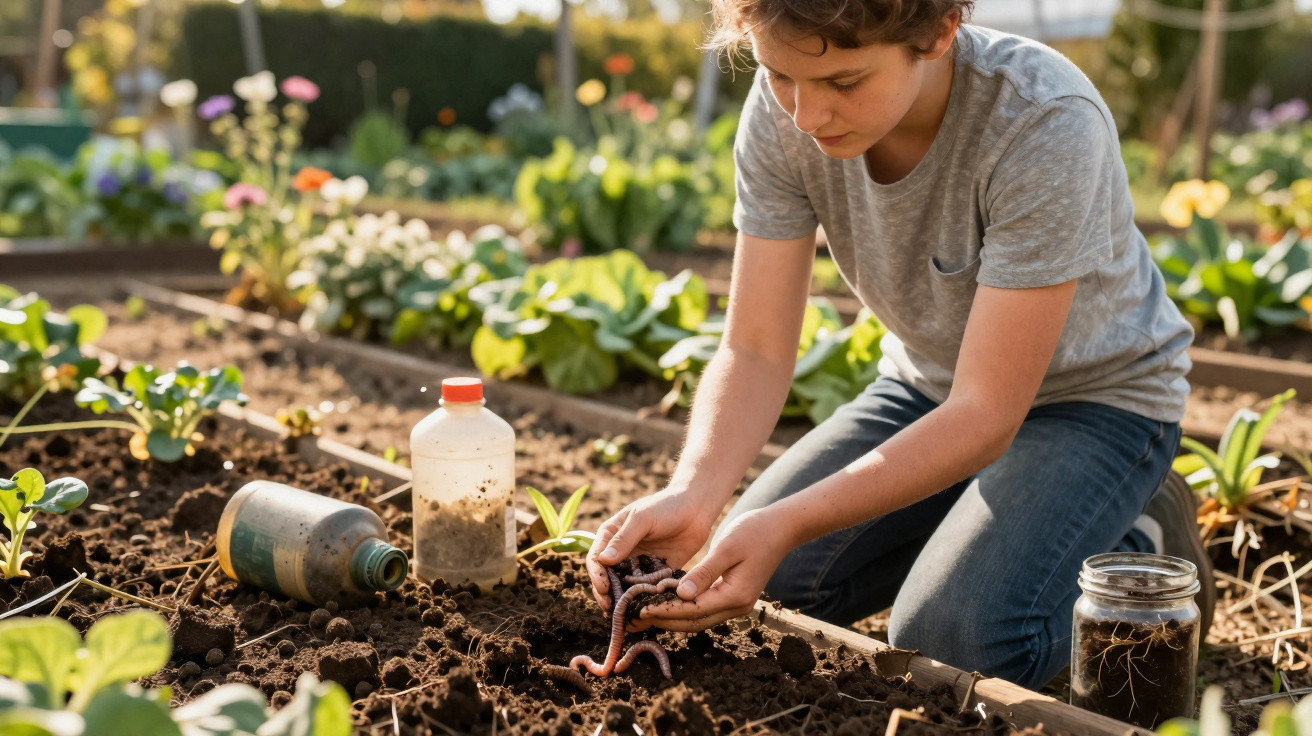
Healthy soil is more than dirt: it is a living web. In the upper few centimetres of an undisturbed bed, one gram may contain hundreds of millions of bacteria, as well as fungi, nematodes, minute insects and earthworms. Collectively, they create a delicate underground ecosystem that nourishes plants, retains water and stores carbon.
Conventional double-digging disrupts those layers. Every spadeful overturns the soil profile. Creatures suited to dark, low-oxygen conditions are exposed on the surface, where sunlight and air can kill them within hours. At the same time, organisms that depend on air and light are pushed too far down to operate properly.
Heavy spring digging can trigger a short, unseen collapse in soil life, right when seedlings most need that support network.
There is a further, less obvious loss. Mycorrhizal fungi produce extremely fine strands that connect plant roots with more distant stores of moisture and nutrients. Certain networks spread across several square metres and exchange resources between crops. Regular work with a spade breaks these threads. Plants must then depend only on their own roots, forfeiting wider access to phosphorus, trace elements and water.
A newly dug plot may therefore look tidy and “clean”, while the microbial system that supports plants against disease, drought and nutrient stress has suffered considerable damage.
The tool old-school gardeners never had: the broadfork
French gardeners refer to the “grelinette”, more commonly called a broadfork in English. Its design is straightforward: two handles attached to a horizontal bar with curved tines. Even so, it is changing how many small-scale growers prepare beds in spring.
Its method is equally simple. Use your body weight to drive the tines straight down into the ground. Next, gently pull the handles back to raise and loosen the soil without overturning it. Work backwards along the bed, repeating this action at intervals of a few inches.
The broadfork opens compacted soil, but leaves the underground layers where they belong and keeps microbial habitats largely intact.
This distinction is important for older gardeners and those with vulnerable backs. Rather than repeatedly bending, twisting and lifting weighty spadefuls, a broadfork relies on body weight and leverage. It transfers effort away from the lower back and towards the arms and legs, which can make extended work more manageable and reduce pain the following day.
When and how to use a broadfork
Getting the timing right is crucial. The soil needs to be lightly moist. In bone-dry ground, the tines may not penetrate properly and can bend. In saturated conditions, the soil will smear and become compacted again.
- Choose the day after a good spring shower.
- Follow straight runs, overlapping each pass by a few centimetres.
- Avoid forcefully smashing clods; allow frost and soil biology to complete that work.
After loosening the bed, many gardeners spread compost across the top, allowing worms to draw it down gradually during the growing season rather than digging it in.
Mulch: the quiet revolution on the veg patch
Where the broadfork offers an alternative to digging, mulch replaces bare soil. In nature, exposed ground is rare. Woodland floors remain covered by fallen leaves, dead stems and other organic matter. A vegetable plot can follow the same model.
Mulch refers to any protective material spread over soil, including straw, chopped leaves, thoroughly dried grass clippings, shredded branches or cardboard beneath an organic covering. This layer protects the surface from sunlight, wind and heavy rain.
A good mulch acts like a duvet for your soil: cooler on hot days, warmer on cold nights, and far better at holding moisture.
Research in temperate climates indicates that mulched beds can require 30–50% less watering. The layer limits evaporation while helping rainwater infiltrate instead of running away. Reduced direct sunlight also prevents many weed seeds from germinating, leaving you with less weeding to do on your knees.
As mulch decomposes, it turns into food for the soil. Earthworms pull pieces into their tunnels and leave nutrient-rich castings behind. Fungi and bacteria process what remains, slowly developing the open, crumbly texture plants favour.
Choosing the right mulch for vegetables
| Material | Best use | Pros | Points to watch |
|---|---|---|---|
| Straw | Around tomatoes, courgettes, potatoes | Light, clean, good moisture retention | Can hide slugs; avoid seed-heavy bales |
| Shredded leaves | Over winter beds, soft fruit | Free, rich in minerals | Use shredded, not whole, to avoid mats |
| Dried grass clippings | Between rows of fast crops | Quickly breaks down, boosts nitrogen | Apply thin, only when fully dry |
| Wood chips | Permanent paths, perennials | Long-lasting, great for fungi | Keep off seed beds; can tie up nitrogen on surface |
For gardeners who find strenuous tasks difficult, a substantial spring mulch also means less frequent hoeing. Many cut out small openings in the layer, set in their seedlings and draw the mulch back around the stems.
Soil life: the underground workforce on your side
Modern soil science supports what observant gardeners have recognised for generations: crops perform best when the underground workforce is cared for, rather than focusing solely on bags of fertiliser.
Nitrogen-fixing bacteria found on the roots of certain plants take nitrogen from the air and convert it into forms that lettuces and beans can use. Mycorrhizal fungi extend well beyond the root zone, exchanging minerals and water for sugars provided by the plant. Earthworms consume dead matter and produce castings rich in readily available nutrients.
When you minimise disturbance, that hidden workforce organises itself into a stable, self-repairing system that quietly feeds your crops.
Frequent spade work, strong chemicals and uncovered soil all place this system under pressure. Gentle loosening, regular surface applications of organic matter and permanent cover, by contrast, generally help it thrive. Once beds have been treated more carefully for several seasons, gardeners commonly see fewer disease problems and less wilting during dry periods.
Practical alternatives to the annual spring dig
Moving away from deep digging does not mean giving up a well-organised plot. It means approaching the jobs in a different order.
A standard low-disturbance spring routine could be:
- On a damp day, use a broadfork to loosen compacted beds without turning the soil over.
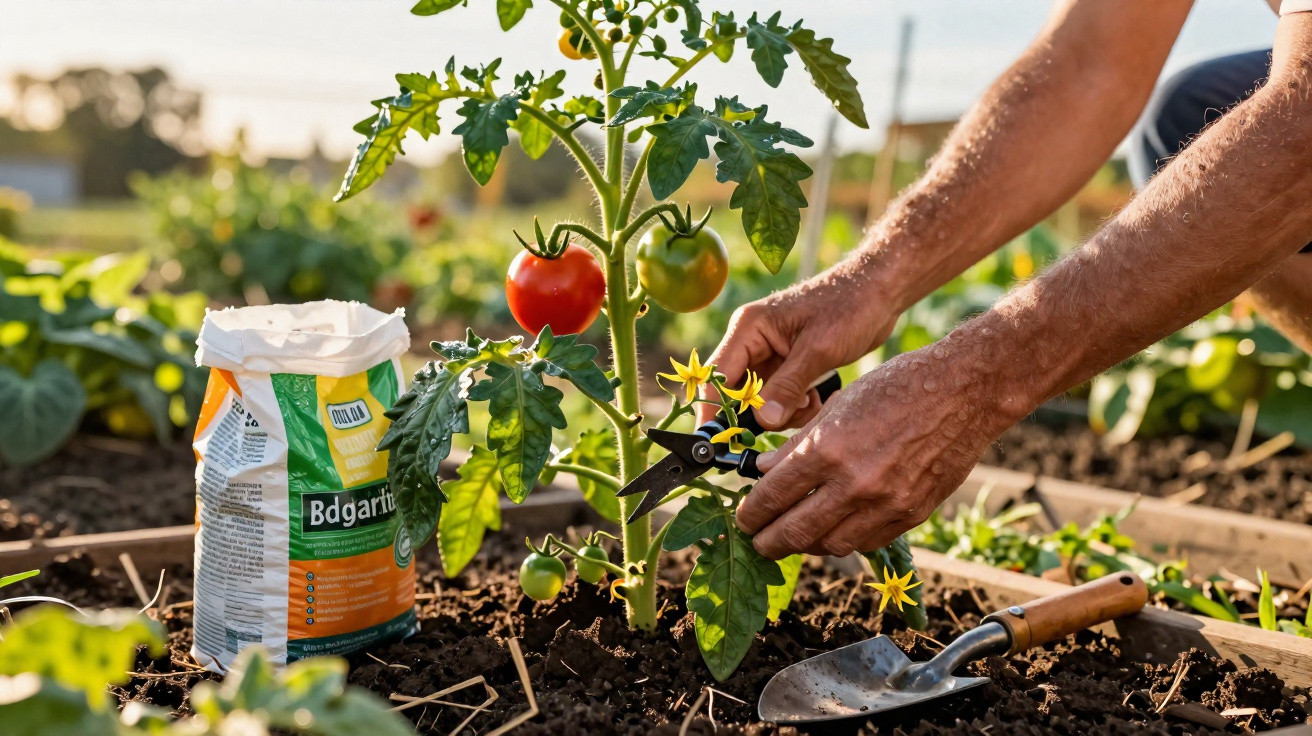
- Apply 3–5 cm of mature compost or well-rotted manure to the surface.
- Sow or plant directly into this enriched top layer.
- Once seedlings are established, add organic mulch between rows or around them.
Where soil is exceptionally heavy clay, or where ground has been compacted by years of trampling, a single deeper treatment with a spade or mechanical implement may occasionally be useful to break through a hardpan. The important point is to regard this as a one-off reset, before adopting gentler techniques and regular additions of organic matter rather than repeating disruptive digging each spring.
What this means for small and ageing gardeners
These changes are particularly valuable for older gardeners and anyone with restricted strength. No-dig or low-dig gardening removes much of the exhausting groundwork. Rather than digging over entire plots, you can maintain narrow permanent beds that are reachable from the side, concentrating instead on annual additions of compost and mulch.
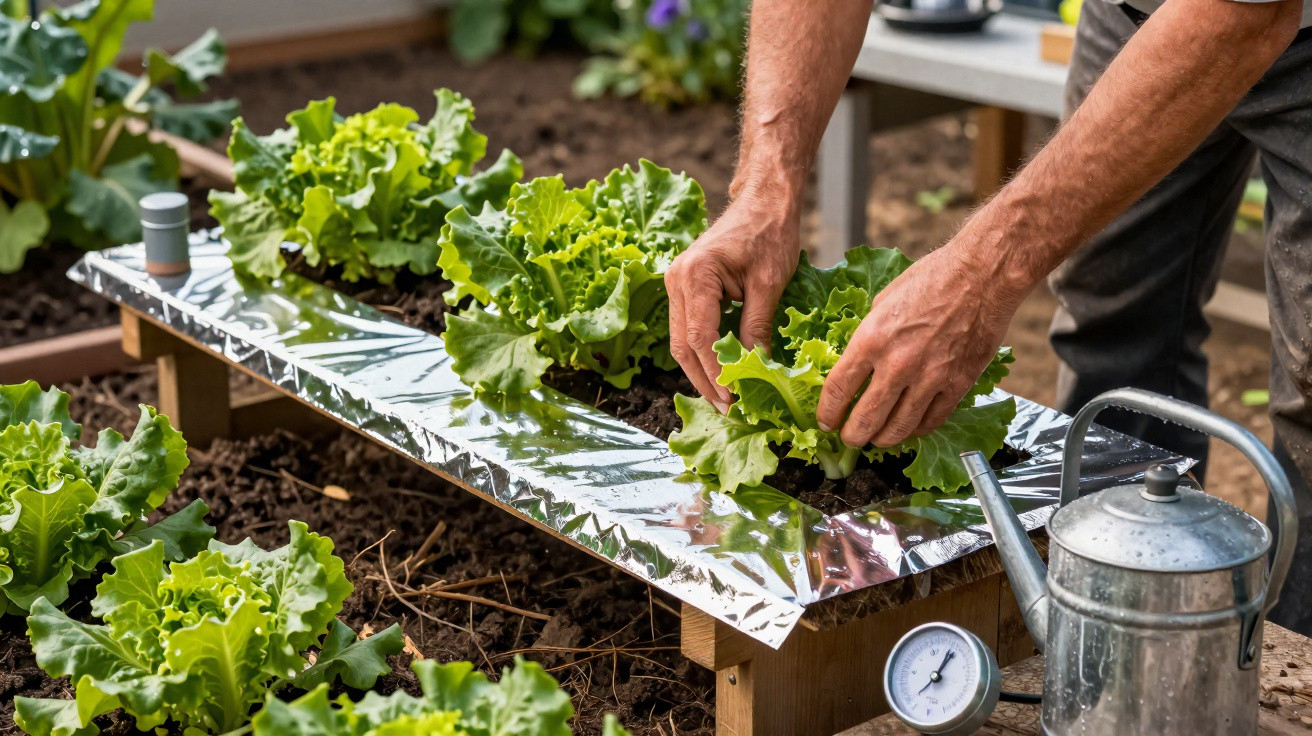
Raised beds enhance these benefits. Keeping improved soil within a defined area reduces compaction from walking, leaves the growing space drier and cuts the need for arduous digging still further. With a broadfork and a deep mulch layer, many gardeners in their seventies and eighties can maintain productive plots with a reasonable level of effort.
Common worries about not digging, answered
Two issues are raised again and again: weeds and slugs. Not digging does not mean surrendering a bed to dandelions. A thick mulch layer suppresses many annual weeds before they emerge, while any that do appear are often easier to pull from loose, biologically active soil.
Mulch can certainly provide shelter for slugs. Gardeners address this with straightforward measures: attracting predators such as frogs and birds, placing beer traps near susceptible crops, and avoiding excessively thick, damp mulch around delicate seedlings until they have strengthened.
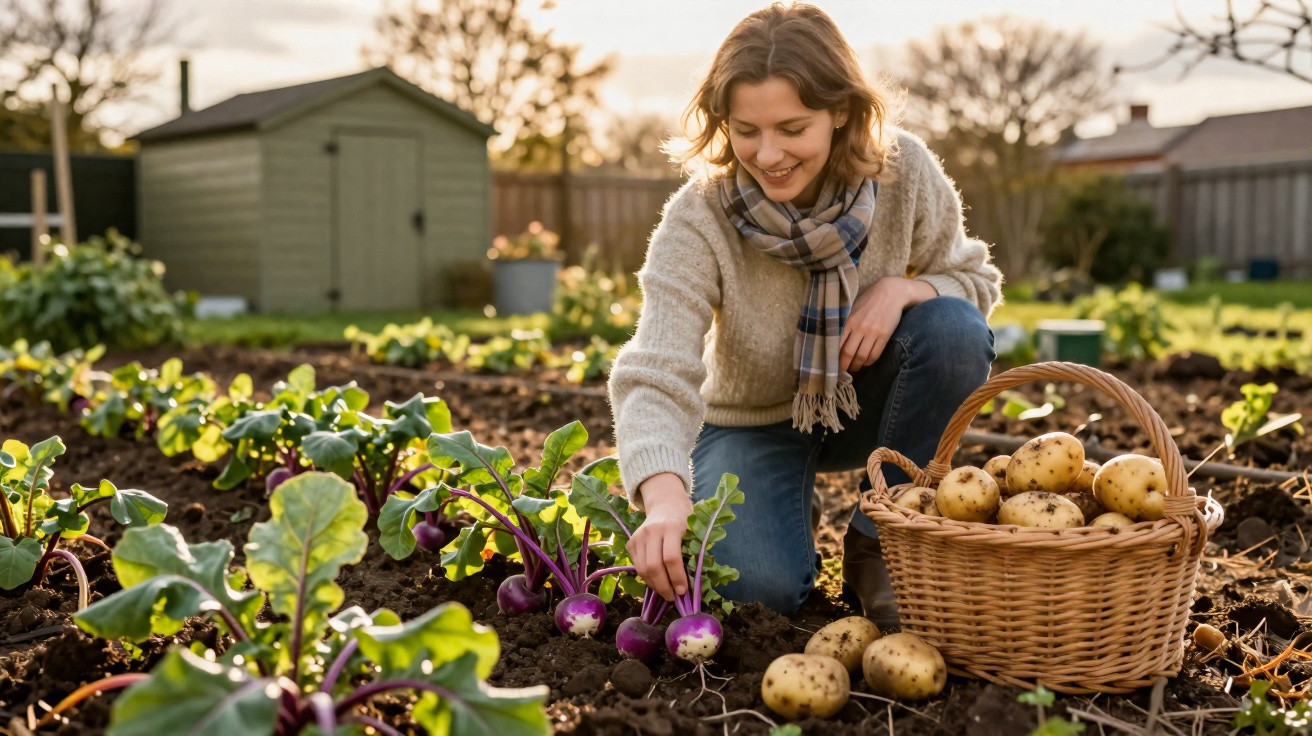
A brief comparison can be convincing. Prepare one small bed in the traditional way by digging deeply, then prepare another with a broadfork, surface compost and mulch. Grow identical crops in both. By late summer, many gardeners find that the undug bed has stronger plants and retains moisture better, often turning doubt into quiet conversion.









Comments
No comments yet. Be the first to comment!
Leave a Comment