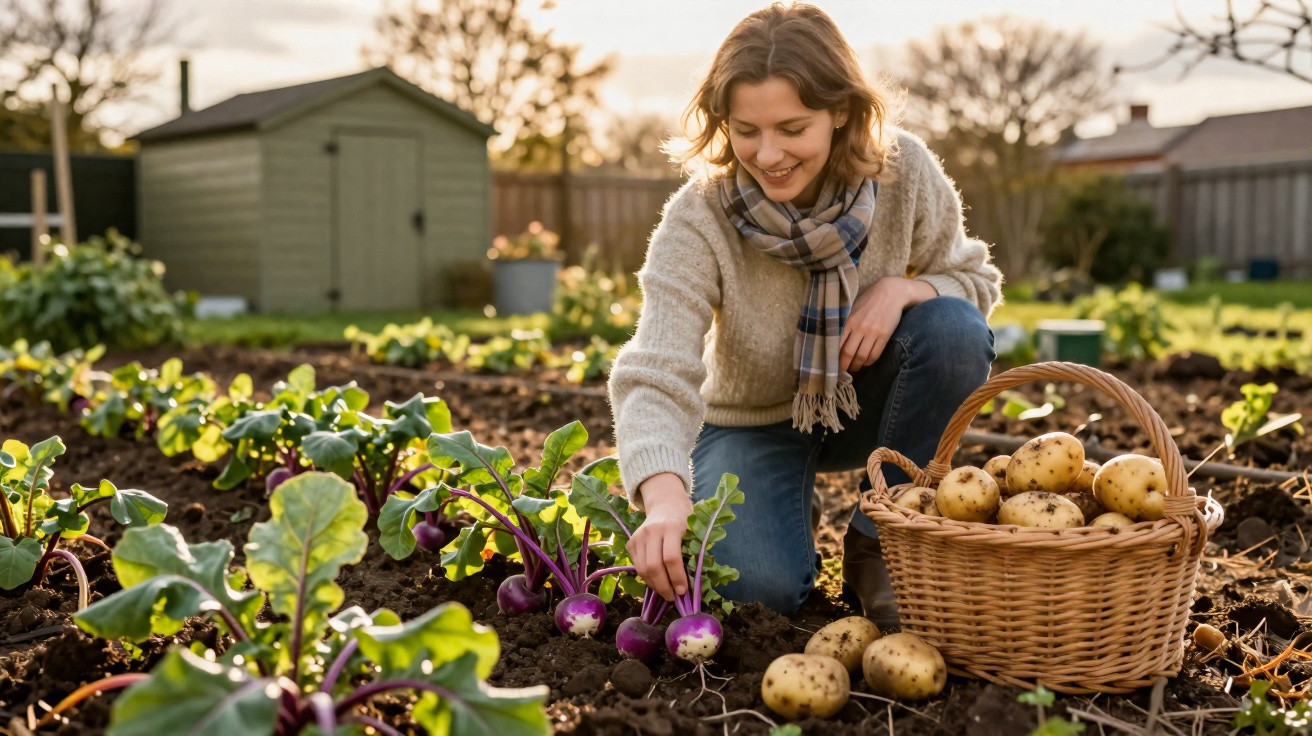
Anyone marking Burns Night with the customary haggis supper will want the traditional accompaniment of ‘neeps and tatties’ on the table too.
For gardeners keen to add a home-grown element to the celebration honouring the birthday of Scotland’s national poet, Robert “Rabbie” Burns, it pays to prepare for next year well in advance.
So, what is the best way to grow your own neeps and tatties?
Growing turnips for neeps
Choosing the site and preparing the soil
Winter turnips require maincrop varieties. These develop more slowly than summer types, but they store well throughout the colder months.
As members of the cabbage, or brassica, family, turnips favour fairly fertile, slightly alkaline ground. Choose a sunny position with cool conditions and soil that holds moisture.
Before sowing, rake the ground until it has a fine, crumbly consistency and incorporate organic matter.
Calendar
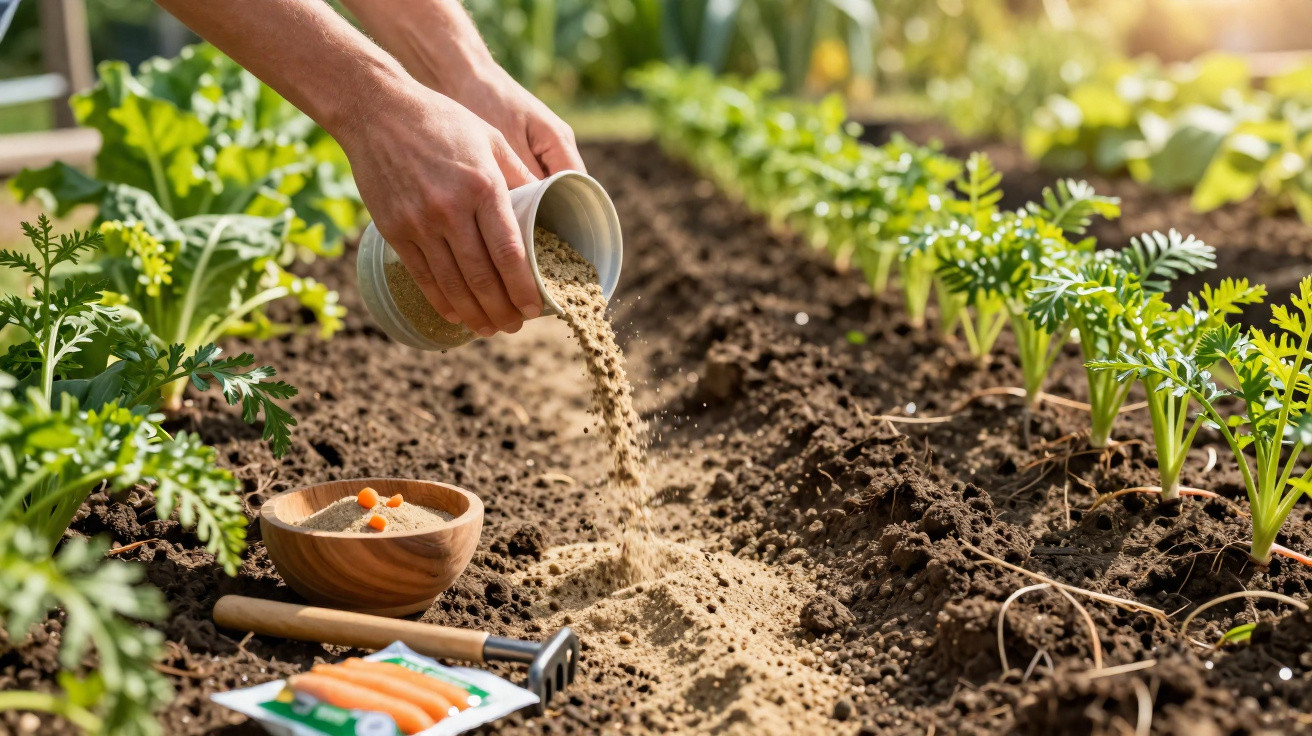
Although turnips can be cultivated from February to August, sow directly outdoors in July or August if you want a crop for Burns Night. Set rows 30cm apart. Thin seedlings promptly if required, taking care not to disturb their roots, and leave 15cm between plants. They should reach harvesting size in about 10 weeks.
Maintenance
If conditions are especially dry at sowing time, water the seedbed regularly. This helps prevent the roots splitting. Keep the plot free of weeds too, so the plants do not face competition.
Harvest
Summer-sown maincrop turnips will generally be ready during autumn, although this depends on the variety. Avoid allowing the roots to become oversized, as they will turn woody. Lift them when they are roughly golf-ball or tennis-ball sized, and do so before severe cold arrives because they are not winter hardy.
Store the autumn crop somewhere cool and frost-free. A shallow box filled or covered with sand or coir compost is ideal. Suitable cultivars include ‘Purple Top Milan’, ‘Green Globe’ and ‘Snowball’.
Alternatively, sow turnips under protection in a cold polytunnel or greenhouse, or use a large container. With this approach, you may harvest until November, provided frost does not reach the plants.
Growing potatoes for tatties
Late maincrop potatoes that store well and have a floury or creamy texture are the best choices for Burns Night. They are particularly suitable for mashing and baking. Options include blight-resistant ‘Sarpo Mira’, ‘Maris Piper’ and ‘Golden Wonder’.
Potatoes need substantial space, but gardeners with smaller plots can raise them in large containers or even a compost-filled sack. As the plants develop, gradually draw soil around their stems. This practice, known as earthing up, covers the forming tubers.
Do not plant in waterlogged soil or in places prone to late frost, since potatoes are vulnerable to frost damage.
Calendar
Purchase maincrop seed potatoes, which are small stored tubers sold in bags during late winter. Plant them outdoors at the end of April in deep, free-draining soil enriched with organic matter such as compost. Ideally, this material should have been worked in during the preceding autumn or winter.
Get the bed ready in January by loosening the soil and incorporating well-rotted manure.
Early potatoes benefit from chitting: encouraging seed potatoes to sprout by putting them in egg boxes on a windowsill, with their ‘eyes’ facing upwards, a few weeks before planting. Maincrop varieties remain in the ground for much longer, however, so chitting is unnecessary.
They will occupy the ground through summer and into autumn, producing larger potatoes that are more suitable for storage.
Set the tubers about 15cm deep and 40cm apart, with approximately 75cm between rows.
Maintenance
Once the first shoots break through the soil, ‘earth up’ by using a draw hoe or soil rake to pull soil around and over them. This promotes underground shoots and additional potatoes, while stopping surface-exposed tubers from turning green.
Keep only the upper 10cm (4in) of each plant showing, repeating the process several times as the stems lengthen.
Water maincrop potatoes later in summer, once tubers begin to form. Watering earlier mainly encourages leafy growth. When flowers emerge in late summer, give the plants a thorough soaking.
Harvest
Potatoes can be lifted once their flowering stems and foliage have died back, up to October.
They may remain in the soil until required, although slugs can cause considerable damage if the crop is left there for too long.
Lift potatoes on a dry day, brush away loose soil, then keep them in hessian or paper sacks in a cool, dry location. Inspect the crop regularly and discard any potatoes showing signs of rot. In the correct conditions, they will keep for months - well beyond Burns Night.
Burns Night is today, 25 January.










Comments
No comments yet. Be the first to comment!
Leave a Comment