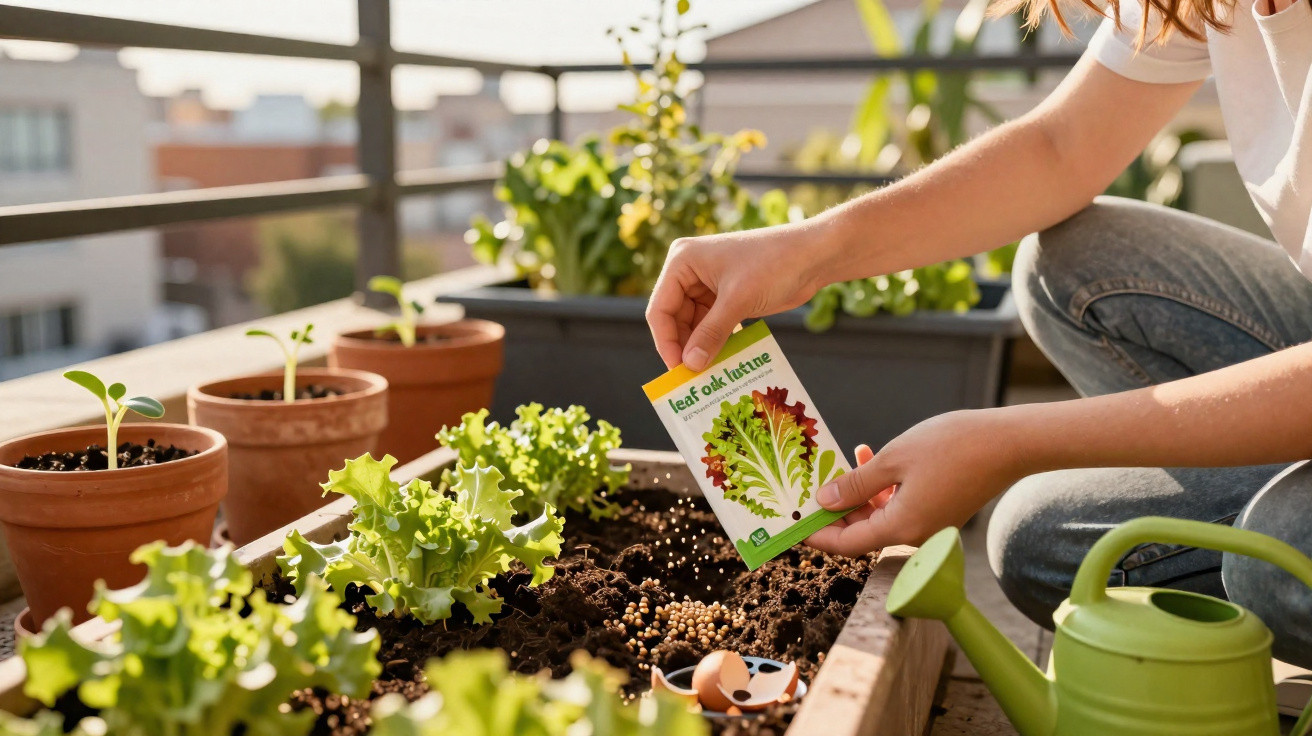
The days are getting longer, the appetite for fresh greens is growing – and one tiny purchase at the garden centre could now shape the entire spring salad season.
Anyone looking to cut costs at the vegetable counter this year may soon arrive at an obvious solution: growing their own. Leafy vegetables are particularly well suited to providing fresh salad for months with minimal expense and effort. Many amateur gardeners are currently drawn to an unassuming packet at Truffaut garden centres: seeds for an oak leaf lettuce variety with pale-green, finely cut foliage, sold for just €1.79. It could prove to be the real starting point for the new season.
Why this lettuce is such a spring bargain right now
As food prices continue to rise, more people want greater control over what ends up on their plates. Lettuce is ideal for this: it grows quickly, takes up little room and offers a generous yield per square metre – or per window box. This Truffaut variety costs €1.79 for a packet containing around 4 grams of seed. That may not sound like much, but it is enough for numerous rows in a bed or several balcony planters.
“A single packet of seeds, used properly, can produce considerably more lettuce than many supermarket packs – and keep doing so for months.”
The financial benefit is only one part of the appeal. Growers of this variety can also take advantage of several qualities that make it especially suitable for beginners: it is considered tender to eat, resilient to temperature changes and slow to bolt. This last point matters greatly, because lettuce that “bolts” becomes bitter and is barely edible.
What makes this oak leaf lettuce variety so beginner-friendly
Rather than forming a firm head, this lettuce develops loose leaf rosettes that continue producing new growth. Harvest the outer leaves while leaving the centre intact, and the plant will keep growing. This conserves space and considerably extends the harvest period.
- Tender leaves: soft, delicate lettuce that is ideal for mixed salads
- Relatively resilient: copes well with a cool spring and the first warmer spells
- Slow to flower: less risk of the lettuce becoming unusable too quickly
- Cut-and-come-again growing: the same plant can be harvested several times
Those becoming impatient in late winter can make a start now. This variety can be sown over a long period, from around February to July. Early sowings can provide the first bowls of fresh leaves from May, while later sowings can extend the season into autumn.
Straightforward sowing and growing
Lettuce needs only moderate conditions to germinate. A soil temperature of roughly 12 degrees is enough to encourage the seeds to grow. This can be achieved in several ways, even without a large garden.
Comparing places to sow
| Location | Benefits | Points to note |
|---|---|---|
| Outdoor bed | Plenty of room, with natural watering from rain | Loosen the soil well and protect with horticultural fleece if late frost is expected |
| Balcony planter | Perfect for city dwellers and easy to reach | Use good-quality compost, water regularly and avoid waterlogging |
| Small greenhouse / cold frame | Earlier sowing and better protection from cold | Ventilate regularly so that it does not become too hot |
Sow the seeds thinly and cover them with only a light layer of soil. Keep the growing medium evenly moist, rather than wet. A bright, sunny spot encourages compact, sturdy growth. In shade, plants often become soft and leggy.
“Anyone who sows a short row every week can enjoy a steady supply of fresh lettuce for months – without a sudden glut at harvest time.”
Lettuce grows better with neighbours in the bed
Gardeners with more experience often use companion planting, combining plants that benefit one another. The lettuce variety featured here works particularly well alongside several familiar vegetables.
Suitable companions for a healthy bed
- Carrots: loosen the soil at depth while lettuce uses the upper layer
- Onions: their scent often deters harmful insects
- Beetroot: uses different nutrient layers, so competition for food remains low
- Brassicas: can provide some shade, which is welcome for lettuce in hot weather
- French beans and broad beans: add nitrogen to the soil with the help of root nodule bacteria
This creates a small ecosystem within the bed. Plants offer each other protection, nutrients are used more efficiently and the soil remains active. Such planning is particularly important where space is limited, such as in a raised bed or small front garden.
The biggest threat: slugs – and a simple way to deter them
As soon as the first tender leaves emerge in spring, slugs are usually ready and waiting. They love young lettuce plants and can strip entire rows overnight.
Rather than buying expensive specialist products, it is worth considering a very simple method: a ring of dry wood ash around the plants. Its fine texture and high pH deter many slugs, which avoid the dry surface because it is unpleasant for them.
“A narrow strip of ash around the bed often acts like a natural protective barrier – inexpensive and chemical-free.”
Important: the ash should come from untreated wood, ideally from a fireplace or stove where no painted, varnished or glued timber has been burnt. Following heavy rain, renew the barrier because the ash will then have mixed into the soil.
Balcony, terrace or garden: oak leaf lettuce suits almost any setting
Not every variety performs as well in a pot as it does in a garden bed. This oak leaf lettuce variety, however, is flexible. Whether it is grown in a traditional vegetable patch, a planter on a railing or a large container by the front door, it will thrive provided there is enough light and water.
It also requires relatively little maintenance, which adds to its appeal for beginners. Even those who occasionally forget to water or sow the seeds a little too densely can still achieve respectable harvests by thinning the seedlings and watering regularly afterwards. Many buyers consequently report positive experiences, and reviews show that the variety achieves high average satisfaction.
How much lettuce one packet can produce
Four grams of seed may sound abstract. In practical terms, it represents a substantial number of potential plants. Even a handful of well-developed lettuce rosettes can provide a large bowl of leaves. Repeated cutting and regrowth significantly increase the overall yield.
With careful planning, one packet can be used to:
- sow several rows in a garden bed;
- plant one or two balcony planters at the same time; and
- fill gaps in other beds, for example after radishes have been harvested.
Its real value therefore lies not just in the price per packet, but in the amount of fresh, unpackaged lettuce produced for the money invested. There is also the advantage of harvesting only when it is needed, rather than throwing away wilted leftovers from the fridge.
Practical tips for especially crisp leaves
A few simple measures can noticeably improve the quality of the harvest:
- Harvest in the morning: leaves are especially plump and flavoursome in the cool early hours.
- Cut only what is needed: the remaining leaves stay on the plant and continue growing.
- Chill straight after cutting: rinse briefly in cold water and place in a bowl with a slightly damp cloth.
- Avoid excessive sun: during intense heat, provide light shade with horticultural fleece or taller neighbouring crops.
Those who wish can combine the pale, finely cut leaves with darker varieties or rocket. This creates colourful salad mixes that not only look more appealing, but also offer greater variety in flavour.
Why this small investment is worthwhile for many households
With prices rising, interest is increasing in simple ways to reduce the food bill without giving up fresh produce. An inexpensive but productive lettuce such as this one fills precisely that gap: minimal outlay, strong returns and little risk.
There is also a psychological benefit. People who harvest their first home-grown leaves often reach for vegetables more frequently, try new recipes and pay closer attention to where their food comes from. Children can easily be involved by caring for their own row or pot – the journey from seed to a finished bowl is manageable and clearly visible.
That is how an unremarkable €1.79 packet of seeds can become more than an impulse purchase at the till: it can mark the beginning of a season in which a balcony, terrace or garden does more than look attractive, delivering crisp lettuce week after week.












Comments
No comments yet. Be the first to comment!
Leave a Comment