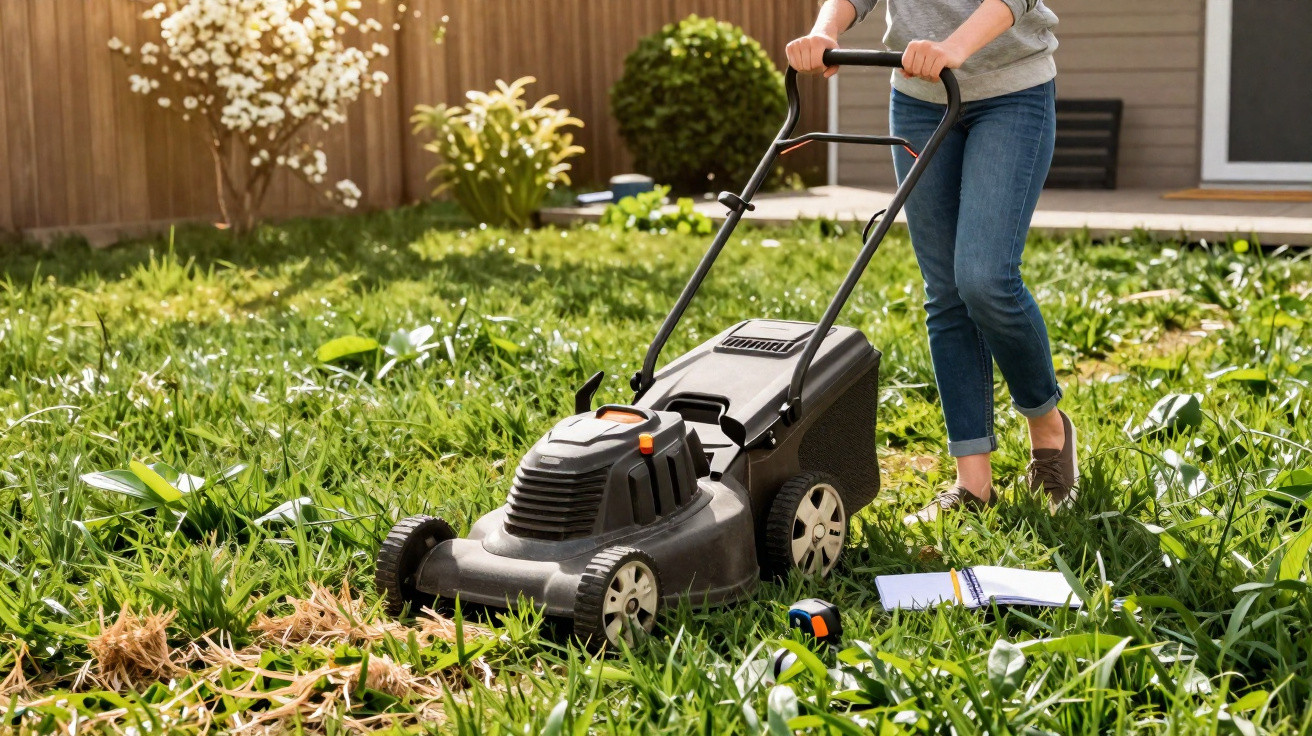
Many people start using the lawn mower far too early in spring – and in doing so weaken exactly what they are trying to strengthen.
Winter has ended, the sun is returning and you cannot wait to get back into the garden and mow the lawn again. However, reaching for the mower without thinking can seriously damage your grass. One very common mistake can leave a lawn thin, yellowish and vulnerable for the entire season.
Why the first lawn cut in spring matters so much
During the colder months, the lawn enters something of an energy-saving mode. Growth almost stops, while the blades store energy to keep the roots going through winter. At this stage, the plant relies mainly on its reserves.
Once the first warmer days arrive, the lawn begins growing again. It still needs some of its older blades, however. These provide energy until the roots are working fully once more and fresh shoots can develop. Cutting too early or too low at this point removes precisely this essential support from the grass.
“Mowing the lawn too early and too short in spring weakens the roots – and the consequences last throughout the summer.”
There is another consideration: while the soil remains cold or wet, many processes beneath the surface continue only slowly. Microorganisms are sluggish, root growth is limited and nutrients are less readily available. This makes the lawn far more sensitive than it is in high summer.
The most common mistake: mowing too early and too low
Many amateur gardeners follow their instinct: “It looks long – so run the mower over it.” That is exactly where the problems begin. Two issues often occur at the same time:
Problem 1: The ground is still too cold or too wet
Mowing when the ground is still soft, waterlogged or partly frozen causes damage below the surface. The mower wheels compact the soil and can effectively flatten the turf.
The consequences include:
- compacted soil that water struggles to penetrate
- bent and crushed grass blades
- yellow, patchy areas across the lawn
- bare gaps where moss and weeds can easily establish themselves
In these compacted areas, very little air reaches the roots. The grass begins to struggle, while moss thrives in exactly these conditions. Scarifying later then merely attempts to repair damage that could have been avoided in spring.
Problem 2: The cutting height is set too low
The other classic mistake is setting the cutting height as you would in high summer, when the lawn is thick and vigorous. In spring, this is much too severe.
A rule of thumb from professional lawn care is to remove only around one third of the current height with each cut. If the grass is approximately 9 centimetres high, cut it back to roughly 6 centimetres – not 3.
“The ideal height in spring is at least 5 to 7 centimetres. A shorter lawn may look ‘tidy’ for the moment, but it leaves the grass more susceptible in the long term.”
This height matters for several reasons:
- Longer blades provide light shade for the ground and help prevent it from drying out.
- They encourage roots to grow deeper rather than staying shallow at the surface.
- Weed seeds receive less light, so they germinate less successfully.
- The plant retains enough leaf area to generate energy.
Wait for the right signs: when the first lawn cut really makes sense
Rather than following a particular date, look for clear signs in the garden. The calendar can be misleading, particularly after mild or exceptionally cold winters.
These indicators show that the lawn is ready:
- Daytime temperatures are consistently above about 10 degrees.
- No night frost is forecast for the coming days.
- The soil feels neither frozen nor muddy.
- The grass looks clearly green again rather than grey-brown.
- The blades have reached a height of around 8 to 10 centimetres.
Using these points as a guide will usually help you find a suitable window, often in March or April depending on the region and altitude.
How to set up the lawn mower correctly in spring
For the first cut of the year, set the mower to the highest, or one of the higher, settings wherever possible. The aim is to begin gently rather than cutting the lawn virtually “down to zero” straight away.
Key points when setting up the mower:
| Setting | Recommendation for the first spring cut |
|---|---|
| Cutting height | Set it so that 5–7 cm of grass blade remains |
| Mowing frequency | Mow more often and moderately rather than rarely and extremely short |
| Blades | Sharpen the cutting blades or have them checked |
| Grass box | Usually collect the clippings for the first cut |
Sharp blades are particularly important. Blunt blades tear the grass rather than cutting it cleanly. The tips become frayed, turn brown and create entry points for disease. The lawn can then quickly look unhealthy, even though the real issue is simply the equipment.
Preparation before the first cut: small checks, major benefits
Before starting the mower, it is worth taking a quick walk across the lawn. This can prevent hidden problems.
- Remove branches, stones and toys from the grass.
- Mark heavily moss-covered or bare patches so they can be treated specifically later.
- Test the ground with your foot: if it still feels “spongy”, wait a little longer.
- Use a rake to roughly level any molehills or uneven areas.
This inspection takes only a few minutes, yet it helps prevent damaged blades and an uneven cut.
What comes after the first cut: care for a dense lawn
Once the first hurdle has been cleared, subsequent care determines whether the lawn develops into a dense, resilient surface or starts forming gaps. A few measures are especially helpful:
- Lightly scarify heavily matted lawns later in spring.
- Treat bare patches with a suitable overseeding mix.
- Apply fertiliser moderately if needed, once the lawn is visibly growing.
- Water during extended dry spells – preferably infrequently and thoroughly, rather than briefly every day.
“Those who remain patient in spring and do not ‘shave’ the lawn usually need less repair work in summer.”
Why longer grass is often healthier than the “golf-course lawn” look
Many people like the immaculate appearance of closely cut grass. From the plant’s perspective, though, a moderately longer lawn is often more robust. More leaf surface means more photosynthesis and therefore more energy. Longer blades buffer temperature extremes and shield the soil from direct sunlight.
This compromise is particularly worthwhile in periods of hot, dry summers: leave the grass two centimetres higher and reduce the stress placed on the lawn. Taking this approach from the year’s first cut lays the foundations for a far more resilient lawn.
Handling the spring period carefully saves considerable work later on. The true “secret weapon” for a strong lawn is therefore neither specialist fertiliser nor expensive equipment, but avoiding one single mistake: do not mow too early or too short.

















Comments
No comments yet. Be the first to comment!
Leave a Comment