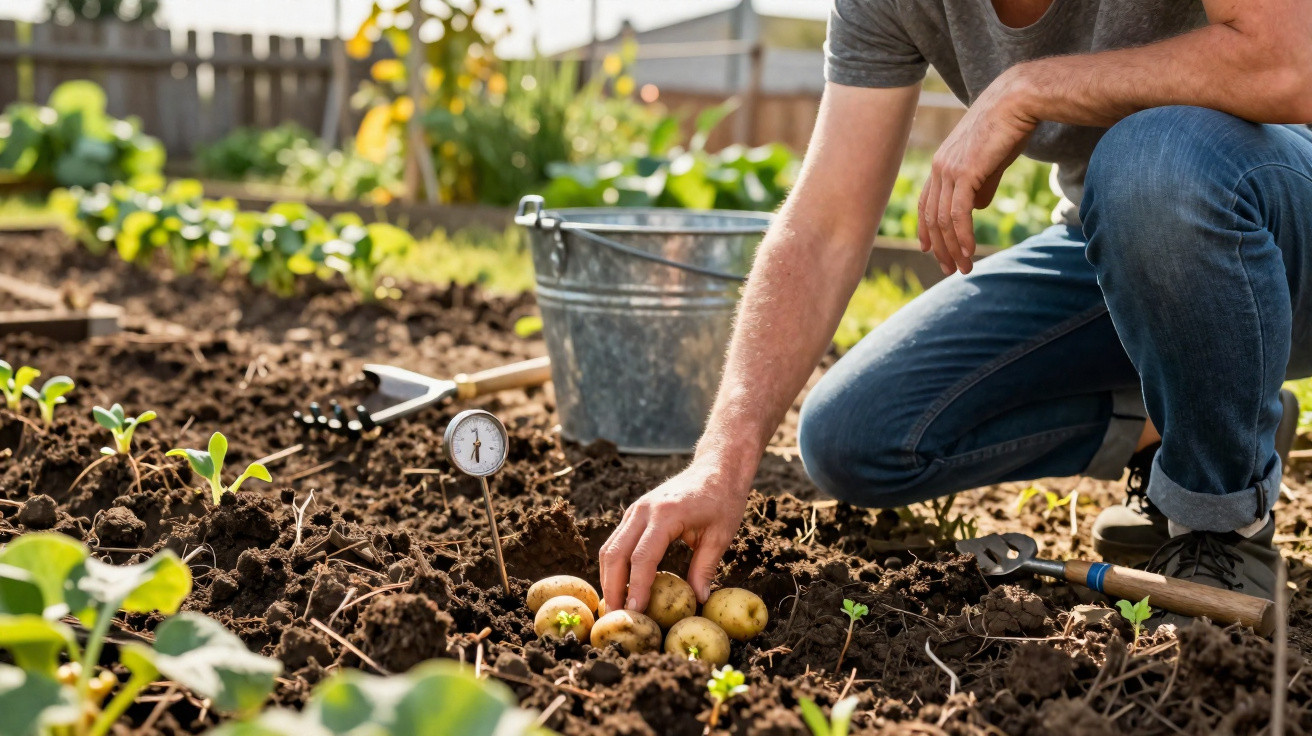
Missing the right moment to plant potatoes can cost you kilo after kilo of harvest – an expert explains what matters.
As soon as the days begin to lengthen, many home gardeners cannot wait to plant potatoes so that the store cupboard is well stocked by late summer. Yet seed-potato bag labels, neighbours’ advice and all manner of lunar calendars can quickly create confusion. The key is not a fixed date, but the combination of soil temperature, weather conditions and well-prepared seed potatoes.
The ideal time to plant potatoes: soil, not the calendar, decides
Many gardeners rigidly follow a date in March or April – and are often wrong to do so. Potatoes are sensitive to cold, wet soil. Planting too early risks rot or weak plants; planting too late can mean missing the opportunity for genuinely early tubers.
“What matters is how warm the soil is at a depth of ten centimetres – not what the calendar says.”
Garden professionals recommend planting potatoes only when:
- the soil temperature is consistently at least 7 to 10°C;
- no severe late frosts are expected;
- the soil is no longer sodden and heavy.
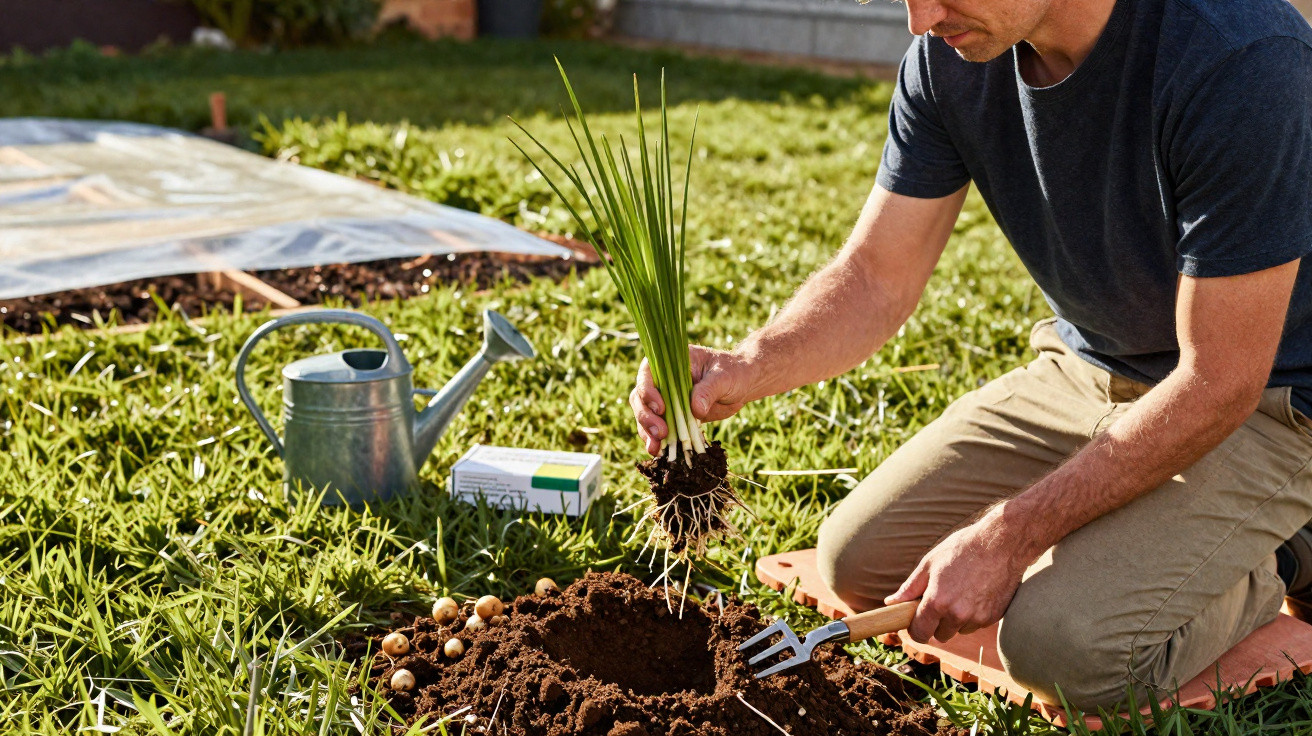
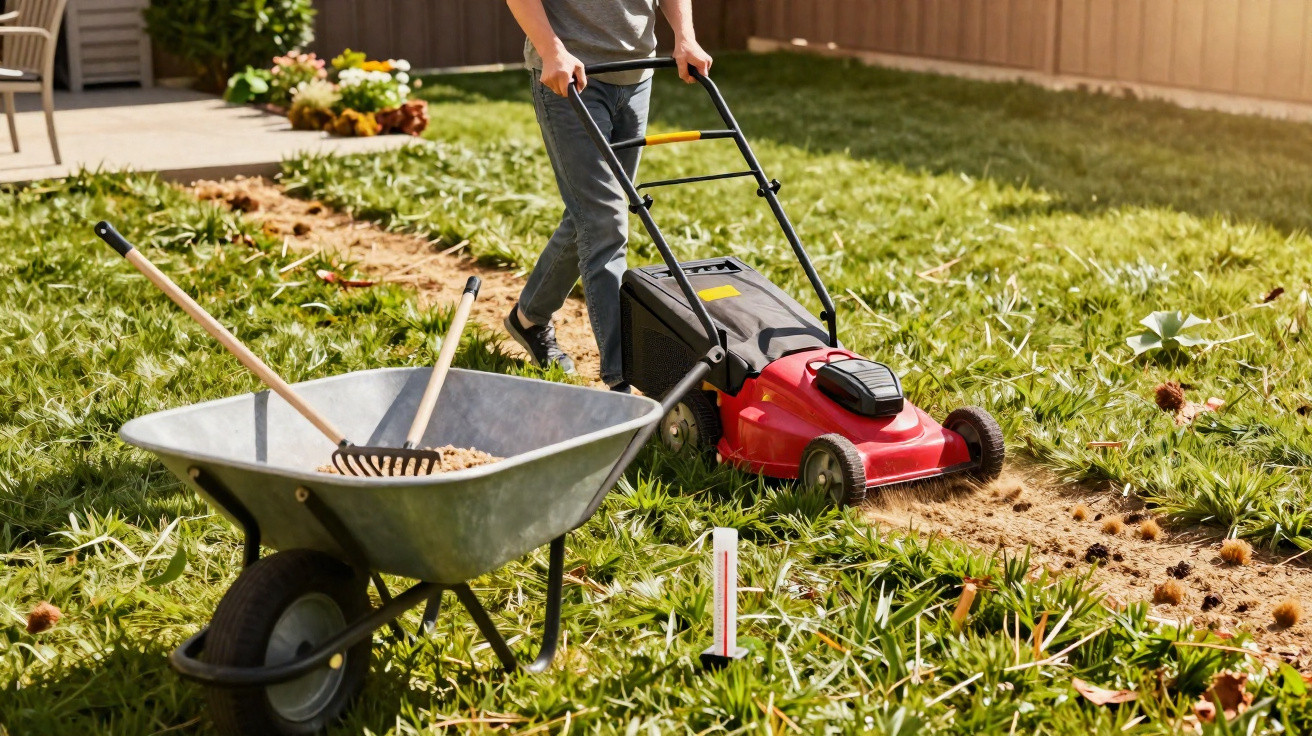
A soil thermometer from a garden centre is inexpensive and can prevent poor decisions. If it records more than 10°C at planting depth for several consecutive days, the season can begin. Covering the ground with black plastic or dark horticultural fleece can often bring planting forward by one to two weeks, as the soil warms more rapidly.
The simple sitting test: using your own sense of temperature
Without a thermometer, you can rely on a very traditional guide: how the ground feels to you. Sit on the bare soil for a few minutes. If you do not immediately feel cold and it seems cool rather than icy, conditions are usually suitable for the tubers too.
The planting window varies considerably by region:
- coastal areas and mild western locations: often from late March;
- central Germany and many river valleys: usually from mid-April;
- cooler upland areas and low mountain ranges: often only from early to mid-May.
A practical rule of thumb is this: it is better to plant a week later than to begin in “concrete-like soil”. Potatoes generally make up a delay of a few days easily when they are placed in pleasantly warm, airy soil.
Preparing soil for potatoes
Potatoes thrive in loose, deep soil. Only then can the tubers spread without becoming misshapen or rotting. Heavy, compacted ground makes growing them unnecessarily difficult.
“The more easily the soil crumbles in your hands, the more comfortable the tubers will be.”
Here is a quick test: take a handful of soil and squeeze it. If it forms a hard, sticky lump, it contains too much clay and loam, and is either still too wet or inherently too heavy. If the ball falls apart easily, the structure is right.
To make soil more suitable for potatoes over the long term, it helps to take action as early as autumn:
- spread 3 to 4 centimetres of mature compost over the area;
- work in some sand where soils are heavy;
- loosen coarse clods with a garden fork rather than over-cultivating the ground.
It is also worth considering crop rotation. Potatoes should not be grown in the same spot again for at least four years. This reduces pressure from diseases such as potato blight and tuber blight, as well as nematodes – tiny threadworms living in the soil.
Good seed potatoes: where the harvest begins
Even the best planting date offers little benefit if the starting material is poor. Supermarket potatoes are usually treated with sprout inhibitors and are not well suited for use as seed. Specialist suppliers offer certified seed potatoes that have been inspected and checked for disease.
“Around one and a half kilos of healthy seed potatoes can produce 10 to 20 kilos of eating potatoes – quality also makes a difference.”
Anyone wanting an early harvest can chit the tubers in good time. This gives the plants a small head start at the beginning of the season.
Chitting seed potatoes for an early harvest
Around four to six weeks before the planned planting date, place the seed potatoes in shallow trays or egg boxes. The tubers should:
- be arranged in a single layer;
- be kept somewhere bright and cool, at around 10 to 15°C;
- not be exposed to strong direct sunlight.
After a few weeks, sturdy, short shoots measuring one to two centimetres will appear. These compact sprouts are ideal. Long, thin “windowsill shoots”, on the other hand, snap easily and weaken the plant.
Planting potatoes step by step
On planting day itself, choose a sunny position. Potatoes need light and warmth, but do not tolerate waterlogging. In heavy soils, slightly raised ridges or beds help excess water drain away more quickly.
- Measure the spacing: Mark out rows about 60 to 70 centimetres apart, leaving 30 to 35 centimetres between tubers within each row.
- Make furrows: Use a hoe or spade to create trenches around 10 to 12 centimetres deep.
- Place the tubers: Position the sprouts upwards and avoid damaging them where possible. Handle chitted potatoes particularly carefully.
- Cover them with soil: Cover the tubers so that they sit around 5 to 10 centimetres beneath the surface.
If you only have a balcony or a small courtyard, potatoes can also be grown successfully in large containers or sturdy bags. The important factors are at least 30 to 40 litres of compost per plant and drainage holes so that surplus water can escape.
Earthing up: the underestimated yield booster
Once the plants are around 15 to 20 centimetres tall, an important task begins: earthing up. Use a hoe to draw soil up around the stems, creating a small ridge.
“Earthed-up potatoes produce more tubers, stay better protected from light and turn green less often.”
A second round usually follows after two to three weeks. The same principle works in pots on a balcony: keep adding compost so that only the upper part of the plant remains above the growing medium. In this way, the container gradually “grows” with the plant.
Common mistakes – and how to avoid them
Many harvest losses are caused not by pests, but by small oversights. Common examples include:
- Soil that is too wet: tubers rot before they can sprout. Better: wait for a drier spell and ensure adequate drainage.
- Untreated supermarket seed potatoes: these carry a higher risk of disease. Use certified seed potatoes instead.
- No crop rotation: growing potatoes in the same place year after year weakens the crop.
- Planting too shallowly without earthing up: tubers turn green and become inedible.
What soil temperature and drainage actually mean
When gardeners refer to soil temperature, they do not mean the air temperature but the temperature at the depth where the tubers are planted. It responds much more slowly than the air: after cold nights, the soil can still be icy in the morning even when the sun is already warming things up.
Drainage describes the soil’s ability to absorb water and then release it again. Well-drained soil retains moisture without turning into a puddle. Sand and compost improve this property, while pure clay soils often hold water for too long.
Why the effort is genuinely worthwhile
Those who follow a few clear rules will be rewarded: starting in sufficiently warm, loose soil produces strong plants with deep-reaching roots. These cope better with dry spells and use nutrients more efficiently. That makes the crop more resilient, even during weather extremes.
At the same time, potatoes offer room for creative experiments: companion planting with dwarf French beans around the edge, flower strips to deter pests, or trying different varieties – from an early waxy tuber for summer salad to a floury variety for Sunday mashed potato. Anyone who keeps the right planting time and the basics in mind can continue learning playfully year after year – while filling the store cupboard with home-grown potatoes.












Comments
No comments yet. Be the first to comment!
Leave a Comment