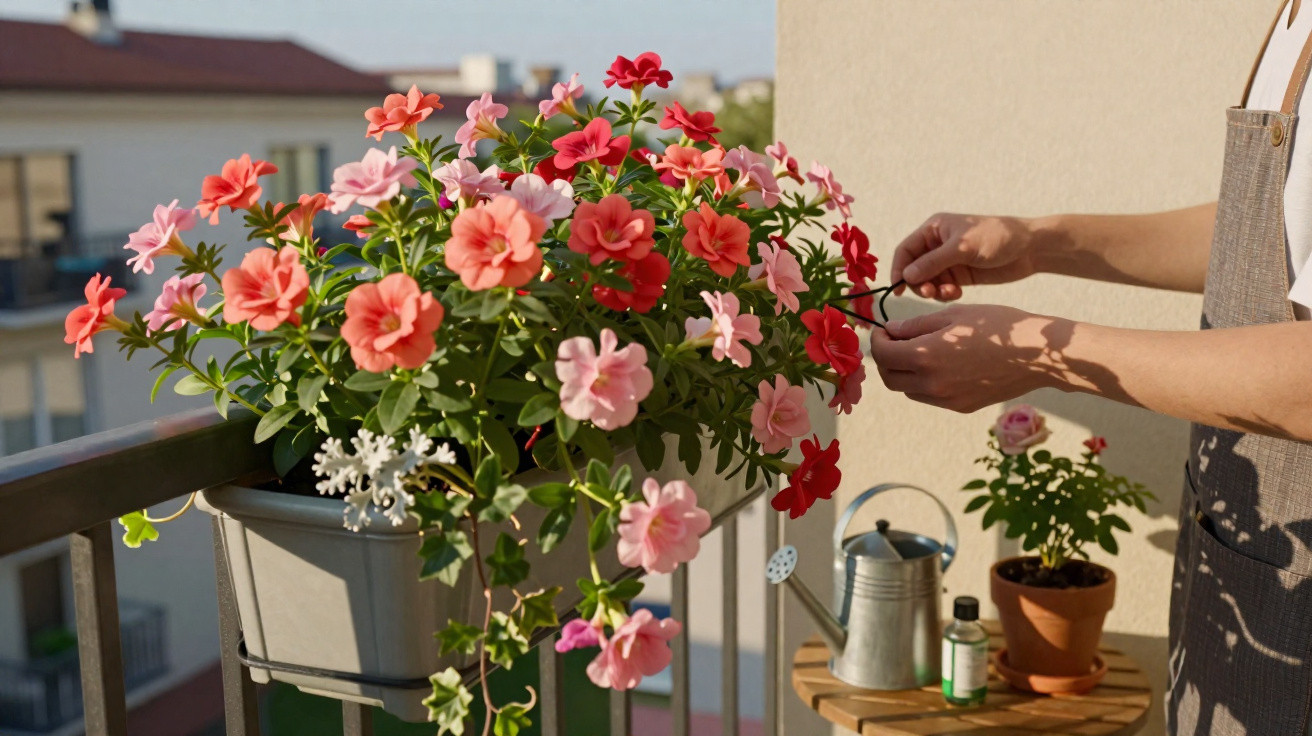
Many amateur gardeners dream of balcony planters overflowing with colour from May well into autumn. In reality, they often end up with a few tired flowers and plenty of foliage. One rather overlooked plant can change that: Diascia, sometimes sold as Twinspur. Give it the right position and a few simple measures in spring, and it will reward you with almost uninterrupted flowering.
Why this delicate Diascia flower delights balcony gardeners
Native to southern Africa, Diascia belongs to the figwort family. In the UK, it is generally grown as an annual summer bedding plant, although it is actually a small perennial in mild areas. The plants remain compact, yet develop a relaxed trailing habit, producing countless flowers on slender, flexible stems.
Typical growth measurements:
- Height: around 25 to 40 centimetres
- Spread: approximately 30 to 60 centimetres per plant
- Growth habit: bushy and loosely trailing, ideal for the edges of planters
Its flowers have five small lobes and form in dense clusters. Colours range from soft apricot to vivid pink, with varieties also available in white, orange and muted violet. This variety makes Diascia particularly appealing for balcony planters and hanging baskets where a cheerful mix of colour is wanted.
“Anyone wanting balcony planters that flower continuously from spring to autumn can hardly overlook Diascia – it blooms almost without a break.”
Diascia is especially effective in:
- traditional balcony planter combinations with petunias, verbena or Bidens
- hanging baskets, where its stems can spill freely over the edge
- shallow bowls on patio tables, creating a colourful, low cloud of flowers
- rock-garden-style containers, where the blooms can gently trail over the sides
The ideal time and position for Diascia in balcony planters
A successful spring start is crucial for a long flowering season. Young plants should only be placed in planters once there is no longer a risk of overnight frost. Depending on the weather, this is usually between late April and mid-May in most areas. If growing from seed, start in March or early April indoors or in a greenhouse at around 15 degrees.
How many Diascia plants per planter?
Planting either too densely or too sparsely is a common mistake. Use the following as a general guide:
| Planter width | Recommended number of Diascia plants |
|---|---|
| 30 cm | approx. 3 plants |
| 50–60 cm | approx. 6 plants |
| 80 cm | approx. 8 plants |
This allows the plants to fill out quickly without competing for space. The result is an even front of flowers with no bare gaps.
Light and compost: where Diascia thrives
Diascia enjoys sunshine but will also tolerate bright partial shade. A location with sun in the morning or before midday, plus some afternoon protection during exceptionally hot high-summer days, is ideal. If it sits for hours in intense midday sun during humid heat, the plant becomes stressed more quickly and flowering slows down.
The growing medium should be:
- loose and free-draining
- sufficiently rich in humus
- moderately fertile rather than excessively rich
- slightly acidic to neutral, with a pH of around 6.0–7.0
In practice, good-quality compost for balcony plants is sufficient, particularly if loosened with a little sand or expanded clay. This lets surplus water drain away rapidly and prevents the roots from sitting in wet compost.
Watering, feeding and trimming Diascia throughout summer
Diascia is surprisingly easy to maintain when a few basic rules are followed. The most frequent mistake is overwatering combined with inadequate drainage.
Water correctly rather than ‘drowning’ it
Diascia prefers compost that remains consistently lightly moist. Let the surface dry a little between waterings, but do not allow the compost below to dry out completely. In balcony planters and hanging baskets, regular watering is essential, especially in windy or very sunny positions.
- Water around the roots rather than over the flowers.
- During hot weather, water in the evening where possible.
- Avoid waterlogging at all costs; drainage holes in the planter are essential.
Feeding strategy for a long flowering period
Too much fertiliser encourages strong leafy growth but reduces the number of flowers Diascia produces. A moderate feeding routine is preferable:
- mix a slow-release fertiliser for balcony plants into the compost when planting or
- add a small amount of liquid feed to the water every three to four weeks
If the plants are already in highly fertile compost, avoid additional fertiliser during the first few weeks after planting. Only feed lightly later on if flowering starts to decline.
Pruning and maintenance for even more flowers
A little work with the scissors can noticeably increase the flowering display. Regularly pinch off faded flower clusters so that the plant does not direct its energy into producing seed. If the cushions become thin in high summer or flowering slows, a light trim will help.
“Cutting back around one third of the stem length in summer works like a fresh start – Diascia produces new growth and flowers strongly again.”
You can also pinch out the tips of long individual stems from time to time using two fingers. This encourages more branching and keeps the plant compact, which gives balcony planters an especially neat appearance.
Free new plants: propagating Diascia yourself
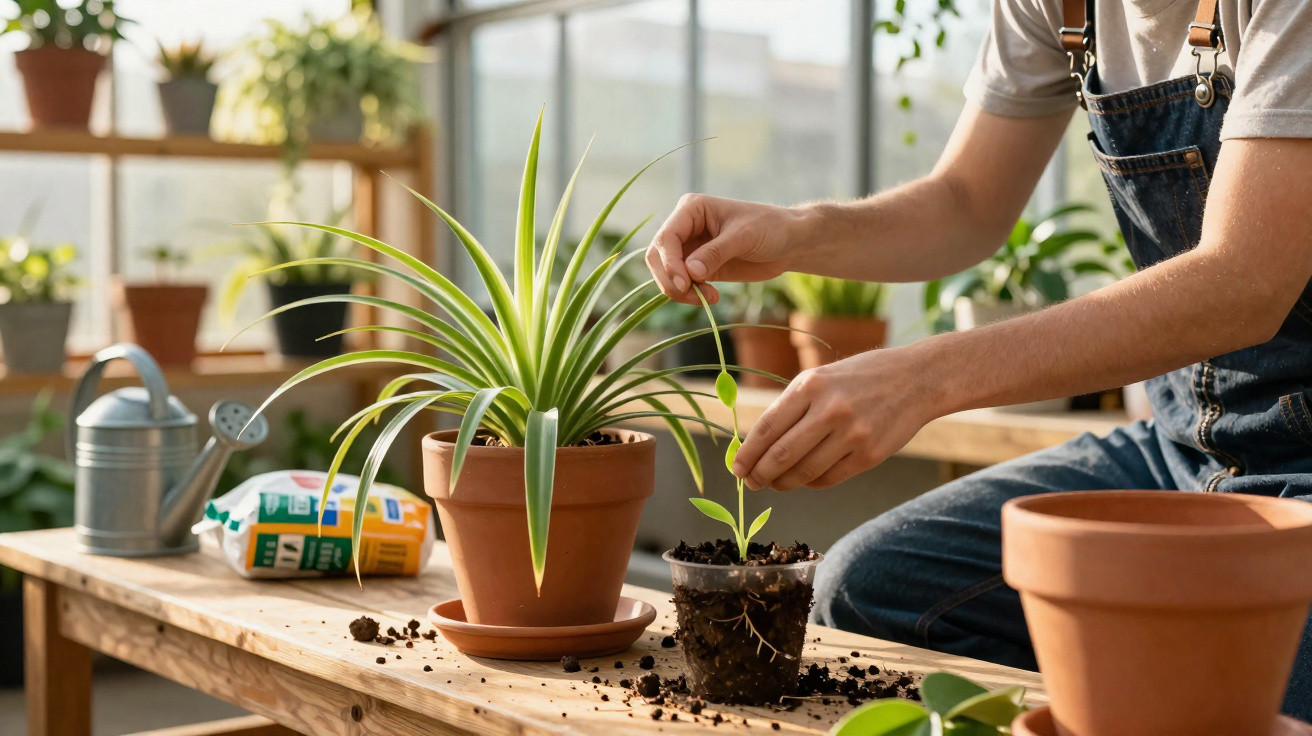
If you have an especially attractive variety in a planter, there is no need to rely on what the garden centre has available the following year. Diascia is easy to multiply from cuttings.
- Choose non-flowering shoots in spring or early autumn.
- Cut sections around 10 centimetres long.
- Remove the lower leaves, leaving just a few at the top.
- Insert them into seed compost or specialist cutting compost.
- Keep them slightly moist, but never wet.
Keep autumn cuttings somewhere bright and cool, at around 10–15 degrees and protected from frost. The young plants can then be moved into balcony planters or flower beds in spring.
Common Diascia problems and how to prevent them
Although Diascia is generally robust, it is sensitive to two things: excessive wet and heat stress. If the compost stays soaking wet for weeks, the roots rot and the plant quickly collapses. Conversely, when a planter is exposed to relentless heat, leaves curl and buds dry out before they can open.
Helpful preventative measures include:
- check the drainage holes and drill additional ones if necessary
- add a drainage layer of expanded clay or gravel to the planter
- provide temporary light shade on exceptionally hot days
- water less often but thoroughly, rather than giving frequent small amounts
Pests such as aphids or whitefly usually appear only when plants are weakened. A strong jet of water will often be enough; if needed, a mild soap spray or nettle infusion can also help.
Plants that pair well with Diascia
In mixed balcony planters, Diascia is an ideal companion for other sun-loving plants. Attractive, low-maintenance combinations include:
- petunias or Calibrachoa for a full summer-balcony look
- verbenas in similar or contrasting shades
- silvery foliage such as dusty miller or Helichrysum, which brings out the flower colours
- low-growing grasses that add structure and movement to the planter
For a calmer effect, use just one or two shades, such as apricot Diascia paired with white-flowering companions. This gives the planter an elegant appearance without making it feel overcrowded.
Who Diascia is particularly suited to
Balcony gardeners with limited time benefit from Diascia because it is forgiving if watering is missed for a day. It does not require complicated care, only a few regular tasks. It is also well suited to beginners without much gardening experience.
Diascia is equally appealing to anyone who does not want to redesign their window boxes completely every year. In warmer locations or sheltered courtyards, the plant can become perennial when protected from severe frost. Even in colder regions, at least the cuttings can be overwintered – a small balcony project that can bring a great deal of enjoyment.












Comments
No comments yet. Be the first to comment!
Leave a Comment