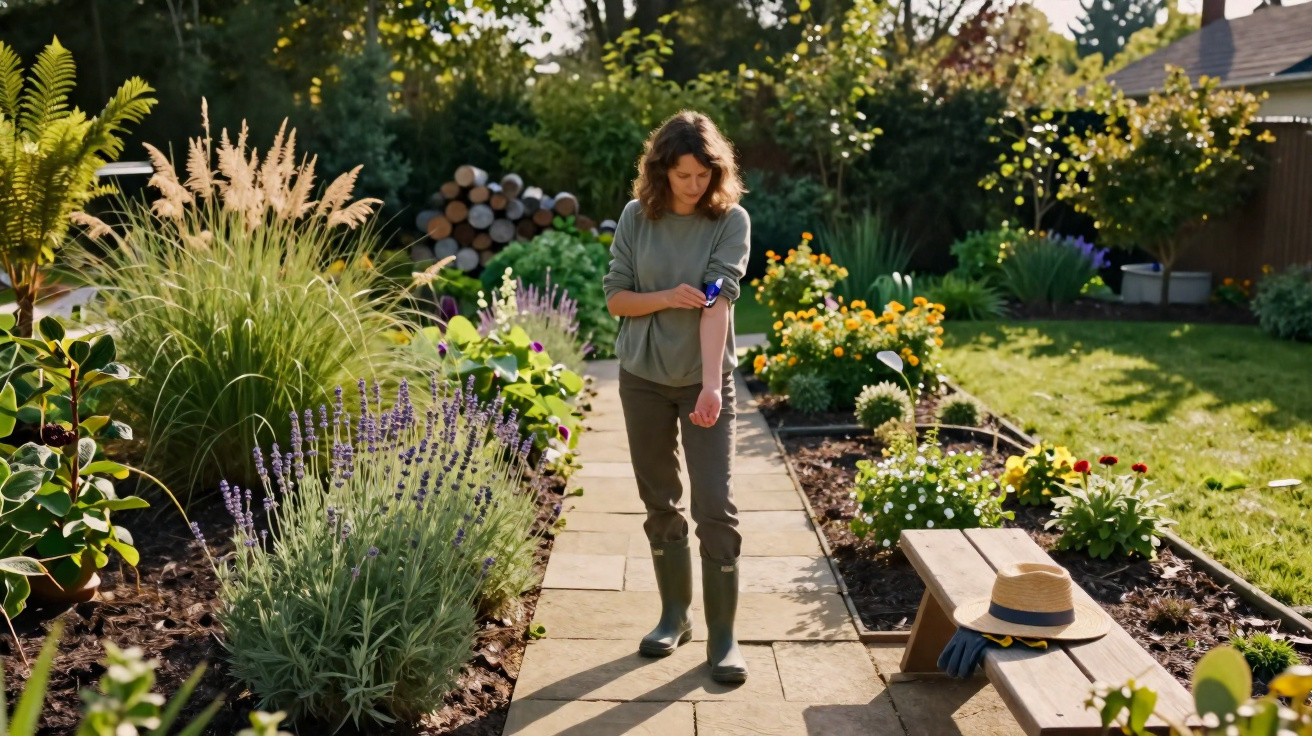
Many garden owners focus on flowers, fragrance and appearance – yet few consider how appealing their green haven may be to ticks. Some plants and garden features provide these parasites with ideal hiding places. Knowing what they are and taking targeted action can substantially reduce the risk of tick bites and illnesses such as Lyme disease.
Why ticks thrive in gardens
Ticks require three things: moisture, shade and hosts whose blood they can feed on, including people, dogs, cats and wild animals such as hedgehogs and mice. An ordinary home garden can easily offer all of these conditions.
“Anywhere that is dense, slightly damp and shady, the likelihood of encountering ticks rises – even in a well-kept terraced-house garden.”
These creatures usually wait in grasses, shrubs or leaf litter from a few centimetres above the ground up to around one metre high. When a potential host brushes past, they cling on or climb upwards.
Plants and areas that act like tick magnets
Rather than individual plant species, it is mainly particular garden structures that attract ticks. Certain plants and areas create the ideal microclimate of shade and moisture.
Tall grass and unmown corners
Long, uncut grass is one of the most important places for ticks to stay.
- Wildflower meadow strips directly beside a patio or play area
- Unmown lawn edges along fences or walls
- Overgrown banks with grass and weeds
In these spots, the ground-level layer remains damp, dew lingers for longer, and ticks can wait relatively undisturbed for passing animals.
Dense shrubs, hedges and undergrowth
Groups of shrubs and hedges form cool, shaded areas that are ideal for ticks, particularly close to the ground.
- Dense shrubs with numerous low-growing branches
- Hedges extending right down to ground level
- Untended undergrowth at the edge of the garden
Dark, impenetrable sections of hedge are especially popular. If they are never pruned or thinned out, they offer ticks a perfect place to hide.
Ferns, brambles and dense conifers
Some plant types occur particularly often in tick-rich gardens because they create damp, shaded niches:
- Ferns: they favour partial shade and moist soil, while their dense foliage retains humidity.
- Brambles: their thorny, heavy canes form impenetrable thickets where leaves and moisture become trapped.
- Dense conifers (for example spruces, firs and some arborvitae): these are very shady near the base, where needles and leaves accumulate beneath them.
This combination of dense growth, limited air movement and ground cover means that the soil dries slowly, allowing ticks to survive there for considerably longer.
Fruit trees, leaf piles and wood stacks
Fruit trees have a dual effect: their shade and fallen leaves create hiding places, while their fruit attracts wild animals.
- Build-ups of leaves beneath trees or in corners retain moisture and provide shelter.
- Wood stacks or old boards create dark, damp gaps that suit ticks and their host animals.
- The edges of paths and beds where leaves are left in place are classic tick zones.
“Leaf and wood piles at the edge of the garden are often the unseen breeding grounds for tick populations, especially when mice and hedgehogs live there.”
Damp areas and water features
Ticks cope poorly with dry conditions, so they favour places with higher humidity:
- Partly waterlogged corners of the garden
- Pond edges with dense planting
- Areas where irrigation drips continuously
- Shaded lawns that dry out poorly
Where water collects or soil stays permanently damp, tick survival increases significantly.
Plants that are more likely to deter ticks
Some plants are particularly unsuitable for ticks, especially strongly scented herbs and aromatic ornamental plants. They can make areas where people spend time in the garden somewhat more “tick-unfriendly”.
Aromatic herbs to deter ticks
Many garden owners already grow these plants. Used more densely around a patio or seating area, they can be useful:
- Rosemary
- Lavender
- Lemon balm
- Thyme
- Wormwood
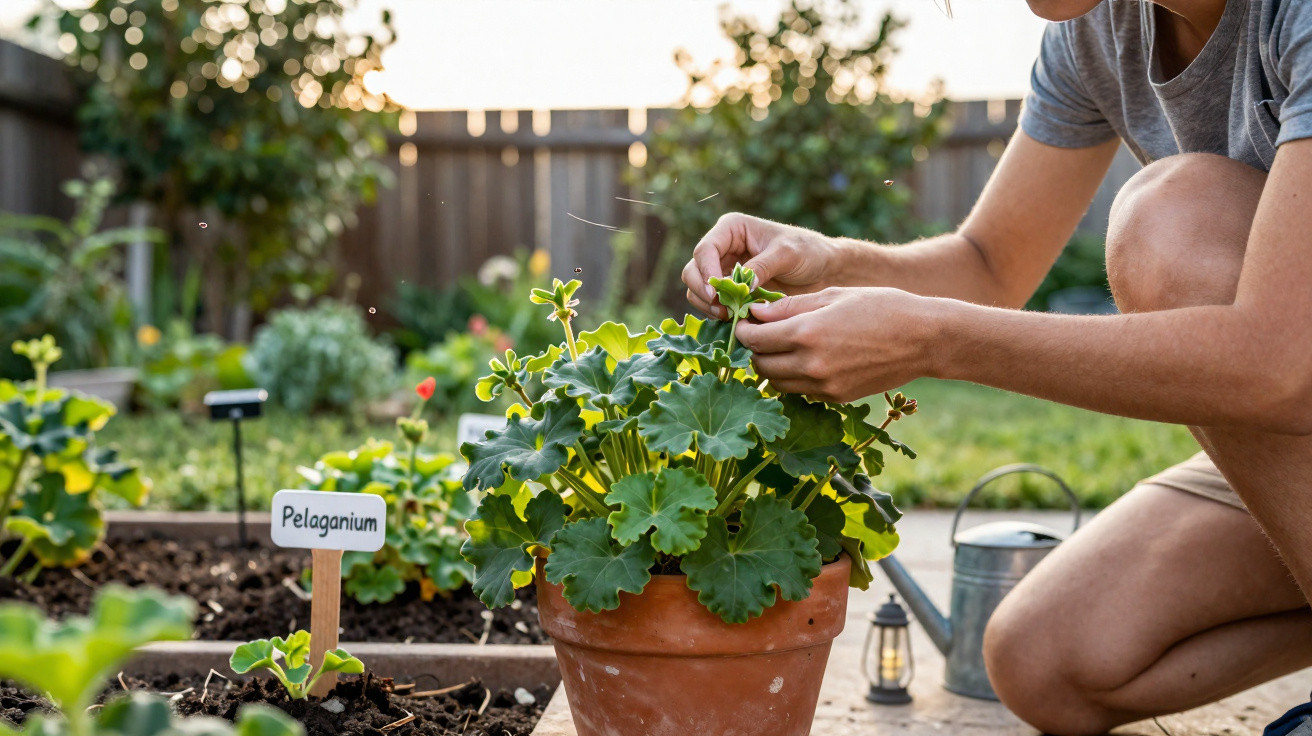
- Lemon-scented geraniums
They are no substitute for protective clothing, but they may create an additional natural “scent barrier”.
How to make your garden less attractive to ticks
Reducing the risk does not mean clearing everything radically. The aim is to manage problematic areas selectively.
Garden care that removes tick habitat
- Mow the lawn regularly and trim grass edges.
- Thin out bushes and hedges, particularly at the bottom, so air and sunlight can reach the soil.
- Remove leaves repeatedly in autumn and spring, especially from paths, beneath trees and beside seating areas.
- Keep wood stacks as dry and well ventilated as possible, and do not place them directly beside play or resting areas.
- Improve damp problem areas by adding drainage, loosening the soil and reducing overly dense planting.
“The drier and sunnier an area of garden is, the poorer the survival chances for ticks – especially in places where children play.”
Natural barriers and practical measures
Certain garden layouts can make it harder for ticks to reach heavily used areas.
| Measure | Benefit |
|---|---|
| Wide strip of gravel or chippings around a lawn / play area | Dry, hot and unsuitable for ticks – makes it harder for them to move onwards |
| Herb border with lavender and rosemary around seating areas | Pleasant fragrance and an additional barrier against ticks |
| No tall grass along paths and patio edges | Fewer contact points where ticks can be brushed off onto people |
| Play equipment placed on sand or bark mulch rather than directly on grass | Drier surface and lower tick density |
If heavily affected areas are suspected, temporary sticky traps can even be used: lay wide adhesive tape with the sticky side facing upwards. Ticks become stuck to it and can then be disposed of.
Personal protection in your own garden
Even in a well-maintained garden, individual ticks can still occur. A few straightforward habits can greatly reduce the risk.
- Wear long trousers and long-sleeved tops when gardening in taller vegetation.
- Choose light-coloured clothing, as ticks are easier to spot on it.
- Tuck trouser legs into socks or boots so ticks have less chance of reaching the skin.
- Use tick repellent on skin or clothing, especially for children and when spending time in wilder parts of the garden.
- Check your body and clothing briefly after being in the garden, paying particular attention to the backs of knees, groin, armpits and scalp.
Anyone working frequently in long grass can also loosely wrap adhesive tape around their ankles. This is a simple way to catch ticks before they crawl further up.
What to do after a tick bite
Ticks are not insects but arachnids. They are roughly the size of an apple seed, flat, and brownish to reddish in colour. They should be removed as soon as possible.
- Use a dedicated tick removal card or tick tweezers from a pharmacy.
- Grip the tick as close to the skin as possible and pull it out slowly and steadily.
- Disinfect the bite site and keep an eye on the skin over the following days.
If a noticeable redness develops that expands or appears ring-shaped, it should be assessed by a doctor. The same applies if flu-like symptoms occur after a bite.
Finding a balance between a natural garden and safety
Those who enjoy wildlife-friendly gardening do not need to keep every corner clinically tidy. A wilder area at the far edge of the property can deliberately remain a “nature zone”, while spaces around the house, patio and play equipment are designed to have fewer ticks.
It helps to be clear about where people and pets spend most of their time. These are precisely the places where a combination of regular maintenance, aromatic plants and dry, clearly visible structures is worthwhile. The garden can remain full of life – without becoming a minefield for ticks.













Comments
No comments yet. Be the first to comment!
Leave a Comment