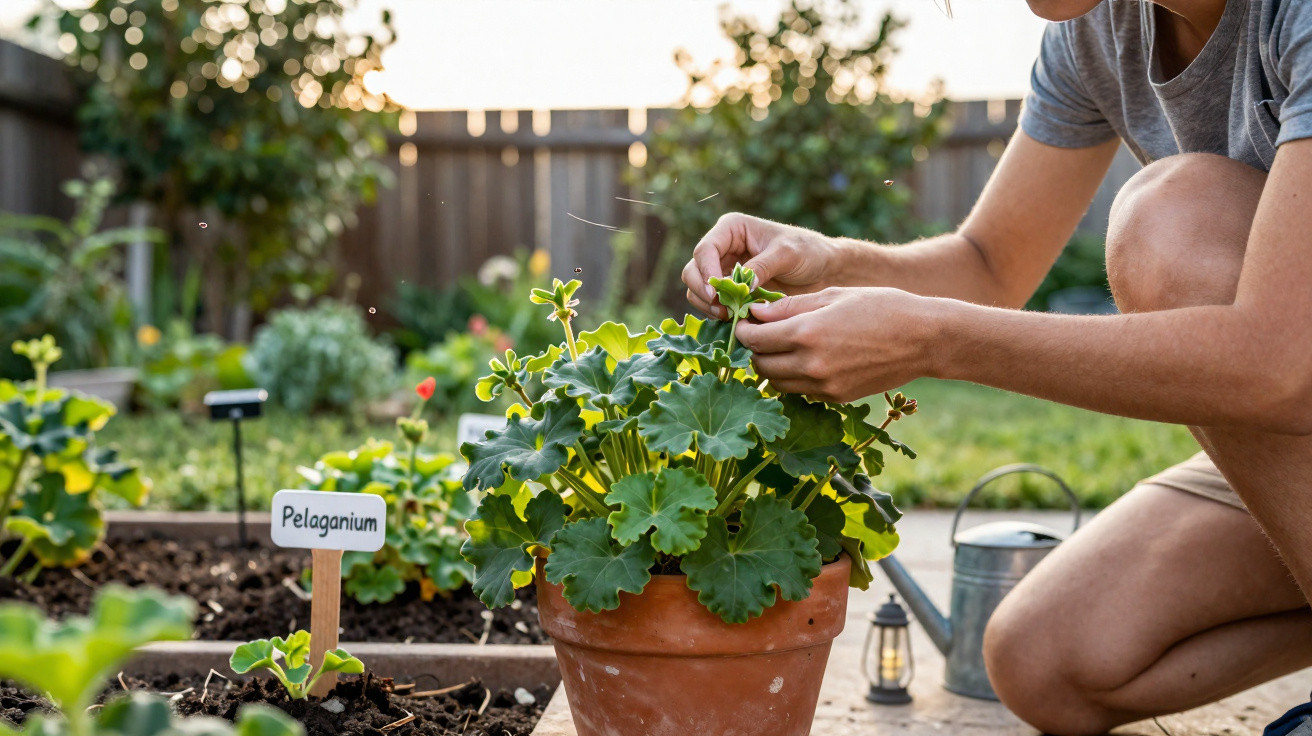
A modestly looking scented shrub can make a real difference.
With the first mild days, springtime feelings are not the only thing to return. Two rather unwelcome visitors also appear: mosquitoes that relish every bare ankle, and ticks lying in wait for their next host in the undergrowth. Anyone wanting to enjoy their patio and garden in peace is no longer relying solely on sprays and chemicals – one particular plant with a powerful lemon scent is now considered a leading natural tip against these pests.
Why your garden attracts mosquitoes and ticks
Many gardens offer ideal conditions for blood-feeding pests, often without their owners noticing. Just a few small features can make mosquitoes and ticks feel at home.
Ticks favour partially shaded, slightly damp spots: lawns allowed to grow a little too long, dense hedges, spreading ground cover, or an untidy edge filled with leaves and scrub. These are the places where they wait for knees, ankles, or the paws of dogs and cats.
Mosquitoes mainly need water, and it can accumulate more quickly than you might expect:
- Saucers beneath plant pots containing leftover water
- Water butts without a suitable lid
- Watering cans, buckets or bowls left outdoors
- Blocked gutters or puddles on covers and tarpaulins
As soon as spring temperatures rise above roughly 10 to 15 degrees, the first mosquitoes become active. Ticks get going at around 7 degrees – initially in spring and then again in force during autumn. The risk is clear: ticks can transmit illnesses such as Lyme disease, while mosquitoes at least leave itchy, swollen bites and can cause sleepless nights on the patio.
“Those who plant their garden wisely can noticeably reduce the number of bites and tick bites – without poison and without a constant cloud of spray.”
The overlooked defence: lemon-scented geranium
The plant in question is one many people do not even see as a “protective shield”: the lemon-scented geranium, often simply called a lemon geranium (botanically, usually Pelargonium citronatum or similar varieties). At first glance it resembles an ordinary scented geranium, but it has deeply feathered foliage and releases an intense citrus fragrance as soon as it is touched.
Depending on its variety and care, this shrub can reach between 40 and well over 100 centimetres in height. It grows into a bushy, ornamental plant that looks equally at home on a balcony, patio or garden bed. While its leaves appear almost delicate, its scent is remarkably strong.
That very fragrance is what makes the plant so interesting. Its leaves contain, among other compounds, geraniol and citronellol. Both also occur in many natural insect sprays and scented candles, and are known for their deterrent effect on biting and stinging insects.
What research says about its effects
In studies, geraniol has already produced notable results:
- High concentrations of geraniol reduced the number of ticks attaching themselves by considerably more than half.
- In outdoor settings, geraniol diffusers were able to keep away a large proportion of mosquitoes.
Naturally, a lemon-scented geranium does not create an invisible barrier around your home through which no mosquito can pass. However, the plants can noticeably reduce the insect burden around seating areas and paths – particularly when positioned thoughtfully and combined with other precautions.
How to position lemon geraniums correctly
In the Central European climate, the plant is happiest in a pot, as it does not cope well with wet winter conditions or severe frost. Anyone wishing to keep it as a long-term garden resident is better off treating it as a container plant.
Position, soil and care
- Position: Choose a spot that is as sunny and warm as possible; a patio, south-facing balcony or bright place against the house wall is ideal.
- Growing medium: Use free-draining, loose potting compost, ideally lightened with a little sand or expanded clay.
- Watering: Water regularly, but avoid waterlogging. The pot should have drainage holes.
- Feeding: From spring until late summer, feed every two to three weeks with a liquid fertiliser for flowering plants.
From March or April, once severe night frosts are no longer expected, the lemon geranium can be put outside. In areas with mild winters this may sometimes be possible earlier, although cautious gardeners should bring it into a hallway or garage for cool nights.
Where the plant offers the greatest benefit
For protection from ticks and mosquitoes to have a genuine effect, placement matters almost more than the number of pots.
| Area | Recommended placement |
|---|---|
| Patio / balcony | Around the table, beside chairs and loungers, and along the railing |
| House entrance | To the left and right of the front door, or in front of the patio door |
| Children’s area | At the edge of the sandpit, play area or bench |
| Garden paths | At narrow points where foliage is easily brushed against |
Before an evening meal outdoors, one small action is worthwhile: gently rub several leaves between your fingers to release more of their aromatic compounds. This intensifies the scent and leaves it lingering in the air for a while.
Direct skin protection – can the plant be used for it?
Many garden owners instinctively crush a leaf between their fingers and rub the fragrance onto their arms or ankles. This may provide a little extra protection, but it is not a substitute for tested repellent sprays, especially in areas with a high tick risk.
Anyone wishing to use the scent should proceed carefully:
- First test it on a small patch of skin to check for irritation.
- It is better avoided by children, allergy sufferers and people with very sensitive skin.
- Contact with the eyes and mucous membranes must be avoided.
Essential oil based on the plant is also commercially available. It should always be diluted in a carrier oil, such as almond or jojoba oil, and should only be used around children, pregnant people and pets after professional advice. Many vets warn that essential oils can be problematic for dogs and, above all, cats.
How to make your garden less appealing to blood-feeding pests overall
The lemon geranium works best as part of a broader protective approach. Anyone who places just one pot on the patio while changing nothing else may soon be disappointed.
“The combination of thoughtful planting and simple hygiene measures reduces the risk of stings and bites most noticeably.”
Useful additions to scented plants include:
- Limit water sources: Keep saucers empty, cover water butts and tip out forgotten buckets.
- Keep grass moderately short: This is especially important around play areas and along paths.
- Leaf and wood piles: Do not store them directly beside the patio or children’s play area.
- Body checks after outings: Following woodland walks or playing in long grass, check bodies and clothing for ticks.
Where space allows, lemon geraniums can be combined with other strongly scented plants, including lavender, lemon balm, catmint or French marigolds. Each species adds different aromatic compounds, and many insects noticeably avoid this mixture.
When the investment is especially worthwhile
Households in which children, dogs or cats spend a great deal of time outdoors stand to benefit most. Ticks favour dense fur and uncovered areas of skin, while mosquitoes are particularly drawn to people sitting or lying still for long periods in the evening – precisely the situations in which you want to relax.
Those living near woodland, meadows or standing water often notice the greatest difference. Tick and mosquito populations are generally higher in such locations. The lemon-scented geranium does not lower the overall risk in the way that a vaccination or tick repellent does, but it creates a kind of “disruptive haze” within the area’s scent profile – and that is often enough to encourage many insects to move a few metres away.
The plant is also appealing to people who want to avoid chemical insecticides where possible or do not wish to reach for a spray can constantly. Anyone already using a conventional mosquito spray can use the garden plant as an additional barrier, thereby reducing the amount of repellent needed on their skin.
There is another benefit that many people notice only later: for most people, the lemon geranium has a pleasantly fresh scent, almost like a blend of lemon and a light rose note. It therefore does practical as well as decorative work on the patio – and it is this combination that makes it the quiet star of the coming gardening season.














Comments
No comments yet. Be the first to comment!
Leave a Comment