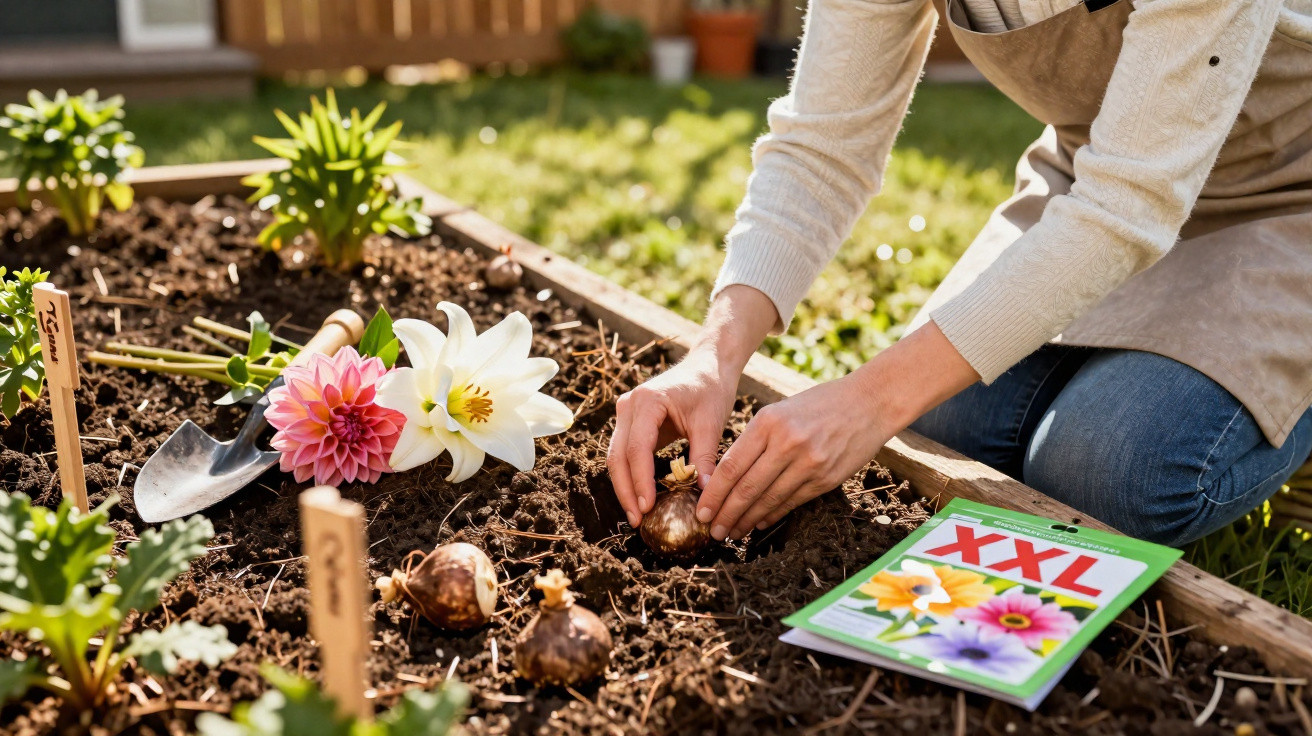
Anyone hoping for huge flowers in the garden this summer needs to act now – one small March job can shape the entire season.
While borders still look bare and many people are focused on lawnmowers and weeds, experienced gardeners are already concentrating on something else: summer-flowering plants that are planted as tubers and bulbs at this time of year. British television gardener Alan Titchmarsh and plant expert Sarah Raven explain why March is the pivotal month, and which varieties can positively burst into bloom in July and August.
Why March is the crucial month for summer-flowering bulbs
March falls into the gardening “sweet spot”: the soil is thawing, the days are becoming brighter, yet the real heat is still some way off. Many summer flowers need precisely this transitional period to establish strong roots.
“Planting summer tubers in March gives the plants several weeks’ head start – and that later pays off in flower size and flowering duration.”
Gardening guides generally give a planting window from late February to early April. Many professionals advise planting as soon as possible after purchase. Bulbs and tubers can quickly dry out in their bags, or rot if they are left too long.
When they are in the ground in good time, the following happens:
- They develop a dense root system before the summer sun truly arrives.
- They cope better with dry spells.
- Flowers usually appear more reliably and in greater numbers.
- The flowering period from June to August is more abundant.
This is particularly appealing for beginners: summer-flowering bulbs are comparatively inexpensive, need little maintenance and create an impressive effect even in small gardens or on balconies.
Plant these summer tubers now for XXL flowers from June
Anyone wanting to make the most of colour at the height of summer should choose a March mix of tall statement plants and full, long-flowering varieties. The key groups include:
Tall focal points for borders
The best choices for striking, tall planting schemes are:
- Lilies: majestic blooms, with many varieties offering a strong fragrance.
- Gladioli: tall, intensely coloured flower spikes that are ideal for cutting.
- Freesias: relatively low-growing but highly scented, and well suited to the front of a border.
- Crocosmias: fiery, usually orange-red sprays that add movement to a border.
All begin life as a bulb or tuber, and reward early planting with sturdy stems and large flower heads.
Bold colour for borders and containers
For substantial flower balls and long ribbons of bloom, the experts recommend, among others:
- Dahlias: from small pompons to enormous dinnerplate blooms, they make ideal centrepieces.
- Alliums: ornamental spherical flowers that add structure among perennials.
- Begonias: perfect for partially shaded spots and capable of flowering for months.
- Irises (bearded irises): their distinctive flower shapes create architectural accents.
Alan Titchmarsh is particularly enthusiastic about plants that form “cushions of flowers” in pots and small borders. His examples include:
- Begonias for shade and partial shade,
- Petunias for vivid hanging baskets and window boxes,
- Verbenas as summer-long flowering plants,
- Rudbeckias for warm yellow and orange shades extending into autumn.
The planting method matters: rather than scattering individual tubers around, professionals recommend groups of four to six of each variety.
“Several tubers of the same variety planted together look like a colourful carpet from a distance – individual plants usually get lost visually.”
How to plant and care for summer bulbs properly in March
The right position and soil
Most summer tubers prefer a sunny to partially shaded position and soil with good drainage. Waterlogging is their greatest enemy.
Useful rules of thumb:
- Work some sand or fine gravel into heavy clay soils.
- For sensitive plants such as lilies, place a drainage layer of gravel beneath the bulb.
- In very wet gardens, grow them in pots or raised beds instead.
Planting depth and spacing
Many gardening books suggest planting at a depth around two to three times the height of the bulb or tuber. Large dahlia tubers should therefore sit considerably deeper than small allium bulbs. Spacing depends on the plant’s eventual height; pots can be planted a little more closely to create a fuller display.
Professional-style container planting
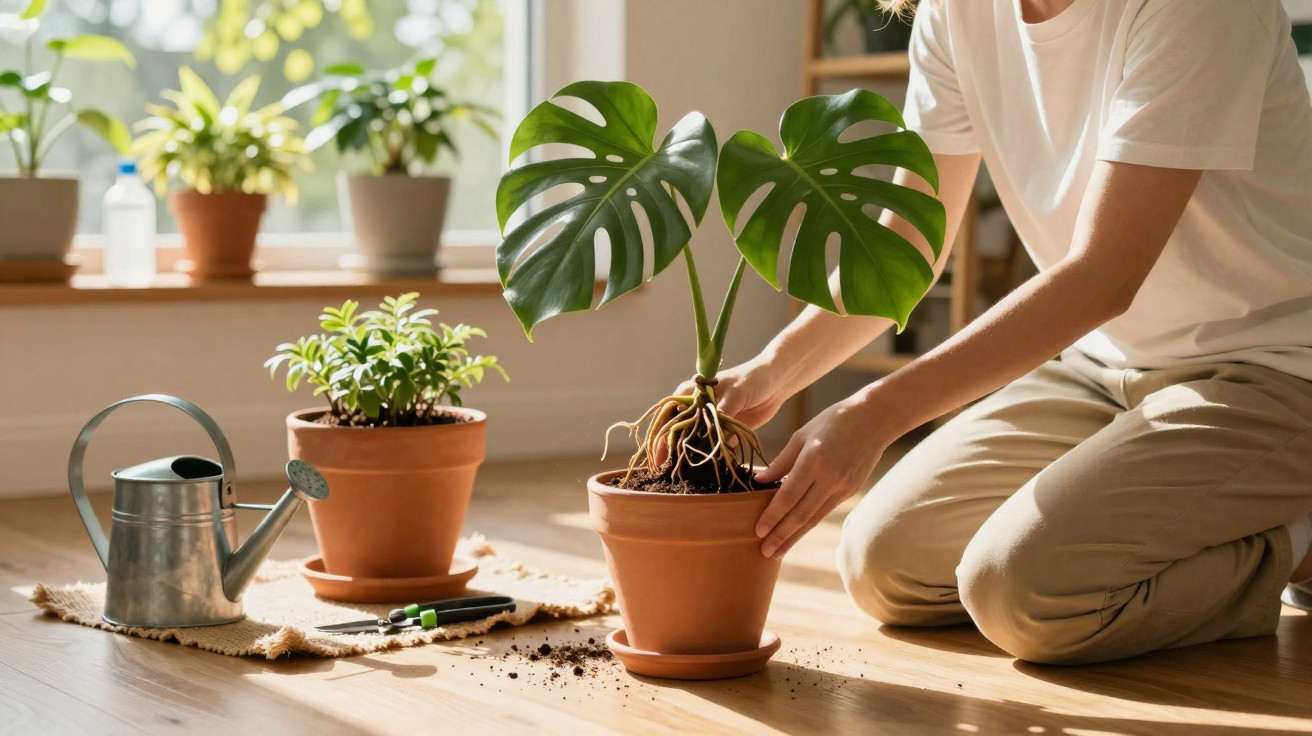
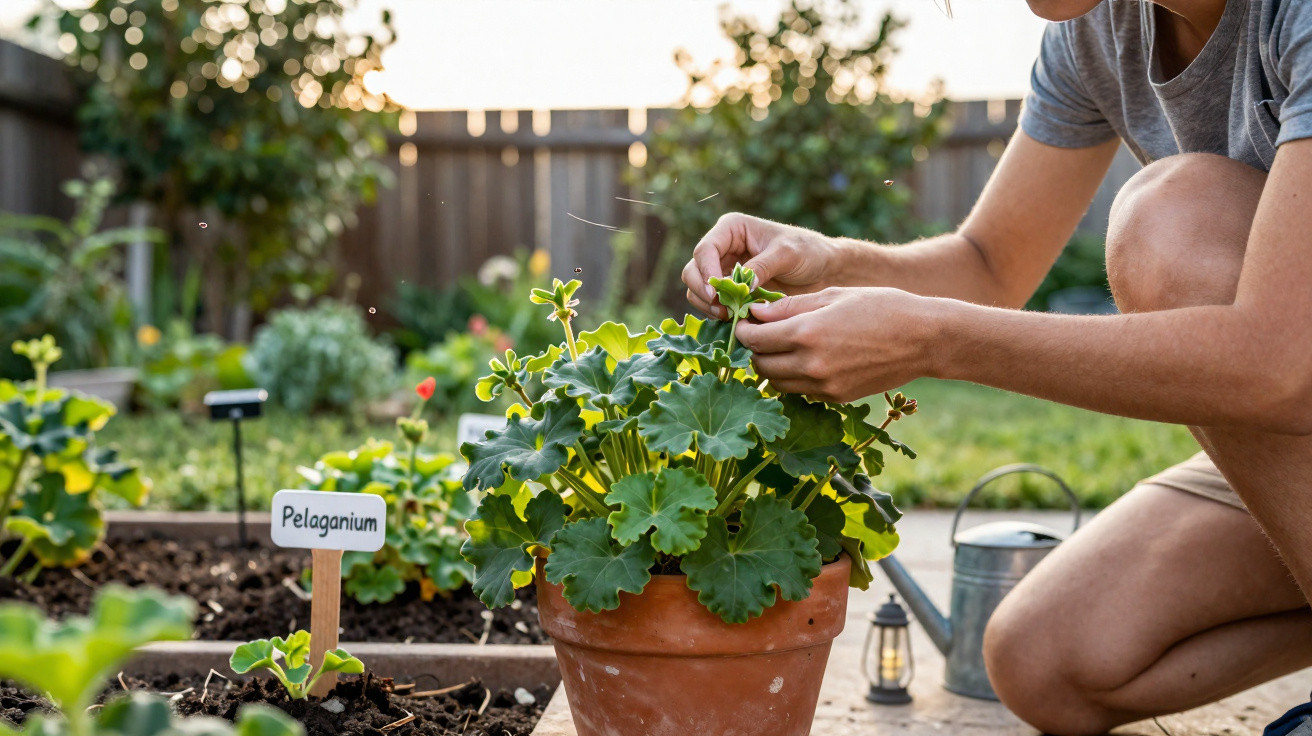
Alan Titchmarsh likes to use large terracotta pots. His method is as follows:
- Check that drainage holes are clear of compost or leaves.
- Add a thin layer of broken terracotta or gravel.
- Put in several centimetres of peat-free compost.
- Position the tubers with the pointed end facing upwards, spacing them evenly.
- Fill with compost, leaving a 1–2 cm watering gap at the rim.
Planting in a border works in much the same way, just without the pot: dig a hole, add drainage where required, position the tubers, refill with soil and firm gently.
Water correctly – more is not always better
Water thoroughly once after planting so that the soil settles around the bulbs. After that, water less frequently but deeply, rather than dampening only the surface every day.
“The top of the soil can dry out briefly, but the root area should remain lightly moist – constant wetness quickly causes rot.”
Anyone prone to forgetting to water can apply a thin mulch of composted bark or fine gravel in pots. This reduces evaporation and keeps the surface looser.
Hidden pests in tubers: protecting your floral display
One issue many amateur gardeners underestimate is that pests can arrive in the border “free” with the tuber. Tiny insects called thrips are especially troublesome. They often hide between a bulb’s scales and lay their eggs there.
The damage generally becomes visible only months later:
- distorted buds,
- brownish patches on petals,
- silvery streaks on foliage.
Anyone who has experienced this type of damage before should inspect new tubers briefly before planting:
- Use only firm specimens that have not become soft.
- Carefully brush away loose soil and dry outer skins.
- Cut away suspicious areas, and discard heavily affected tubers.
Many professionals favour a gentle pre-treatment: spray tubers with a mixture of water and a mild potassium soap or soft soap product. If only ordinary washing-up liquid is available, use a very small squirt per litre of water, spray the tubers, allow them to dry, then repeat after a few days.
For sensitive types such as dahlias or tulips, these washes are not always suitable. In such cases, a visual check and the removal of soft or noticeably discoloured specimens is often enough.
Mistakes that can cost you your summer flowers
Many issues with summer-flowering plants can be traced back to a few common mistakes:
- Planting too late: tubers planted only in late April or May often fail to get going properly, or flower much later.
- Storing them in a warm cellar or garage: this can dry them out or turn them into a pest hotel.
- Waterlogging: especially in containers without drainage, rainwater and irrigation water collect and the tubers rot.
- Planting singly: isolated tubers look lost, and the big “wow effect” never materialises.
“Anyone who leaves their tubers in a warm corner for half a year and then simply throws them into the border is wasting these plants’ full potential.”
Getting more from your summer garden
Gardeners who use March wisely often plan colour themes at the same time: for example, a warm-toned border with orange dahlias, yellow rudbeckias and red crocosmias, or a cooler area featuring white lilies and purple alliums.
A practical tip: plants you regularly want to cut for indoor arrangements should have their own cutting bed. Gladioli, dahlias and lilies can be planted more densely there, as gaps are barely noticeable later when stems are cut along the way.
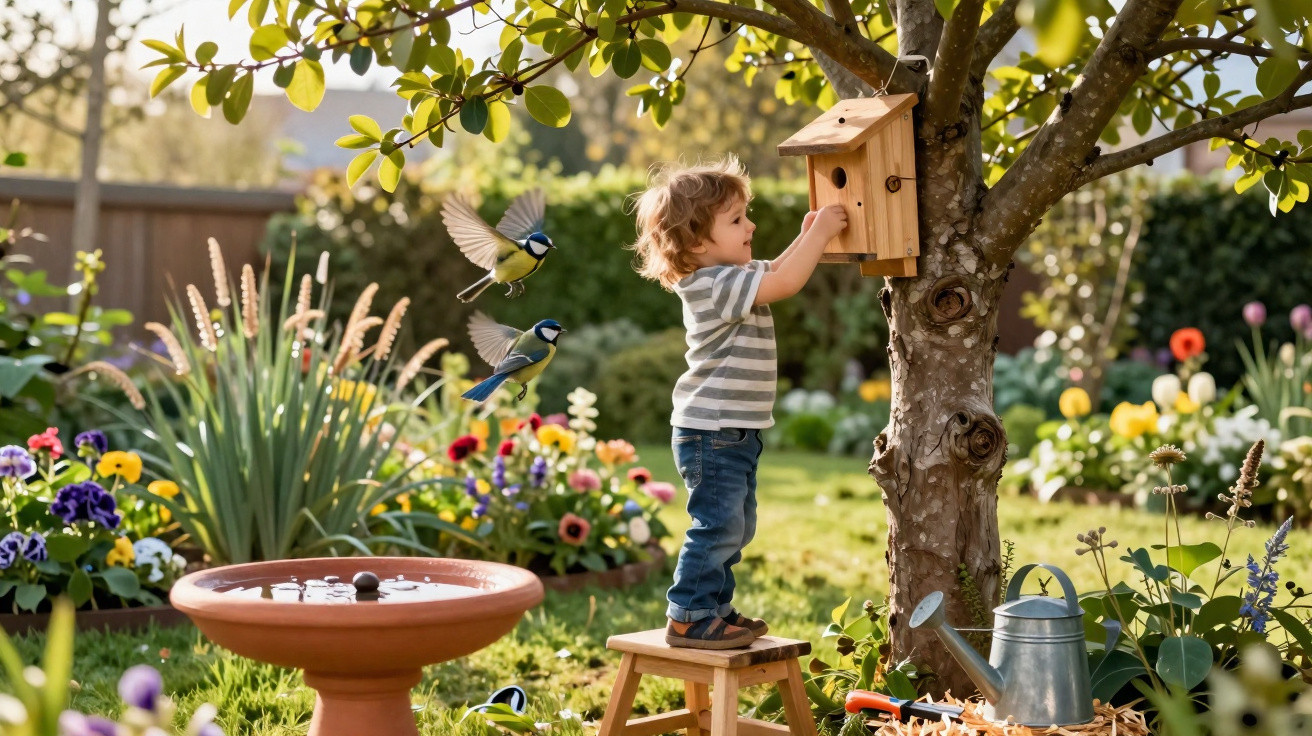
For households with children, summer tubers are a great way to introduce gardening through play: estimate bulb sizes, measure planting depth, and check each week to see which variety emerges first. This turns the March task into a small family project – and transforms a bare border into a stage full of flowers well into late summer.












Comments
No comments yet. Be the first to comment!
Leave a Comment