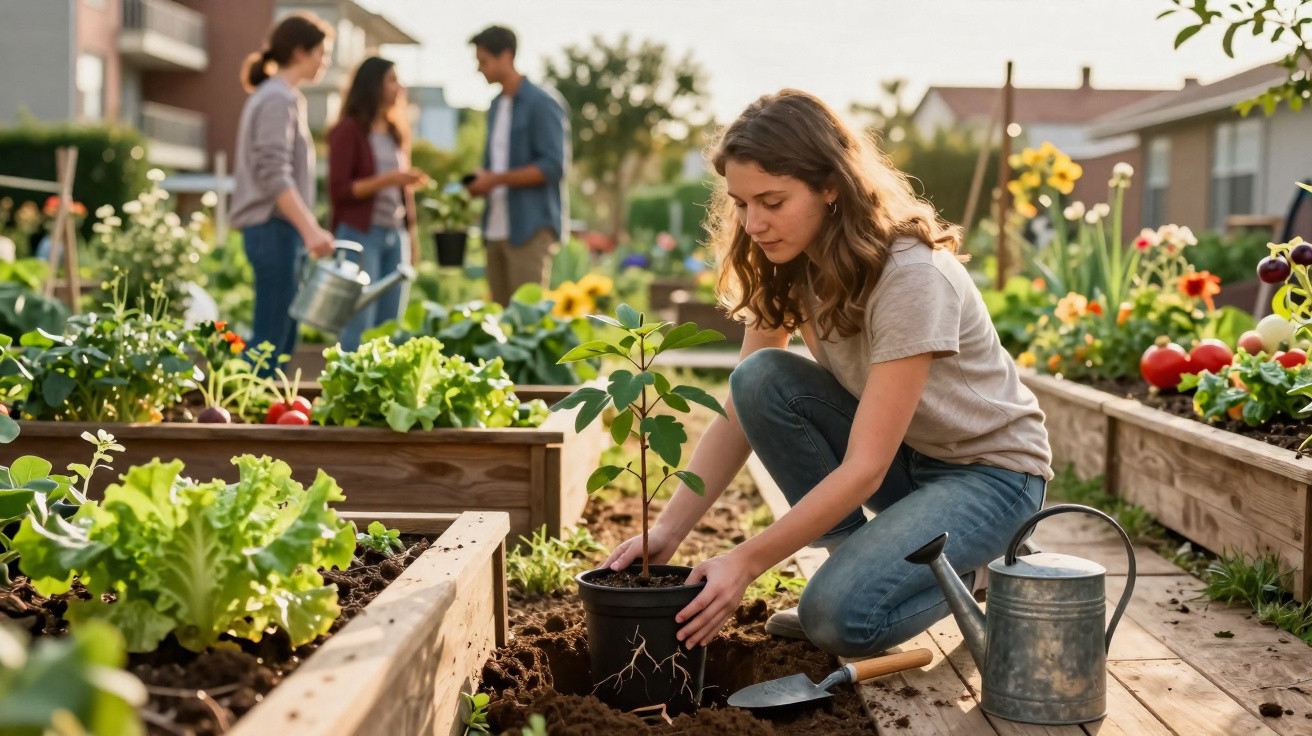
What may sound like a modest hobby becomes a new focal point in life for many city dwellers: a patch of soil, room for fruit trees, a few vegetables and a table for family and friends. The story of Momo, a retired man from Montpellier, shows just how profoundly a garden can change both the flavour of fruit and everyday life itself.
A plot of land worth waiting years for
Momo spent his working life as a bricklayer and restaurant owner. Afterwards, he lived in a flat with a terrace – a typical urban arrangement. Yet he still longed to feel real soil beneath his feet. So he put his name on the waiting list for a community garden in his neighbourhood, then waited for three years.
When he finally received a plot of around 120 square metres, his delight was immense. His first view of it briefly tempered that excitement: tall grass, old roots and an overgrown corner. Rather than being put off, he got to work.
He marked out paths so that nobody would later tread on the beds. He turned the old shed at the end of the plot into a combination of greenhouse and summer kitchen. A barbecue was installed, along with benches where his grandchildren could sit, draw, play and watch.
Little by little, an overgrown patch becomes a place where vegetables grow, children laugh and neighbours start talking.
Why fruit trees thrive in proper soil
The real turning point was not the lettuces, but four trees: lemon, orange, mandarin and fig. For years, they had stood in containers on Momo’s balcony. They did bear fruit, but always looked as though they were struggling, with dry roots, limited space and fluctuating temperatures in their pots.
With his new plot, he made a decision: the containers had to go, and the trees would be planted in the ground. He dug a generous planting hole for each trunk. The roots gained room, moisture could spread more evenly and soil life supported the trees.
How to move fruit trees from pots into the ground
Anyone wanting to transfer fruit trees from a balcony or terrace to a garden or allotment should follow a few straightforward rules:
- A generous planting hole: at least twice as wide as the root ball, but no deeper than the soil level in the pot.
- Mix good soil: combine the existing garden soil with mature compost to keep it loose and rich in nutrients.
- Loosen the root ball: carefully break up tightly packed circling roots so they can grow out into the new soil.
- Water thoroughly: immediately after planting, let 10 to 20 litres of water soak in slowly.
- Create a wide watering rim: build a small ridge of soil around the tree so that water does not run away.
During the first year, watering correctly matters above all else. Depending on the heat, one deep watering every seven to ten days is usually enough. The important thing is to water less often but thoroughly, rather than adding only a little every day. A mulch ring five to ten centimetres thick around the trunk keeps moisture in the soil for longer and suppresses weeds.
In containers, fruit trees are constantly battling heat and a lack of space. In the ground, they grow more calmly and steadily – and the fruit is often larger and more aromatic.
Easy vegetables for quick successes
Momo does not choose complicated crops; he chooses wisely. He selects varieties that beginners can manage well and that put something on the plate quickly. This helps to keep motivation high, particularly for anyone moving on from a balcony with just a few pots.
These crops are ideal for getting started
- Lettuces: sown in rows around 20 centimetres apart, they provide early harvests and reveal whether the soil is loose or heavy.
- Potatoes: pre-sprouted tubers are planted 10 to 15 centimetres deep, with about 30 centimetres between them in each row.
- Broad beans and peas: they need only light canes for support and prefer soil that stays fresh rather than drying out.
- Strawberries and mint: both spread readily, appeal to children and bring fragrance to the beds.
- Melons and watermelons: they need plenty of sun and plenty of space – a distance of one metre between plants is essential.
This combination quickly creates the feeling that “Something really is growing here.” For many city dwellers, harvesting beans they have sown themselves for the first time, or eating a warm strawberry straight from the bed, is a genuine revelation.
The garden as an outdoor living room
What Momo has created is more than a productive garden. The paths he lays out separate the growing beds from the seating areas. The small shed becomes a central base for tools, a coffee pot and pan stands.
The barbecue is not merely decorative: it becomes the focal point whenever friends visit. Simple wooden benches are enough for his grandchildren to sit down, pick fruit, help with watering or simply marvel at how a tomato develops from a flower.
| Area | Purpose |
|---|---|
| Beds | Vegetables, herbs, strawberries |
| Tree area | Fruit trees, shade, mulched ground |
| Shed / summer kitchen | Tools, seeds, coffee break, shelter from the weather |
| Seating area with barbecue | Family gatherings, neighbours, shared meals |
When there is laughter, cooking and storytelling in the garden, it no longer feels like a project – it feels like a second home.
Gardening during heat and dry spells
Summers are becoming hotter and drier in many regions. Anyone new to a community garden notices this quickly: soil dries out faster and plants become stressed more readily.
A few basic approaches help plants make it through the season:
- Water at the right time: early in the morning or late in the evening, when less water evaporates.
- Apply a mulch layer: straw, grass clippings or leaves protect the soil from direct sun.
- Choose heat-tolerant varieties: select tomatoes, beans and fruit varieties bred for warm conditions.
- Protect young plants: if necessary, provide shade with lightweight horticultural fleece during the first few weeks.
Fruit trees benefit particularly from this approach. Once they have developed deep roots, they need less watering than many container plants on balconies. However, the first season after planting out remains crucial.
When growing beds create a community
At Momo’s community garden site, newcomers do not remain alone for long. During his first few weeks, neighbours approached him, shared advice, lent him rakes or passed on surplus seedlings. Anyone walking along a garden path inevitably ends up talking – about tomato varieties, frustrating weather or the best compost mix.
For people who have spent a long time living in an anonymous block of flats, this can feel unfamiliar and liberating at the same time. Suddenly, people know one another’s first names, share watering duties during holidays or sit spontaneously in the sunshine on a crate of beer.
A community garden provides not only vegetables, but also stories, helping hands and the feeling that “We belong here”.
How to make the move from a balcony to a garden
Anyone currently tending only a few planters on a windowsill can take things further without immediately taking on an entire allotment kingdom. A planned approach makes the first steps easier:
- Find out what is available: ask the local council, allotment associations or initiatives about vacant plots and waiting lists.
- Start small: even a bed measuring two by one metre is enough to gain initial experience of soil, sowing and slugs.
- Prepare balcony trees: one year before moving them, water less often and gradually work in high-quality compost so that the roots become more robust.
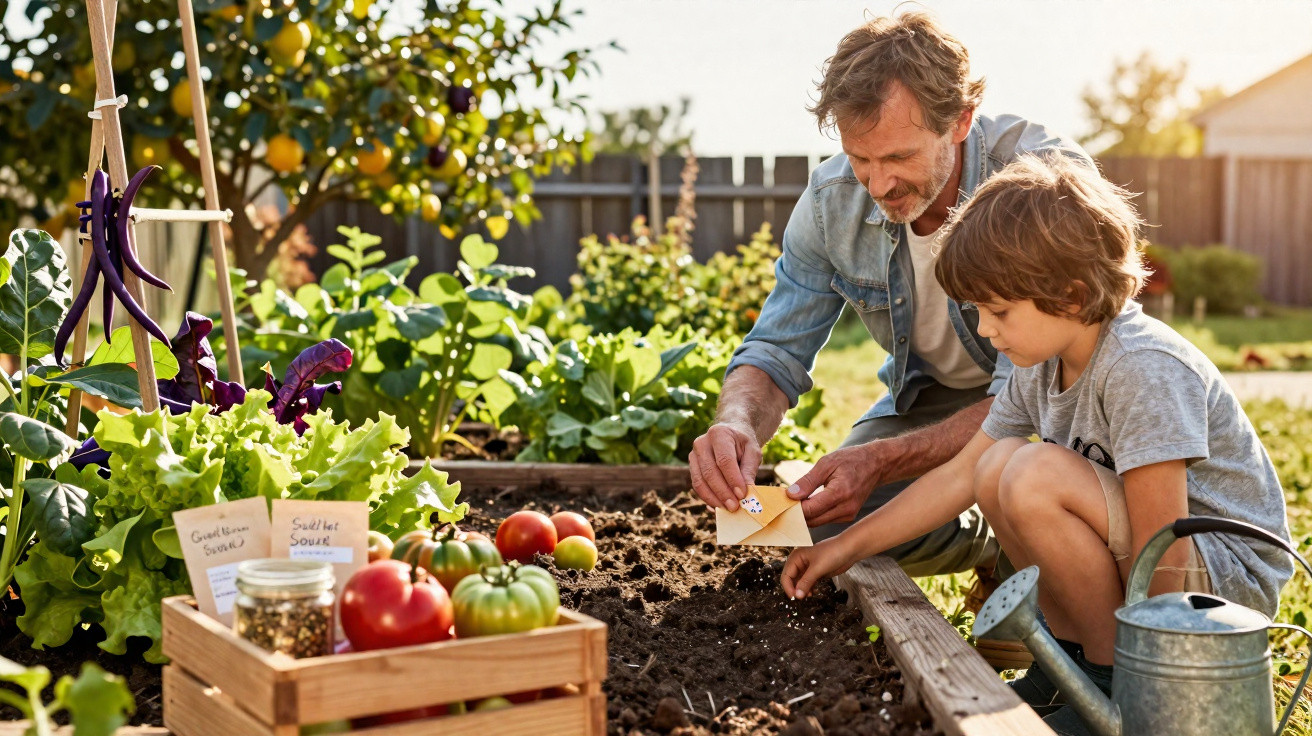
- Involve the family: children can mark out beds, water and harvest, helping them build a connection with the garden.
Anyone who has seen a previously stunted lemon tree put out new growth after being planted in the ground quickly understands why so many balcony gardeners dream of having their own plot. Fruit blossom, fresh air and shared time do not replace a holiday, but they provide a dependable anchor in daily life.
At the same time, such a garden trains the eye: people pay attention to changes in the weather, think about water consumption and try out hardy varieties. As a result, many lose their fear of brown leaves or slug damage – mistakes simply become part of the process.
And anyone without room for large trees can begin with columnar fruit trees, berry bushes in containers or a small raised bed. The experience remains the same: a little soil, some patience and a few simple tasks are enough to turn a balcony dream into a real fruit garden one day.













Comments
No comments yet. Be the first to comment!
Leave a Comment