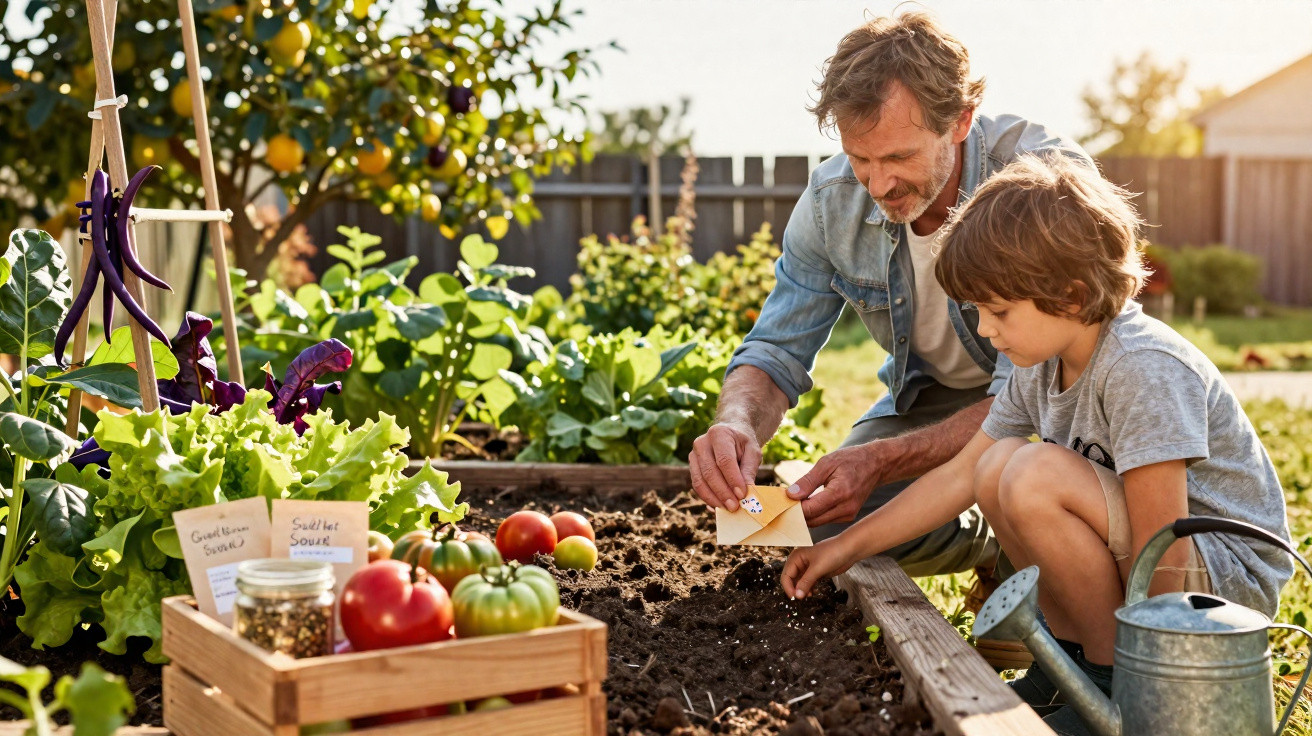
Many people who picture their grandparents’ garden remember wonky carrots, enormous squashes and tomatoes that genuinely tasted of tomato. These “heritage varieties” are now making a powerful comeback – in allotments, terraced-house gardens and even on balconies. For many amateur gardeners, the period around mid-April is the signal to put these trusted classics back into the soil.
Why heritage vegetable varieties are suddenly filling beds everywhere
For a long time, supermarkets favoured vegetables that were all the same size, colour and perfectly round. Industrial farming has prioritised varieties that produce high yields, travel well and look as uniform as possible. Flavour, scent and resilience were often lost in the process.
Heritage vegetable varieties, also commonly called “landraces” or “farm-saved varieties”, quietly survived in the shadow of this development. Gardeners swapped and passed on seeds, preserving lines thought to have disappeared. Today, this very seed is moving back into the spotlight.
“Heritage varieties represent hardy plants, intense flavour and genuine diversity rather than uniform vegetables.”
Three factors are driving the trend:
- Resilience: Many of these varieties are adapted to local conditions and cope better with heat, cold or disease.
- Less chemical input: Choosing resilient varieties often means needing less fertiliser and fewer plant-protection products.
- Flavour: Juicy tomatoes, aromatic beans and sweet squashes – heritage varieties frequently offer a far more intense taste.
There is also an emotional aspect: people grow what their grandparents once sowed. It creates a sense of connection, brings pride and gives the garden a history.
Heritage vegetable varieties worth growing in mid-April
Around the middle of April marks a turning point in many parts of the UK: the soil warms up, days become longer and the risk of frost falls – at least in milder areas. This is precisely when many gardeners reach for packets of heritage seeds.
Four reliable classics to grow now
- Heritage tomato varieties – Fleshy beefsteak tomatoes, yellow pear tomatoes and deep red, almost brown varieties all offer intense flavour and unusual colours. They are ideal for sunny balconies or sheltered beds.
- Climbing beans – Once commonplace, they now seem almost exotic. They grow upwards, take up little ground space and are therefore perfect for small gardens. Many historic varieties crop heavily over a long period.
- Ancient squash varieties – From keeping muscat types to floury culinary squashes, older lines are often remarkably tolerant of unsettled weather and reliably produce large fruits.
- Early radishes – Fast-maturing varieties with a short growing period produce crisp roots within just a few weeks. They are ideal for seeing quick results and encouraging children to enjoy gardening.
Soil temperature is what matters most: if the earth feels cool and sticky when handled, it is worth waiting a little longer. If it is crumbly and pleasant to the touch, most seeds can be sown directly into the bed.
“Rule of thumb: once the soil no longer sticks to your shoes, it is ready for sowing these old treasures.”
Many people begin more tender crops, such as tomatoes or squash, under cover first – indoors, in a greenhouse or beneath a simple polythene tunnel – before planting them outside later.
Prepare the soil so grandfather’s varieties can get off to a strong start
Even the toughest variety needs a good start. The key is to bring the soil to life rather than “overwork it to death”.
Gentle soil cultivation instead of old-fashioned digging
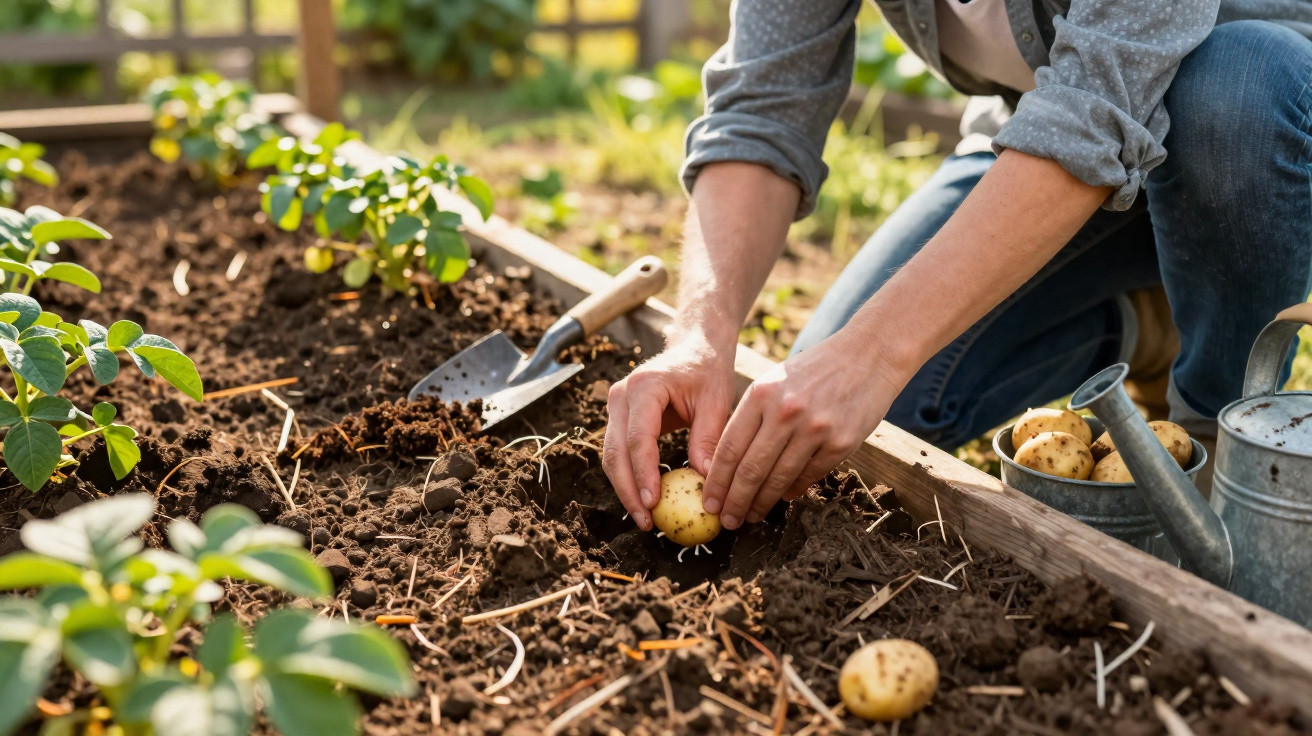
Rather than pushing a spade deep into the ground and turning the soil, many experienced gardeners now loosen only the upper few centimetres with a garden fork or broadfork. This keeps much of the soil life within its natural layer.
A thin layer of mature compost is then spread over the area. It acts as a slow-release fertiliser and feeds earthworms and microorganisms. The soil should break apart into crumbs rather than smear.
| Step | What to do |
|---|---|
| 1. Check the soil | Take a handful of soil, squeeze it and assess it: sticky or crumbly? |
| 2. Loosen | Carefully loosen the surface and break up large clods |
| 3. Add compost | Work in a thin layer of well-rotted compost |
| 4. Level | Use a rake to create a smooth, fine and crumbly surface |
The correct sowing depth matters
Many unsuccessful attempts have one simple cause: seeds are placed either too deeply or too close to the surface.
“Remember: sowing depth = roughly two to three times the thickness of the seed.”
Simply lay tiny seeds, such as many herb seeds, on the surface and press them in lightly. Larger seeds, including beans or squash, can safely be planted a few centimetres deep. Water carefully afterwards – ideally using a fine rose, so the seed is not washed back up.
Care, protection and harvesting: bringing back the flavour of the past
The first weeks after sowing are the most delicate stage. Cold nights, hungry slugs and beds that dry out can seriously disrupt early growth.
Protect young plants from cold and stress
Spring can still bring chilly nights in many areas. Anyone wanting to protect their heritage varieties can use straightforward measures:
- clear plastic cloches or cut-down bottles over individual plants
- horticultural fleece over entire rows, laid on at night and aired during the day
- mulch made from grass cuttings or leaves, once plants are a little larger
Heritage varieties often develop deep roots. They tolerate modest variations in watering better than modern high-yield varieties bred for constant irrigation. The soil should not be allowed to dry out completely, however.
Harvest when fully ripe – do not pick too early
Patience is needed if you want the rich flavour of the past on your plate again. Many heritage varieties only develop their full flavour profile when their fruits are genuinely ripe. This applies particularly to tomatoes, peppers and squash.
“The longer a fruit is allowed to ripen on the plant, the more complex its sweetness, acidity and aroma become.”
Radishes and lettuces, on the other hand, should not be left too long, or they can become woody or hot-tasting.
Saving your own seeds: turn the garden into a seed vault
One major appeal of heritage varieties is that they can be propagated again and again at home. Unlike many hybrid cultivars, these plants produce seed that will yield similar offspring the following year.
From harvest to seed packet in five steps
- Select only healthy, vigorous plants as “mother plants”.
- Allow fruits to ripen fully; for some species, wait until they begin to shrivel slightly.
- Remove the seeds or kernels, clean them roughly and, for tomatoes, often ferment them briefly in water to loosen the gel coating.
- Spread them on paper or cloth and leave them to dry for several days in an airy, shaded place.
- Put them into paper packets, label them with the variety, year and location, then store them somewhere cool, dry and dark.
Working this way gradually builds a small personal collection of historic treasures – independent of supermarket shelves and seed companies.
More than nostalgia: ecological and practical benefits
The move towards heritage varieties has a clear environmental dimension. The more different lines that grow in gardens, the broader the genetic base of our vegetables becomes. This helps us respond to new diseases, pests and climate change.
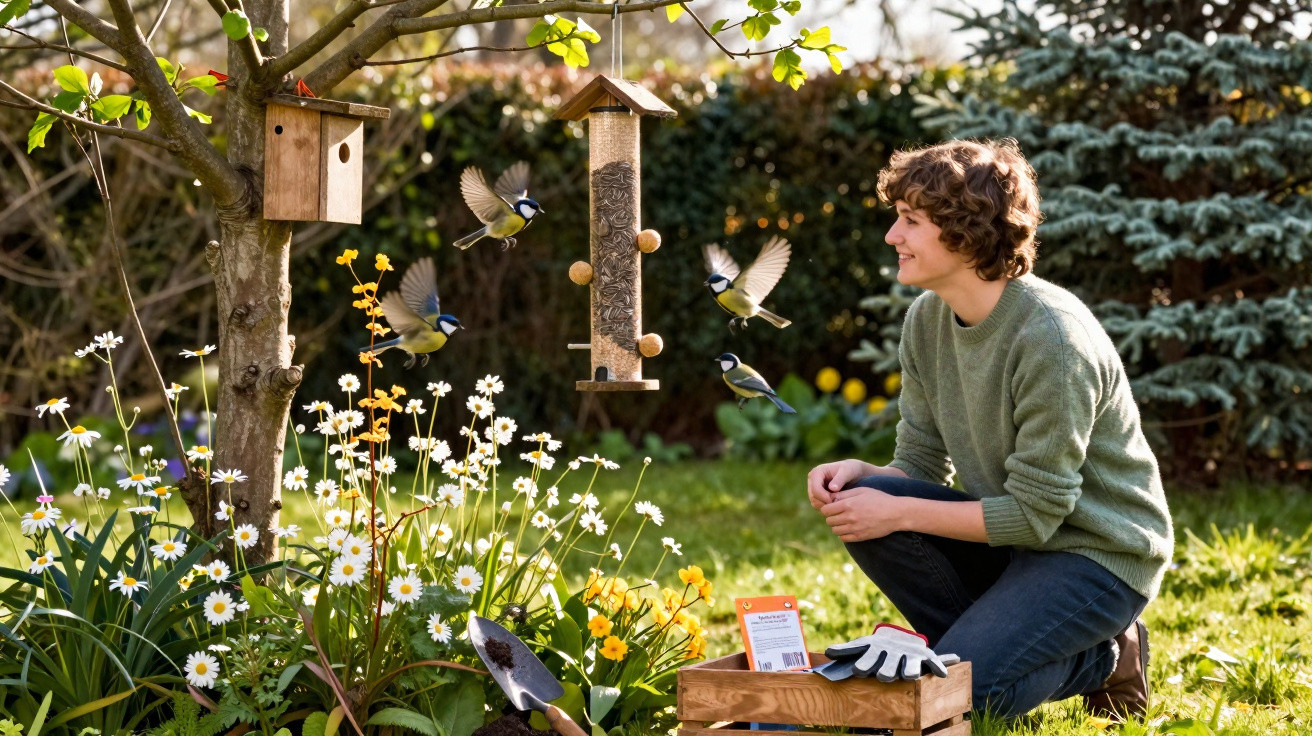
In addition, many older varieties attract insects with their flowers: bees, bumblebees and hoverflies find nectar and pollen, while hedgehogs and birds benefit in turn from the increased number of insects. Even a lightly planted balcony can become a miniature habitat.
Practical advice for beginners
- Begin with only a few crops, such as tomatoes and beans – small and manageable is better.
- Use regional seed initiatives or seed swaps to find tried-and-tested lines from your own climate zone.
- Keep notes: which variety grew where, what was the yield like and how did it taste?
- Choose varieties you genuinely enjoy eating – that is more motivating than exotic experiments.
Anyone who approaches it this way soon notices that heritage varieties bring more than colour to a vegetable bed; they also brighten everyday life. They provide stories, memories and a feeling of self-determination – and they usually taste simply better than what is found on the standardised vegetable shelf.













Comments
No comments yet. Be the first to comment!
Leave a Comment