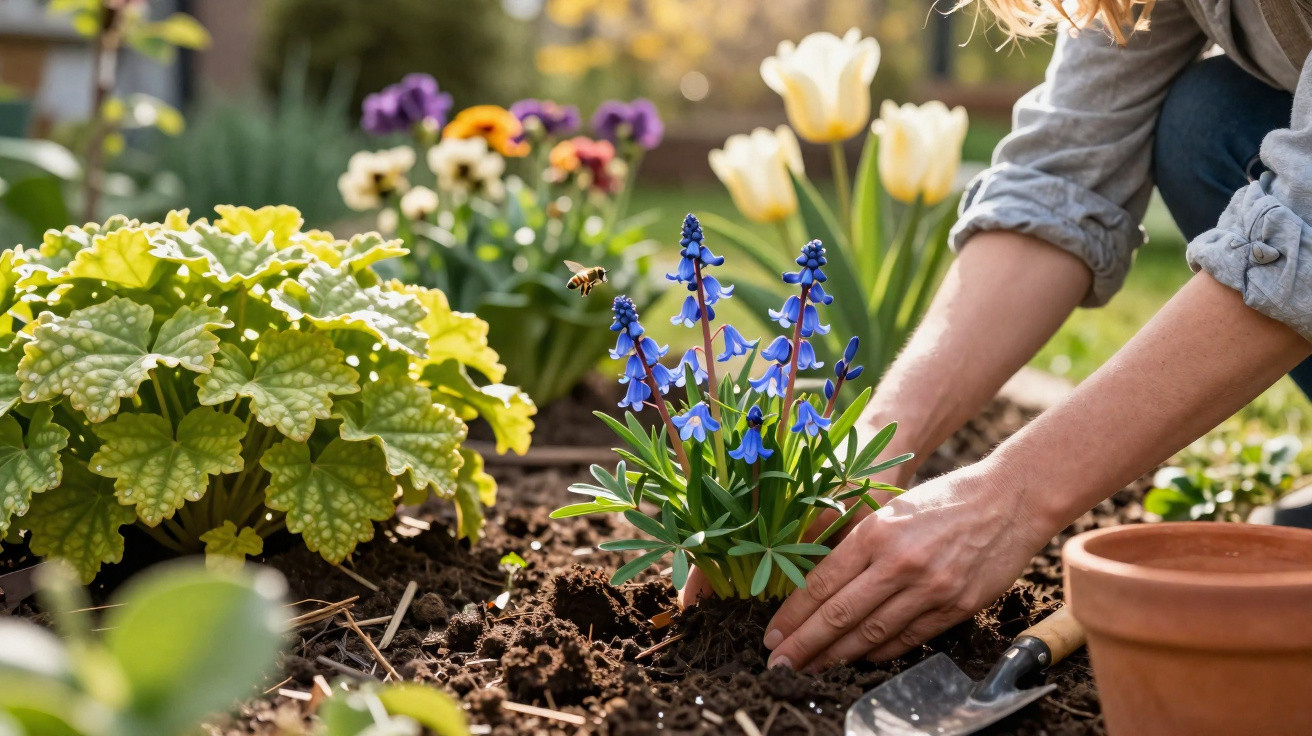
Many amateur gardeners plant whatever happens to be fashionable at the garden centre. Yet there are perennials that are virtually unknown despite being a focal point, a buffet for bees and a boost for biodiversity all at once. One is the remarkable Corydalis ‘Spinners’: a delicate, blue-flowering rarity that greatly enhances any wildlife-friendly garden.
A blue perennial that supports gardens and insects
A walk around the garden in spring soon reveals how limited things can be for bees, bumblebees and butterflies. Particularly in residential areas, very little is flowering yet, while many gardens are made up of gravel areas or closely clipped lawns. This is exactly where Corydalis ‘Spinners’ comes into its own.
“The vivid blue flower clusters provide ample nectar and pollen early in the year – a genuine survival package for pollinating insects.”
This perennial is one of the early spring bloomers. It gets going while many other plants are still dormant. By filling a gap in the flowering calendar, it helps insects survive the critical period between winter and the main season.
It also excels visually: the rich blue of its elongated flower spikes immediately stands out, even in densely planted borders. In wildlife-friendly gardens, it soon becomes an understated star without appearing showy or overly sentimental.
What makes Corydalis ‘Spinners’ so special
Intense fragrance and brilliant blue flowers
The flowers offer more than good looks: they also have an enticing scent. Their subtle, honey-like fragrance acts as a magnet for bees and butterflies. Stand beside the plant for a few minutes and you will see pollinators constantly arriving and leaving.
- Colour: electric, exceptionally clear blue
- Flowering period: mainly spring, with a repeat flush in favourable positions
- Fragrance: sweet, reminiscent of honey
- Value to insects: abundant nectar and pollen, ideal for solitary bees
Especially in urban gardens, where every flowering perennial matters, even a small planting can have a measurable impact on insect diversity.
Delicate foliage and an intriguing colour contrast
The blooms are not the only attractive feature. The foliage of Corydalis ‘Spinners’ resembles delicate fern fronds: finely divided, open in habit and a fresh, light apple green. It forms dense yet airy clumps that move gently in the breeze.
The effect becomes particularly interesting alongside the noticeably darker, sometimes reddish stems. The result is a contrast of pale green, deeper-coloured shoots and radiant blue flowers. Visually, it evokes a miniature mountain woodland border.
“This perennial combines ornamental appeal with ecological value – decorative for people, vital for insects.”
Position and care: helping the blue bee magnet thrive
Despite its refined appearance, Corydalis ‘Spinners’ is not a delicate plant. Follow a few basic principles and it will give pleasure for a long time.
The ideal place in the garden
This plant prefers conditions similar to a lightly shaded woodland edge: not blazing sunshine, yet not deep shade either.
- Partial shade: ideal beneath deciduous trees or beside shrubs
- Morning sun, afternoon shade: highly suitable in areas affected by heat
- No exposed south-facing position on bare stone: it soon suffers from drought stress there
In a traditional cottage garden, it is perfectly suited to the front of perennial borders. In a naturalistic garden, it looks especially effective alongside ferns, woodland perennials and spring bulbs.
Soil requirements: humus-rich, loose and never waterlogged
The key requirement is soil that retains moisture without becoming boggy. The perennial strongly dislikes winter waterlogging, but it also does not tolerate prolonged summer drought.
| Criterion | Recommendation |
|---|---|
| Soil type | humus-rich, loose, slightly loamy |
| Moisture | fresh to slightly moist, but well drained |
| Nutrients | moderate to high, ideally with additions of compost |
| pH value | slightly acidic to neutral |
For heavy, compacted ground, incorporate plenty of compost and coarse sand when planting. Raised beds in a partially shaded position are also a good choice.
Planting, care and division: establishing the perennial for the long term
Corydalis ‘Spinners’ is still rarely available commercially and is generally found only at specialist perennial nurseries. Anyone who comes across a plant should buy it promptly and plant it with care.
Step by step to success
- Prepare the planting hole: Make it twice as large as the pot, loosen the soil and work in compost.
- Ensure drainage: In heavy soils, add a little grit or gravel at the base.
- Set in the plant: Position it no deeper than it sat in the pot and firm the soil well.
- Water in: Water thoroughly and do not allow it to dry out during its first year.
- Mulch: A thin layer of leaf mould or composted bark helps retain moisture.
One major benefit is that the perennial does not die back completely after flowering; instead, it keeps its fine foliage for a relatively long time. This keeps the ground covered and makes it harder for weeds to establish.
Propagating by division – with a delicate touch
After a few years of patience, you will be rewarded with dense clumps. The plant can then be divided carefully. However, its underground rhizomes break easily. It is therefore best to use a sharp, clean blade rather than pulling sections apart roughly.
“With every division, a small network of feeding stations for bees and butterflies grows in your own garden.”
Division is best carried out shortly after flowering, when the plant is still full of sap but no longer at peak flowering. Water the new divisions well and keep them in a shadier place until they have established.
Ideal companion plants and smart combinations
Corydalis ‘Spinners’ has the greatest effect when included in harmonious plant combinations. Its intense blue pairs beautifully with white, pale yellow and soft pink.
Suitable companions include:
- White or pale yellow daffodils
- Sweet violets and other small spring-flowering plants
- Foamflowers and epimediums in partial shade
- Smaller ferns for a woodland-garden appearance
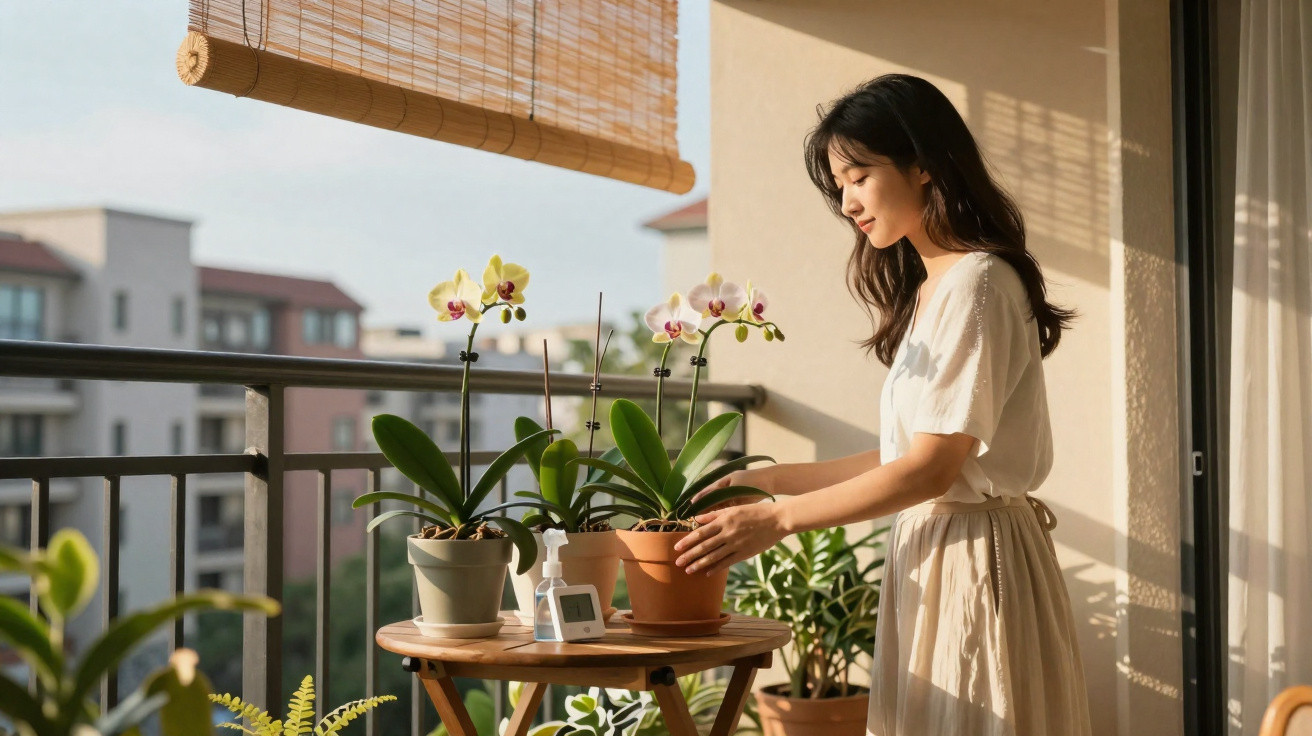
The perennial can also be grown in a container, provided it is deep enough and drains well. On north- or east-facing balconies, even a small bee oasis can be created on the third floor.
Why this rarity is worth seeking out
Many gardeners are hesitant about unfamiliar perennials, especially when they are described as “rare”. Yet Corydalis ‘Spinners’ is not a plant solely for professionals; it is more of an insider recommendation for anyone wanting to do a great deal for nature and appearance with simple measures.
Its contribution to biodiversity is tangible: more flowering, nectar-rich perennials mean more food for pollinators. More pollinators result in improved pollination of fruit trees, berry bushes and vegetable crops. Anyone growing apple trees, redcurrants or squash will therefore benefit directly.
There is also a psychological effect that many amateur gardeners underestimate: a garden full of buzzing, fluttering and fragrance feels alive and calming. Children are more easily inspired by nature when they can watch butterflies up close. In densely built-up neighbourhoods in particular, a handful of such perennials can make a remarkable difference.
For anyone who enjoys planting something distinctive without having to water and maintain it constantly, this blue-flowering bee perennial is an excellent choice: robust, eye-catching, useful – and still rare enough that even experienced gardening friends are often amazed when they see it for the first time.












Comments
No comments yet. Be the first to comment!
Leave a Comment