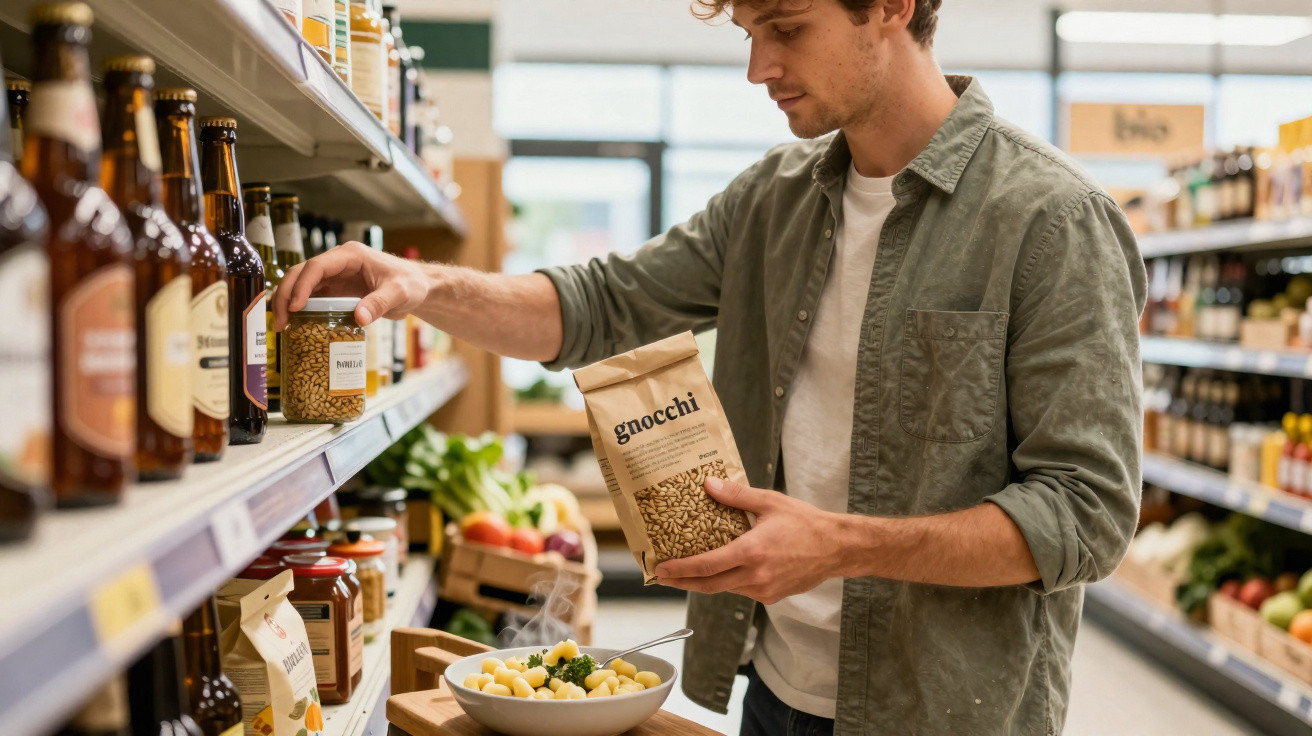
What previously ended up in cattle and pig feed troughs now features in a packet of gnocchi at an organic supermarket. Two young entrepreneurs from France are demonstrating how brewing leftovers can become a retail-ready pasta product, bringing benefits for the environment, nutrition and marketing.
How brewing leftovers become food
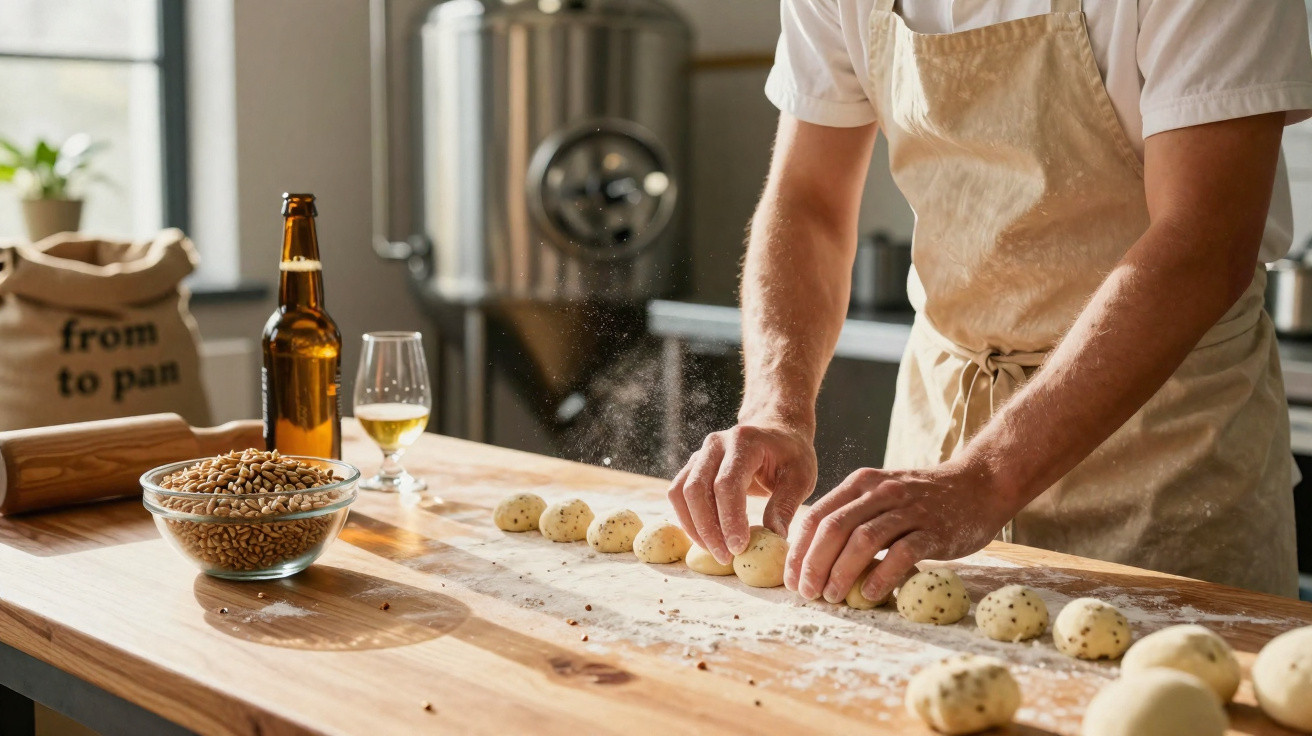
Every batch of beer leaves behind a solid residue known as spent grain: the boiled barley left after brewing. This material still contains plenty of fibre and protein, but is no longer required for the brewing process itself. Traditionally, it is used as animal feed and generates little revenue for breweries.
This is where the two founders' idea comes in. They dry the residue and mill it into a fine flour, which can replace part of conventional wheat or durum wheat flour. In their first product, gnocchi, it makes up 12 per cent of the recipe. The remaining ingredients are traditional: potatoes, flour, a little salt and, depending on the variety, egg.
“A near-worthless by-product is turned into a food item that reaches the shelves of a major organic retailer – priced at €3.40 per pack.”
Consistent quality is crucial. The spent grain must be dried and processed hygienically so that the brewery residue can become a safe food product. This requires partnerships between breweries and processors, while also creating an additional source of income within the brewing system.
The upcycled food trend explained
Upcycling is more commonly associated with fashion and design: bags made from old lorry tarpaulins, belts from bicycle tyres and furniture built from pallets. The idea is still relatively rare in the food industry, despite the large number of by-product streams that are currently left unused.
The principle is simple: a residual material is given a higher value rather than merely being disposed of or used as animal feed. With brewery spent grain, the concept is similar to orange juice production, where fruit peel and fibres could theoretically also serve as a source of dietary fibre.
- Conserving resources: raw materials are used more efficiently.
- Reducing emissions: there is less waste and lower disposal costs.
- Creating new products: manufacturers can stand out with unusual recipes.
- Storytelling: brands can share a sustainability story that appeals to customers.
For the industry, this remains a niche area. Many manufacturers are deterred by the extra work, approval requirements and the risk that customers may react sceptically as soon as the word “waste” enters the conversation.
What gnocchi made from brewing leftovers taste like
The most pressing question at the shop shelf is: can you taste it? According to presentations and initial reports, spent-grain flour adds a lightly roasted, nutty, toasted flavour. The gnocchi are said to have a fuller flavour than versions made solely from potatoes.
This matters particularly to consumers who place great importance on enjoyment. Sustainability alone rarely sells a product. The texture and mouthfeel must be right: the gnocchi must not crumble or turn mushy, and they need to perform normally in a frying pan or saucepan.
“The developers deliberately chose a familiar product: gnocchi are straightforward, suitable for everyday meals and have a positive image – lowering the barrier to trying them.”
At €3.40 per pack, the product sits in the premium organic segment. For its target group of organic shoppers, a credible sustainability story is highly important – and that is precisely what the makers are building on.
More fibre, more protein: what the gnocchi contain
Spent grain contains considerably more fibre and plant protein than conventional wheat flour. Enriching the gnocchi with it changes their nutritional profile: they provide fewer “empty” carbohydrates and more filling components.
For anyone seeking to add more fibre to their diet, this offers a relatively easy option without having to switch entirely to wholewheat pasta. The higher protein content may also appeal to athletes and people monitoring their protein intake, although a 12 per cent share clearly does not make this a pure protein product.
| Aspect | Traditional gnocchi | Gnocchi with brewing leftovers |
|---|---|---|
| Basic ingredients | Potatoes, flour | Potatoes, flour, spent-grain flour |
| Fibre | Relatively low | Significantly higher |
| Protein content | Moderate | Slightly higher |
| Flavour | Neutral, mild | Lightly roasted, nutty |
Opportunities for breweries and organic retailers
For breweries, concepts of this kind open up a new business area. Rather than selling tonnes of residual material cheaply as feed, they can channel part of it into a higher-value supply chain. This reinforces a sustainable image and may deliver additional revenue over the long term.
Organic retailers such as Biocoop, meanwhile, gain a product that clearly differs from conventional supermarket goods. It helps them establish a distinct competitive profile and creates a talking point at the shelf. Anyone who buys gnocchi made from brewing leftovers is likely to tell others about it – with free advertising included.
Could this work in German-speaking countries too?
The approach is likely to attract interest in Germany, Austria and Switzerland as well. Brewing is a strong sector there, while the market for organic and climate-focused products is also expanding. Partnerships between regional breweries and pasta or bakery manufacturers are therefore an obvious possibility.
There are still obstacles, however: approval procedures, hygiene rules, logistics, and the question of how transparently to communicate on the packaging without putting consumers off. Terms such as “brewery leftovers” and “by-product” may be accurate, but they are sensitive – so the story needs to be told positively and clearly.
What consumers should consider
As with any processed food, anyone choosing products like these should check the ingredients list and nutrition information. People with gluten intolerance do not automatically benefit, as barley contains gluten. Allergy sufferers should also check whether other additives are included.
The gnocchi are especially suitable for households that want to cook more sustainably without completely changing their eating habits. Pan-fried and served with vegetables and a quick tomato sauce, they fit easily into an ordinary weeknight meal.
Further ideas for food made from residual materials
The concept can be applied to many other areas. Examples that specialists regularly discuss include:
- Biscuits or muesli made from juice-production leftovers
- Snacks made from coffee-ground fibres or coffee cherries
- Oils and flours made from nut and seed press cake
- Protein products made from by-product streams in soya or pea processing
These developments illustrate just how much the food sector is changing. Amid climate pressure, resource scarcity and rising raw-material prices, every idea that reduces waste and creates new value is gaining importance. Gnocchi made from brewing leftovers are only an initial, highly visible element on the shop shelf – and perhaps a preview of many more upcycled products that will soon follow.






Comments
No comments yet. Be the first to comment!
Leave a Comment