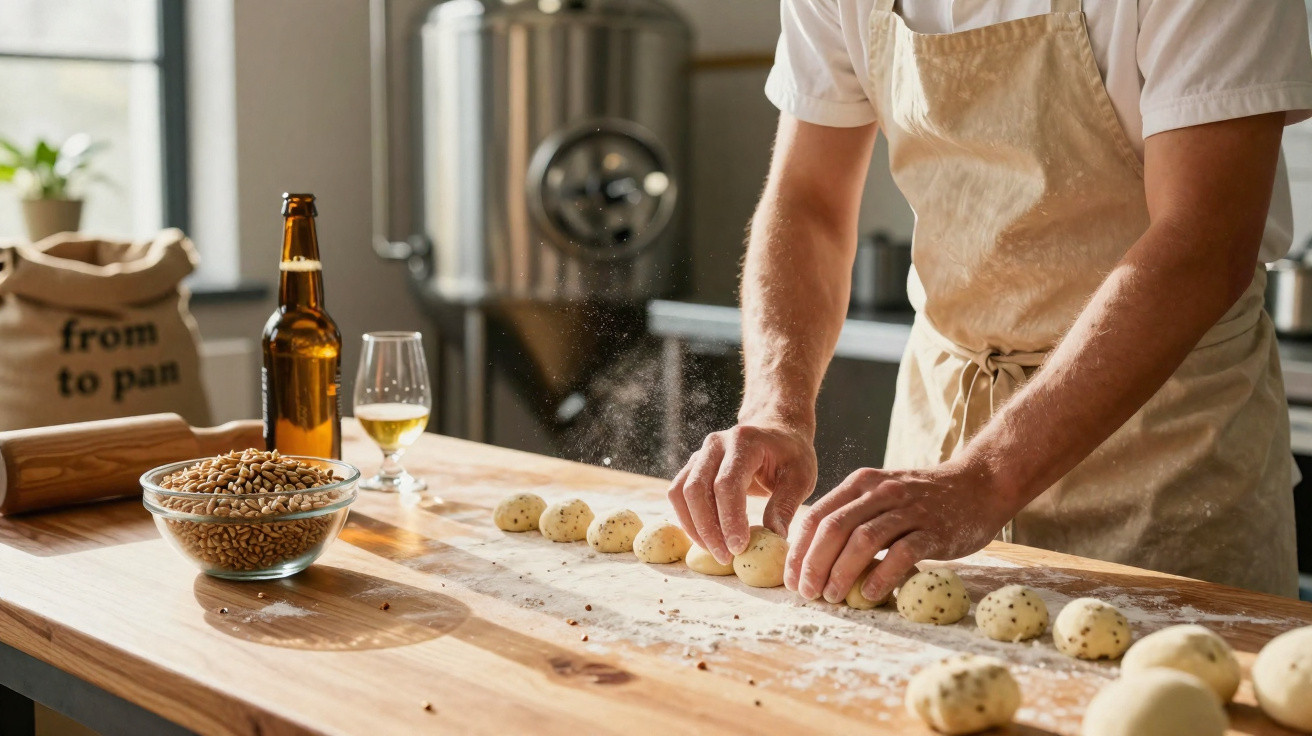
In a small-scale food producer, brewery residues are no longer ending up in animal feed but on dinner plates. A distinctive variety of gnocchi is being made from a by-product of beer brewing, tackling several food-industry concerns at once: waste, nutrient loss and demand for more sustainable products.
The story behind ‘leftover gnocchi’
At first glance, the foundation of these new dumplings is unremarkable: potatoes, flour and a little salt. The difference lies in an ingredient few people would associate with pasta: spent grain, the solid material left over from beer production.
Spent grain is produced when breweries mash and rinse barley or other cereals, then draw off the liquid for subsequent fermentation. What remains is a moist cereal mash. Although it is still technically rich in fibre and protein, the food industry largely regards it as waste.
“A supposedly worthless by-product becomes a new food with its own identity – that is the essence of upcycling.”
This was precisely where two young founders saw an opportunity. Rather than feeding spent grain solely to cattle, pigs or chickens, why not dry it, mill it and incorporate it as flour into food for people? That idea led to spent-grain gnocchi, with around twelve per cent spent grain in the dough.
What food upcycling means
For many people, the term upcycling is more familiar from fashion and design: retired sails become backpacks, old lorry tarpaulins are turned into shoulder bags, and bicycle tyres become belts. The principle is not simply to recycle material, but to create something of greater value.
That same approach is now increasingly entering the food sector. Rather than using waste only for energy recovery or adding it to animal feed, producers are turning it into new goods that go directly onto supermarket shelves.
Typical examples of food upcycling include:
- crackers or snacks made with brewery spent-grain flour
- crisps produced from vegetable trimmings that are too misshapen or too small for retail
- mueslis made from broken nuts and dried fruit
- soups using ‘imperfect’ vegetables with cosmetic blemishes
- spreads made from fruit that is unsuitable for sale fresh
Gnocchi made from brewery leftovers fit this logic perfectly: an industrial side stream becomes a resource rather than a problem.
How brewery waste becomes food
From the brew kettle to the gnocchi pan
Several stages are needed before spent grain can be used as an ingredient. Straight from the kettle, the material is too wet, perishable and difficult to transport over any distance. The founders behind these gnocchi therefore first dry the residue gently before milling it into a fine flour.
Visually, this flour resembles wholemeal flour, but it has a different flavour profile: mildly nutty and slightly toasted. In the gnocchi recipe, it replaces part of the conventional flour. A share of twelve per cent may sound small, yet it is enough to noticeably alter the colour, texture and nutritional values.
| Component | Role in the product |
|---|---|
| Potatoes | Provide the characteristic gnocchi texture |
| Wheat flour | Binds the dough and helps it hold its shape |
| Spent-grain flour | Adds fibre, protein and toasted notes |
| Salt and seasonings | Refine the flavour and aroma |
Packets are sold in organic supermarkets such as Biocoop for around €3.40. This places them in the price range of premium organic pasta, while sending a clear message: upcycling should not be a luxury novelty, but a normal shopping choice.
Does it actually taste good – or is it merely well intentioned?
Anyone who frowns at the phrase ‘food made from waste’ has an understandable reaction. The key question is whether the product delivers from a culinary perspective. For spent-grain gnocchi, the answer is yes, at least according to many testers.
Spent-grain flour gives the dumplings a lightly toasted flavour, somewhat like baked bread. Their texture remains close to that of traditional gnocchi, though with a slightly firmer bite. Frying the gnocchi in a pan intensifies this toasted-aroma effect further.
Suitable accompaniments include:
- sage butter and Parmesan, when the nutty character is intended to take centre stage
- tomato sauce with vegetables, as the rustic note works well with acidity
- creamy mushroom sauce, because mushrooms and toasted flavours complement one another
“Upcycled foods only work if people enjoy eating them – sustainability alone rarely wins shoppers over at the shelf.”
Why brewery leftovers can do more than feed animals
Until now, spent grain has mainly been used for animal feed or in biogas plants. That is preferable to simply discarding it, but it uses only part of the residue’s potential. A considerable proportion of the nutrients originally present in the cereal remains after brewing.
Spent grain offers, among other things:
- a high fibre content that keeps people full for longer
- relevant quantities of plant protein
- micronutrients from the grain that do not transfer into the beer
Fibre in particular is considered lacking in many Western diets. Products such as spent-grain gnocchi can make a practical contribution without requiring consumers to radically change their habits. Pasta and gnocchi already feature on many menus, while this recipe quietly shifts them a little closer towards whole foods.
Obstacles on the route to the mass market
Despite the positive effects, food-upcycling products still have a long journey ahead. Manufacturers face several challenges:
- Reliable raw-material supply: Spent grain is generated in large volumes, but breweries do not all operate to the same standards. Anyone producing food from it needs dependable partnerships and strict quality controls.
- Hygiene and regulation: A ‘waste product’ suddenly becomes an ingredient. This raises questions for authorities and certification bodies, ranging from labelling to traceability.
- Consumer acceptance: Many customers still associate waste with something inferior. Packaging needs to reverse that association and explain the added value without sounding preachy.
- Pricing: Upcycling may suggest a cheap raw material, but in practice it is often costly because drying, transport and processing create additional expense.
The gnocchi model shows how some of these obstacles can be overcome: clear storytelling, transparent nutritional information and a product that works in everyday cooking without complicated preparation.
What consumers can take from this
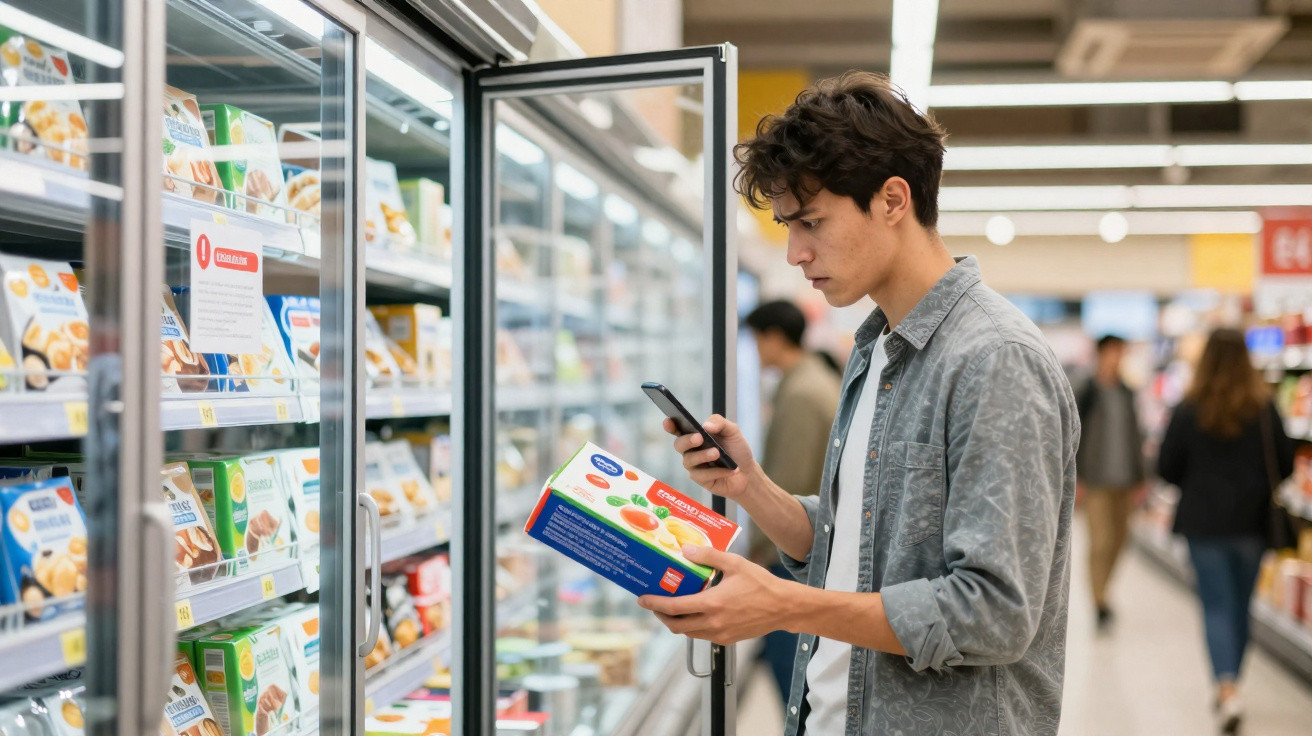
When faced with an upcycled product in the supermarket, shoppers should consider a few points. Looking at the ingredients list reveals how much of the recovered component it actually contains. The twelve per cent spent-grain content in these gnocchi is declared honestly and has a clear effect on both the recipe and its nutritional value.
It is also worth asking whether the product replaces something you would buy anyway, or whether it is merely an additional ‘nice-to-have’. Truly sustainable effects are more likely when an item replaces everyday staples, such as conventional pasta, bread, snacks or breakfast cereals.
Those who want to take action themselves can apply upcycling principles in their own kitchens. Everyday examples include:
- simmering vegetable peelings from organic produce into stock rather than throwing them away
- turning stale bread into croutons, breadcrumbs or bread salad
- transforming leftover rice and pasta into vegetable pan dishes
- using leftover fruit for compote, chutney or smoothies
These steps may be unspectacular, but they save measurable resources and money.
How upcycling changes the view of ‘waste’
Spent-grain gnocchi ultimately represent a shift in mindset within the food industry. Where ‘product’ and ‘waste’ were once kept strictly separate, an intermediate category is increasingly emerging: side streams that are deliberately upgraded. This creates new business models for breweries, room for innovation among start-ups and an additional choice on the shelf for consumers.
Once people understand that beer is not only a drink but also a source of raw materials for other foods, they may begin to view many production processes differently. Wherever large volumes of by-products arise – in juice, coffee, oil or sauce production – there is, in theory, potential for further upcycling ideas. Some will remain niche products, while others will become part of everyday life. Gnocchi made from brewery leftovers show that this transition can succeed when flavour, price and sustainability are kept in reasonable balance.



Comments
No comments yet. Be the first to comment!
Leave a Comment