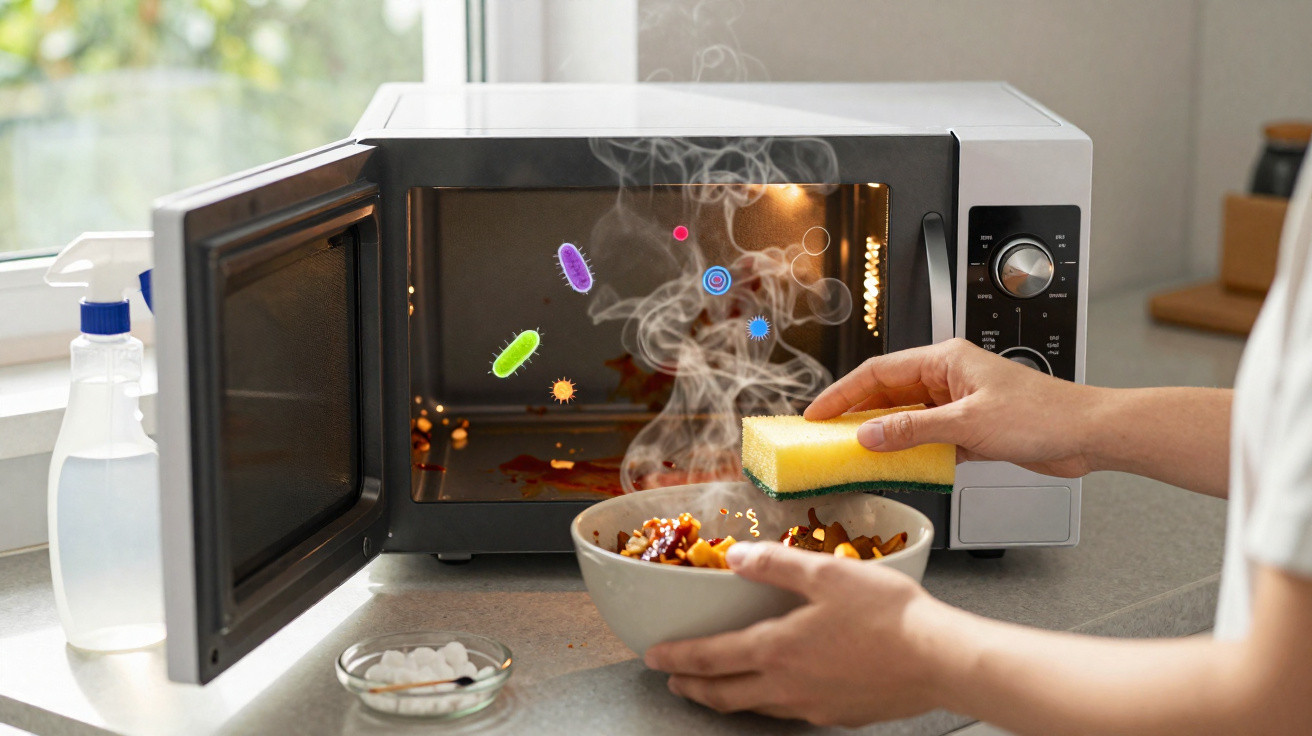
A quiet hygiene experiment is taking place in many kitchens: of all appliances, the microwave can become a surprisingly active bacterial hotspot.
When reheating food quickly, it is easy to assume that the heat “will take care of everything”. A recent study challenges precisely that assumption. Researchers identified an unexpectedly broad range of microorganisms inside microwave ovens, including germs capable of withstanding high temperatures and radiation. What does this mean for health at home and in the workplace?
Heat alone is not enough: why bacteria survive in the microwave
Microwaves heat food rather than the air around it. This creates pockets of heat: while some areas of a meal become extremely hot, others remain merely warm. Residue on the interior walls, around the door seal or beneath the turntable often does not heat up properly at all. This is where the problem begins.
The study indicates that more than 700 different bacterial species can persist inside a microwave oven. Members of the Bacillus and Clostridium genera are particularly successful. These microbes produce spores – a type of “survival capsule”.
“Certain bacterial spores withstand temperatures and radiation at which many other germs have long since died.”
Such spores can lie dormant in crevices, dried-on splashes or beneath crumbs. They remain there until conditions improve. When moisture returns, for example through fresh food debris or condensed steam, they can become active again and multiply.
How do these bacterial nests develop?
In everyday use, minor lapses are enough:
- uncovered bowls that allow sauce and fat to splatter onto the inner walls;
- plates that boil over and are not wiped clean straight away;
- door seals and corners that rarely come into contact with a cleaning cloth;
- shared use in offices, break rooms or shared flats without clear cleaning arrangements.
Over time, a layer of dried food residue develops – an ideal surface for microorganisms that thrive on warmth and recurring moisture.
When do bacteria become a health concern?
Not every germ in a microwave oven causes illness. Many bacteria come naturally from the surrounding environment or from the food itself and are harmless. The risk arises when disease-causing species establish themselves or when germs multiply extensively.
The study, along with earlier research, found pathogens associated with the following complaints:
- gastrointestinal infections involving diarrhoea and vomiting;
- food poisoning caused by toxins that bacteria produce in food;
- inflammation of the skin or mucous membranes in people with weakened immune systems.
This is especially sensitive in shared appliances: kitchenettes in offices, school break rooms, microwaves in hospitals, care settings or canteens. These spaces bring together many users, differing hygiene standards and, in some cases, already compromised immune systems.
“A dirty microwave oven can become a meeting point for germs from many households and foods.”
Keeping risk groups in mind
For healthy adults, a one-off exposure to a small number of germs often has no consequences. The following groups are considerably more sensitive:
- babies and young children;
- older people;
- people with chronic conditions or weakened immune systems;
- pregnant women.
For these groups, particular care is worthwhile when using shared appliances – or, better still, a dedicated and well-maintained microwave oven.
How to stop the microwave becoming a germ spreader
The good news is that the risk can be reduced substantially with a manageable amount of effort. Microwaves are not a “hygiene nightmare” as long as they are cleaned consistently.
The most important everyday cleaning rules
Experts recommend a few straightforward routines:
- Wipe the interior regularly: ideally, use a damp cloth immediately after visible splashes occur.
- Use a disinfecting solution: once a week, wipe the interior with a suitable household cleaner or a mild disinfectant solution.
- Remove the turntable: clean the glass plate and roller ring separately with washing-up liquid.
- Check the door seal: carefully remove crumbs and dried residue from rubber or plastic seals.
- Allow the appliance to dry: after cleaning, leave the door open briefly so moisture can escape.
“A clean interior is the most effective protection against bacterial multiplication – more effective than even the highest power setting.”
Practical cleaning tricks
Many households use simple methods to loosen stubborn residue:
- Place a bowl containing water and a little vinegar or lemon juice in the microwave.
- Heat it for a few minutes, until steam forms.
- Then switch off the appliance and allow the warm moisture to work for a short time.
- Wipe the interior with a cloth; the dirt should come away more easily.
Vinegar is not a replacement for a tested disinfectant cleaner, but it can help reduce deposits and odours. In offices, a fixed cleaning rota is useful – for example, a weekly “microwave shift” rotating between colleagues.
When kitchen germs become high-tech tools
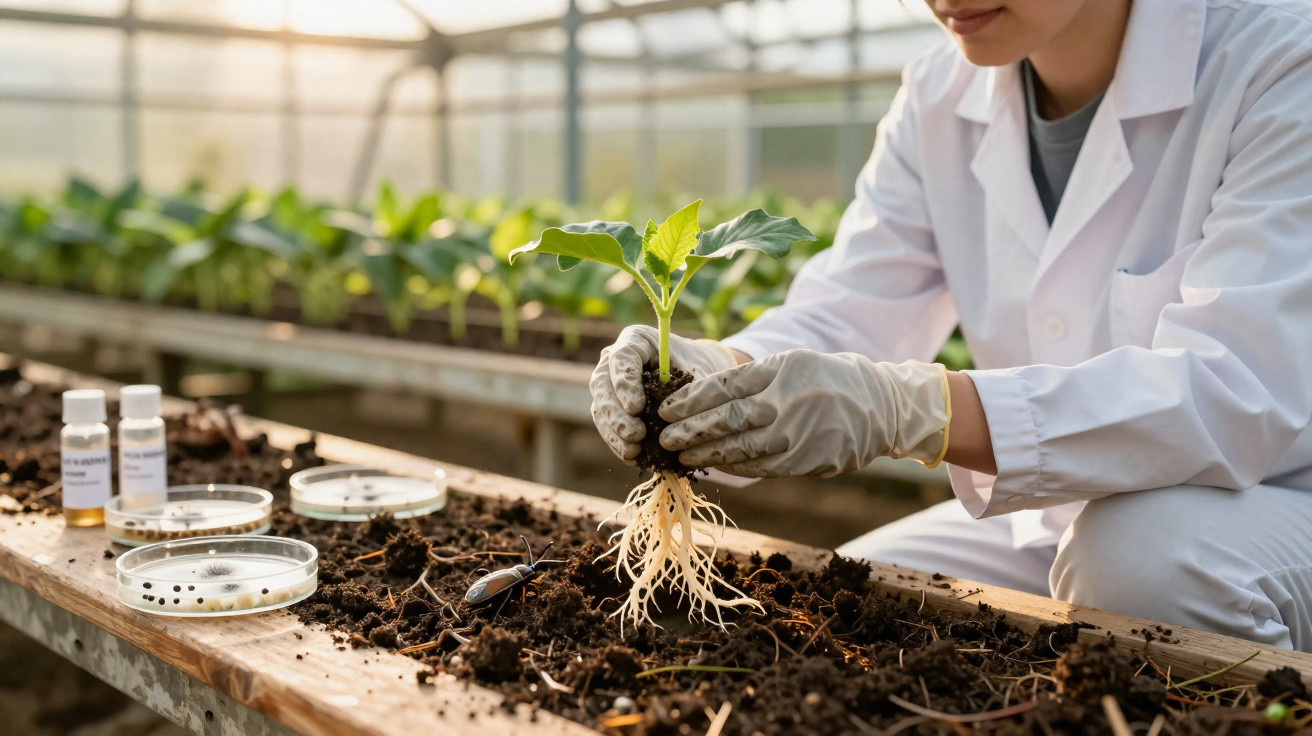
The study is interesting for more than hygiene reasons. Bacteria that tolerate heat and radiation also attract interest from industry and research. In some respects, they resemble so-called extremophile microbes found in hot springs or radioactively contaminated environments.
Potential for biotechnology and industry
These resilient microorganisms can be used in targeted ways. Possible applications include:
- Waste processing under extreme conditions: bacteria that break down organic material even at high temperatures could make bioreactors more efficient.
- Producing heat-stable enzymes: these enzymes remain active at high temperatures and may be suitable for detergents, chemical processes or pharmaceutical production.
- Research into the limits of life: the germs serve as models for testing which life forms might theoretically survive on other planets.
The unassuming microwave in the kitchen therefore becomes an unexpected sampling environment: it provides real-world examples of how microorganisms adapt to hostile conditions.
What households can do in practice
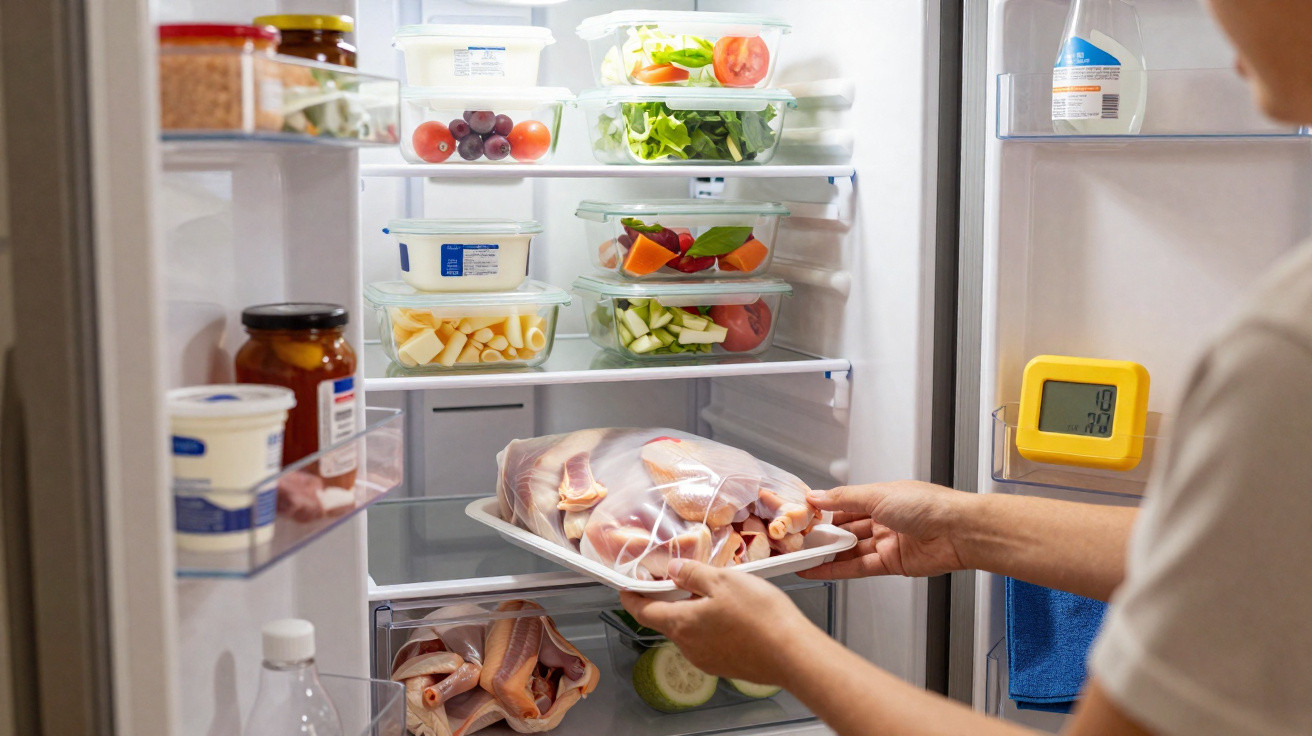
Many people underestimate how closely kitchen hygiene and health are linked. From raw chicken and chopping boards to the microwave oven, small points of contact between germs and food arise everywhere.
Practical everyday tips
A few simple habits can reduce the risk considerably:
- Never leave leftovers from ready meals or sauces in the appliance for days.
- Heat baby food and meals for young children especially carefully, and prepare them in clean containers.
- Check regularly for unpleasant odours or visible deposits inside the appliance.
- Put a clear notice on shared microwaves: “Please wipe clean after every use”.
Anyone who frequently reheats strongly scented food should use containers with lids. This not only keeps the microwave cleaner, but also makes heating more even, placing greater stress on germs in the food.
A closer look at bacterial spores and radiation
Many people wonder: “The radiation in a microwave oven – shouldn’t that kill everything?” This is exactly where a widespread misunderstanding lies. Microwave radiation in domestic appliances operates in a range that makes water molecules vibrate, thereby generating heat. The radiation does not act directly like a “laser against germs”.
Bacterial spores have a remarkably stable structure. They possess thick outer layers, contain little water and have special protective substances inside. Heat penetrates them only slowly, and even increased exposure to radiation does not damage them immediately. In practice, what matters is how hot a particular point actually becomes – and for how long.
For users, this means that the wattage shown on the appliance is no substitute for cleaning. Only the combination of sufficiently heated food and a clean interior reduces the risk from germs over the long term.










Comments
No comments yet. Be the first to comment!
Leave a Comment